
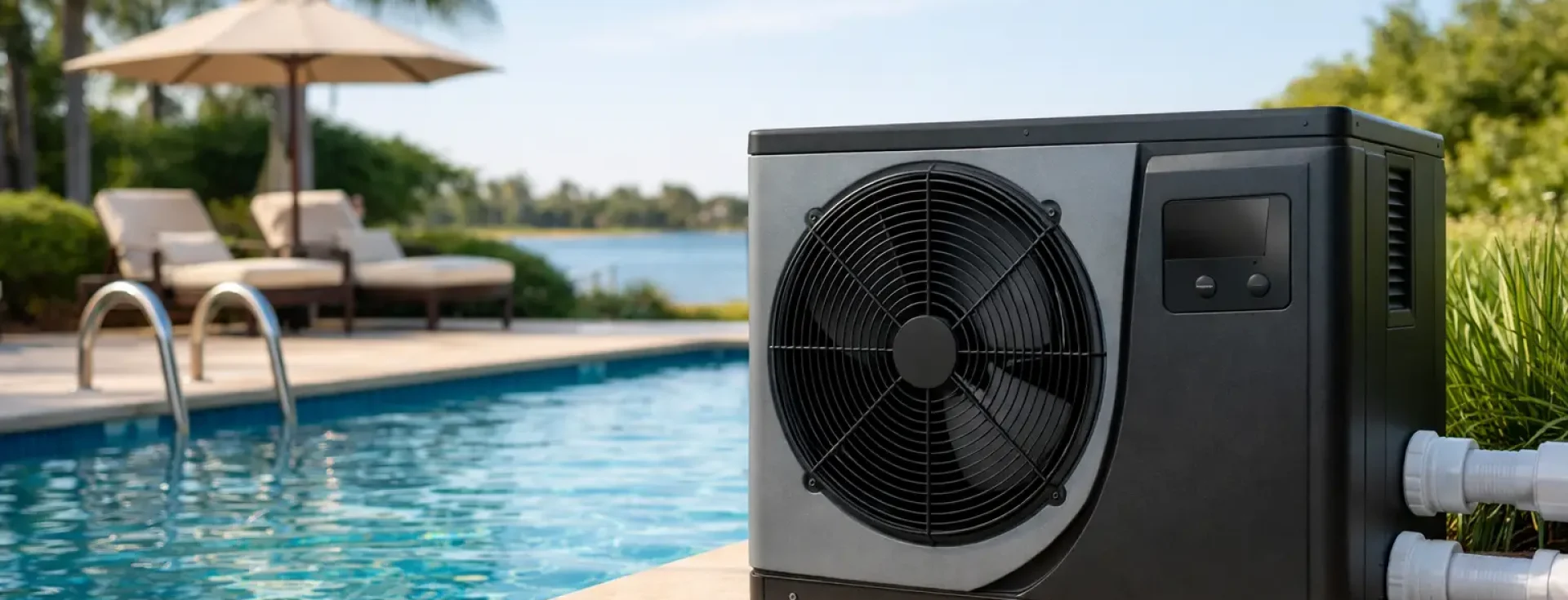
A cold pool can make even the most beautiful outdoor space feel underused. The right electric pool heater changes that quickly, giving villa owners, developers, hotels, and facility teams dependable temperature control without compromising on performance, finish, or user comfort.
In premium residential and commercial settings, pool heating is not just about making water warmer. It is about extending usability, protecting the value of the asset, and delivering a better experience for residents, guests, and end users. Whether the pool is part of a private villa, a residential tower, or a hospitality property, the heating system has to work efficiently, consistently, and with the right technical fit for the site.
Why an electric pool heater is a practical choice
An electric pool heater appeals to buyers who want precise control and straightforward operation. It is commonly selected for pools where predictable heating matters more than oversized mechanical complexity, and where property owners want a clean equipment setup that aligns with modern pool infrastructure.
For many projects, the biggest advantage is control. Electric heating systems can respond accurately to target temperatures, which helps maintain comfort across changing weather conditions or varying usage schedules. That matters in pools used in the morning, in shaded courtyards, in wellness areas, or in properties where guests expect a consistently comfortable swim.
Another advantage is installation flexibility. Compared with more fuel-dependent systems, electric options can be easier to integrate into a well-planned plant room or equipment area, especially when the site already has suitable electrical capacity. That said, the best result always depends on correct sizing, circulation compatibility, and the daily operating pattern of the pool.
Understanding how an electric pool heater fits your pool system
A pool heater never works alone. It operates as part of a wider system that includes circulation, filtration, controls, and often sanitation equipment. If one part is underspecified or poorly matched, heating performance can suffer.
That is why experienced buyers and consultants look beyond the heater itself. Pump flow rate, filter condition, pipe sizing, automation settings, and heat retention all affect real-world results. A premium heater connected to an unbalanced system will not deliver premium performance.
For residential pools, the question is often how quickly the owner wants the pool to reach the desired temperature and how often it will be used. For hotels, residential communities, and commercial properties, the focus shifts toward operational stability, repeatable performance, and lifecycle efficiency. In both cases, the heater should be selected as part of the complete aquatic system rather than as a standalone purchase.
Electric pool heater sizing matters more than most buyers expect
One of the most common mistakes is choosing a unit based on general pool size alone. Water volume is only one factor. Surface area, exposure to wind, surrounding shade, intended temperature increase, and operating hours all influence the heating load.
A compact pool with high heat loss may need more heating support than a larger but well-protected pool. Likewise, an indoor pool may have very different performance needs from an outdoor leisure pool, even if the water volume is similar.
This is where technical guidance adds real value. Correct sizing helps avoid two expensive outcomes – a heater that struggles to keep up, or a system that costs more than necessary to buy and operate. In premium projects, oversimplified selection usually creates frustration later, especially when comfort expectations are high.
Residential pools versus commercial pools
For a private villa, buyers usually prioritize quick comfort, low noise, and a neat equipment layout. For a hospitality or facility-managed property, durability and operating consistency become more important. Commercial pools also tend to face longer run hours, higher bather loads, and stricter maintenance expectations.
That means the same electric pool heater category may not suit both applications in the same way. Commercial environments often require more careful specification, stronger service planning, and closer attention to component quality.
Efficiency depends on more than the heater
Buyers often ask which heater is the most efficient. The better question is which system will perform most efficiently in the conditions of the property.
A pool that loses heat overnight through evaporation will force any heater to work harder. A pool with poor hydraulic balance may circulate water unevenly, reducing the benefit of the heating cycle. A property with no cover strategy may spend more on energy simply because the pool is constantly losing the warmth it has already paid for.
That is why serious pool planning considers insulation, covers, control settings, and circulation behavior alongside the heater itself. The most cost-effective upgrade is sometimes not just a better heater, but a better heat-retention approach.
For decision-makers managing budgets across multiple assets, this point is especially important. Lower operating waste often comes from system coordination, not marketing claims.
What to look for in a premium electric pool heater
In high-end residential and commercial projects, product quality is not a cosmetic preference. It affects service life, temperature stability, maintenance frequency, and the overall reliability of the aquatic environment.
A well-selected heater should offer durable construction, dependable controls, and compatibility with the broader pool equipment setup. It should also come from a recognized manufacturer with established quality standards and accessible technical support. For many buyers, after-sales service is just as important as the initial specification.
Control logic also deserves attention. Clear controls, accurate temperature management, and integration with automation systems can improve day-to-day usability significantly. This matters in larger properties where facility teams need simple oversight, and it matters just as much in private homes where owners want reliable comfort without constant adjustment.
The value of professional installation
Even the best heater can underperform if the installation is rushed or improvised. Electrical requirements, water flow direction, safety provisions, and system commissioning all need to be handled properly.
Professional installation reduces the risk of performance issues and protects the investment in the rest of the equipment room. It also creates a stronger foundation for future maintenance, because the system is easier to inspect, test, and service when it has been installed to a high standard from the start.
For premium projects, installation quality is part of the product value. It is not an optional extra.
Maintenance and long-term reliability
Property owners often focus on the purchase decision and overlook the maintenance reality. A heater is expected to operate consistently through changing seasons, usage peaks, and varying water conditions. That reliability depends on routine checks and a properly maintained pool system.
Water chemistry has a direct impact on component life. Poor balance can shorten the lifespan of heating elements and associated equipment. Dirty filters, inconsistent flow, and neglected controls can also reduce efficiency and increase wear.
Regular maintenance helps preserve both performance and appearance. In luxury villas, that protects the quality of the user experience. In commercial properties, it supports uptime, guest satisfaction, and smoother facilities management. Aquatic Pools and Fountains serves clients who value that full-scope approach – not just supply, but technical support and dependable ongoing service.
Is an electric pool heater right for every pool?
Not always, and that is where an honest specification process matters. Some properties need a heating solution optimized for specific run hours, load demands, or energy strategies. Others benefit from a different heat-based system depending on the pool type, the available utilities, and the owner’s operating priorities.
Still, for many residential and light commercial applications, electric heating remains a strong option because it offers controllable performance, clean integration, and consistent user comfort. The key is selecting the right product for the exact project conditions rather than choosing by price alone.
When buyers compare options, the real decision is rarely about a single box of equipment. It is about the level of comfort expected, the reliability required, and the quality standard the property is meant to represent.
Choosing with confidence
A pool heating decision should support the property for years, not just solve a short-term temperature issue. The right electric pool heater should align with the pool’s size, usage profile, equipment design, and maintenance plan, while reflecting the premium expectations of the space it serves.
For villa owners, that means more swim days and better comfort. For developers and hospitality operators, it means a stronger amenity and a more dependable aquatic environment. For facility managers, it means fewer avoidable issues and a system that performs with consistency.
If the pool matters to the property, the heater deserves the same level of attention as every other critical system. Choose accordingly, and the water will feel right when it matters most.