
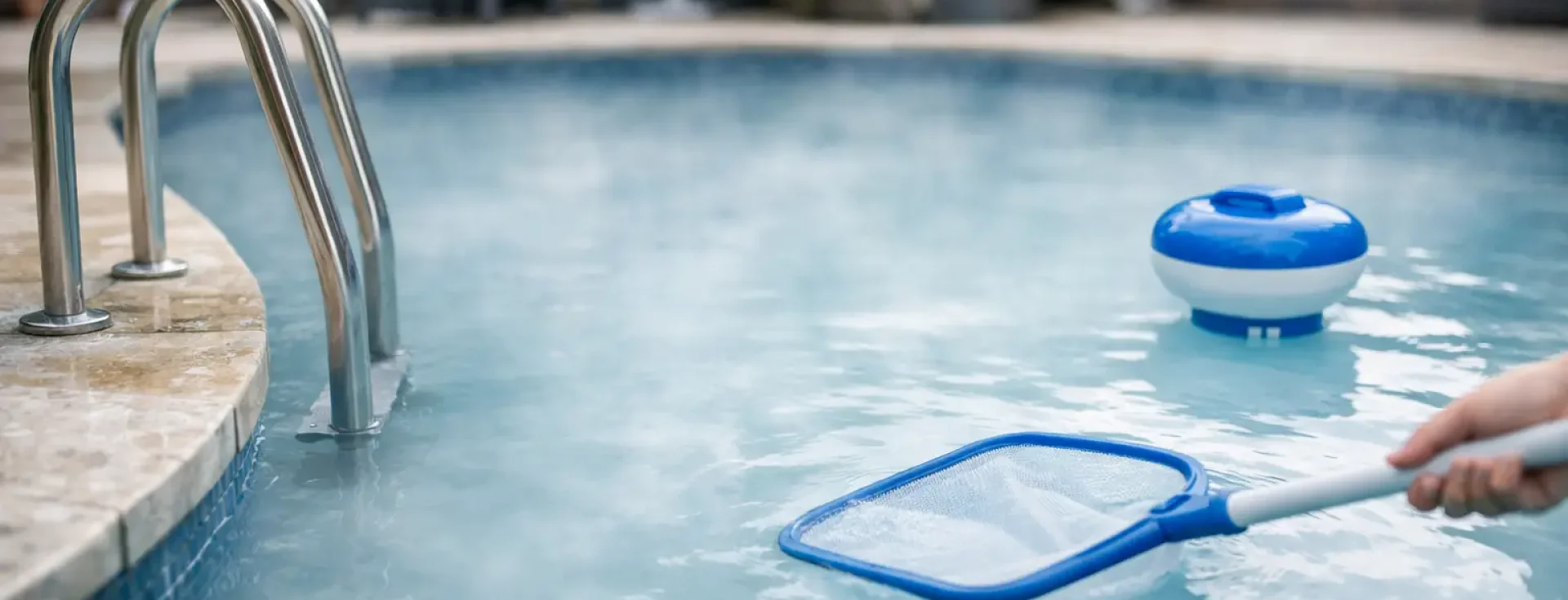
You notice it immediately. The water has lost its sharp, clean finish, the floor looks slightly blurred, and the pool no longer reflects the standard your property deserves. If you are asking why is pool water cloudy, the answer is usually not one single issue – it is a warning sign that filtration, water balance, circulation, or sanitation is no longer performing at the level it should.
Cloudy water is not just a cosmetic problem. In premium residential pools, hospitality settings, and commercial facilities, clarity is part of the experience and part of safe operation. When water turns dull or hazy, it can indicate suspended particles, chemical imbalance, algae activity, or equipment underperformance. The right response is not guesswork. It is a precise technical check.
Why Is Pool Water Cloudy in the First Place?
In most cases, cloudy water means the pool is holding fine contaminants that are not being fully removed or neutralized. These contaminants may include dust, body oils, sunscreen, organic debris, calcium particles, or early-stage algae. In the UAE, the issue can become more pronounced because heat, windblown dust, and heavy pool usage place extra pressure on sanitizing systems and filtration equipment.
Sometimes the change happens overnight. More often, it builds gradually. A pool may still look acceptable from a distance while clarity declines day by day. That is why experienced pool operators and property owners pay attention to even minor haze. Early correction is easier, faster, and more cost-effective than waiting for a full water-quality problem to develop.
The Most Common Causes of Cloudy Pool Water
Poor filtration performance
A filter system should continuously remove suspended particles from the water. If the filter is undersized, dirty, clogged, or operating inefficiently, those particles remain in circulation. Sand filters with old media, cartridge filters that need cleaning, and DE systems with maintenance issues can all contribute to cloudy water.
The pump also matters. If flow is weak because of a worn pump, blocked basket, suction issue, or valve problem, even a high-quality filter cannot perform properly. In larger villas, residential towers, and hospitality pools, incorrect run times can create the same result. The system may simply not be circulating enough water each day.
Unbalanced water chemistry
Chemical balance has a direct effect on water clarity. High pH reduces chlorine efficiency and can allow contaminants to stay active in the water. High total alkalinity can make pH harder to control. Elevated calcium hardness may cause the water to appear milky or dull, especially where evaporation rates are high and mineral concentration builds over time.
This is one of the most common reasons pool owners treat the water repeatedly without real improvement. If chemistry is off, adding more sanitizer alone will not solve the underlying issue.
Low sanitizer levels or ineffective chlorine
Cloudiness often starts when chlorine levels fall below demand. Bather load, heat, sunlight, and organic contamination can all consume sanitizer quickly. Once chlorine becomes insufficient, fine organic matter and microorganisms begin to affect clarity.
There is also a difference between chlorine being present and chlorine being effective. If pH is too high, chlorine loses much of its working strength. The test result may not look alarming, but the water can still deteriorate.
Early algae growth
A pool does not need to turn green before algae becomes a problem. In its early stages, algae can cause dullness, haze, and a slippery feel on pool surfaces. This often happens when sanitation is inconsistent or circulation leaves dead spots in corners, steps, or low-flow areas.
For premium pools, this stage is the best time to act. Once algae becomes visible, recovery takes more chemicals, more labor, and more downtime.
Environmental debris and heavy usage
Dust storms, landscaping debris, cosmetics, sunscreen, and frequent swimming all affect water clarity. Fine airborne particles are especially relevant in exposed outdoor pools. High-end pools with strong visual impact still require practical protection against local environmental conditions.
After a busy weekend or event, a pool may look hazy simply because the filtration and sanitizer system is catching up. In commercial properties, this is often a sign that operating parameters should be adjusted to match real usage rather than assumed usage.
Why Is Pool Water Cloudy After Adding Chemicals?
This is a frequent concern, and the answer depends on what was added and how the pool was balanced beforehand. Shock treatment, pH increaser, calcium-based products, and some clarifying agents can temporarily create cloudiness if they are overdosed, added too quickly, or introduced into poorly circulating water.
In other cases, chemicals reveal an existing issue rather than create one. For example, shocking the pool may oxidize contaminants and leave particles suspended until the filter removes them. Raising pH too aggressively can also cause calcium to precipitate, giving the water a cloudy appearance.
The key point is that chemical treatment should be based on testing, not estimation. Premium pool care depends on controlled dosing and reliable water analysis.
How to Fix Cloudy Pool Water Properly
The first step is testing. Water should be checked for free chlorine, combined chlorine, pH, total alkalinity, calcium hardness, and if relevant, cyanuric acid or salinity levels depending on the system. Without accurate readings, treatment becomes trial and error.
Next, inspect the equipment. Check whether the pump is running at proper flow, whether skimmer and pump baskets are blocked, and whether the filter needs backwashing, cleaning, or media replacement. Many clarity problems are rooted in mechanical performance, not just chemistry.
Then correct the chemistry in the right order. pH and alkalinity usually need attention before fine-tuning sanitizer. If chlorine demand is high, a shock treatment may be necessary. If calcium is elevated, dilution or specialized treatment may be required. If algae is suspected, brushing surfaces and using the correct algaecide or sanitizer strategy is part of the process.
Finally, give filtration time to work. Not every cloudy pool clears within hours. Some require continuous circulation over 24 to 48 hours, especially after corrective treatment. Clarifiers or flocculants can help in certain cases, but they are not universal solutions. Used incorrectly, they can make the situation worse or place extra strain on the filter system.
When Cloudy Water Signals an Equipment Problem
If water repeatedly turns cloudy even after balancing chemicals, the issue is often deeper than routine maintenance. The filtration system may be undersized for the pool volume. The pump may not be delivering the required turnover rate. Valves, laterals, seals, or automation controls may be compromising performance.
This matters even more in luxury residential and commercial environments where the pool is expected to maintain a consistent visual standard. A technically inadequate system will keep consuming time and chemicals without delivering reliable clarity. In these cases, professional assessment is the smarter investment.
For clients managing high-spec pools, decorative water features, or demanding commercial aquatic spaces, working with a qualified supplier and service team such as Aquatic Pools and Fountains helps identify whether the problem is chemical, hydraulic, or equipment-related before it escalates.
Preventing Cloudy Water Before It Starts
The best pool water stays clear because the system is designed and maintained correctly from the beginning. That means proper pump sizing, dependable filtration, consistent sanitization, and regular water testing. It also means adjusting operation to the season, weather, and usage pattern instead of relying on fixed routines year-round.
A villa pool used occasionally will not behave like a hotel pool exposed to daily traffic. An indoor pool will not face the same dust load as an outdoor pool. A visually striking overflow pool may require tighter hydraulic control than a standard private installation. These differences matter, and premium pool care should reflect them.
Routine brushing, vacuuming, basket cleaning, and scheduled filter maintenance all support water clarity. So does proactive chemical management. Waiting until the pool looks bad is always more expensive than keeping it consistently right.
If your pool water looks dull, hazy, or milky, treat that change as a performance issue, not a minor inconvenience. Clear water is the result of quality equipment, balanced chemistry, and disciplined maintenance working together. When those elements are aligned, the pool does what it should – look exceptional, operate safely, and reflect the standard of the property around it.