
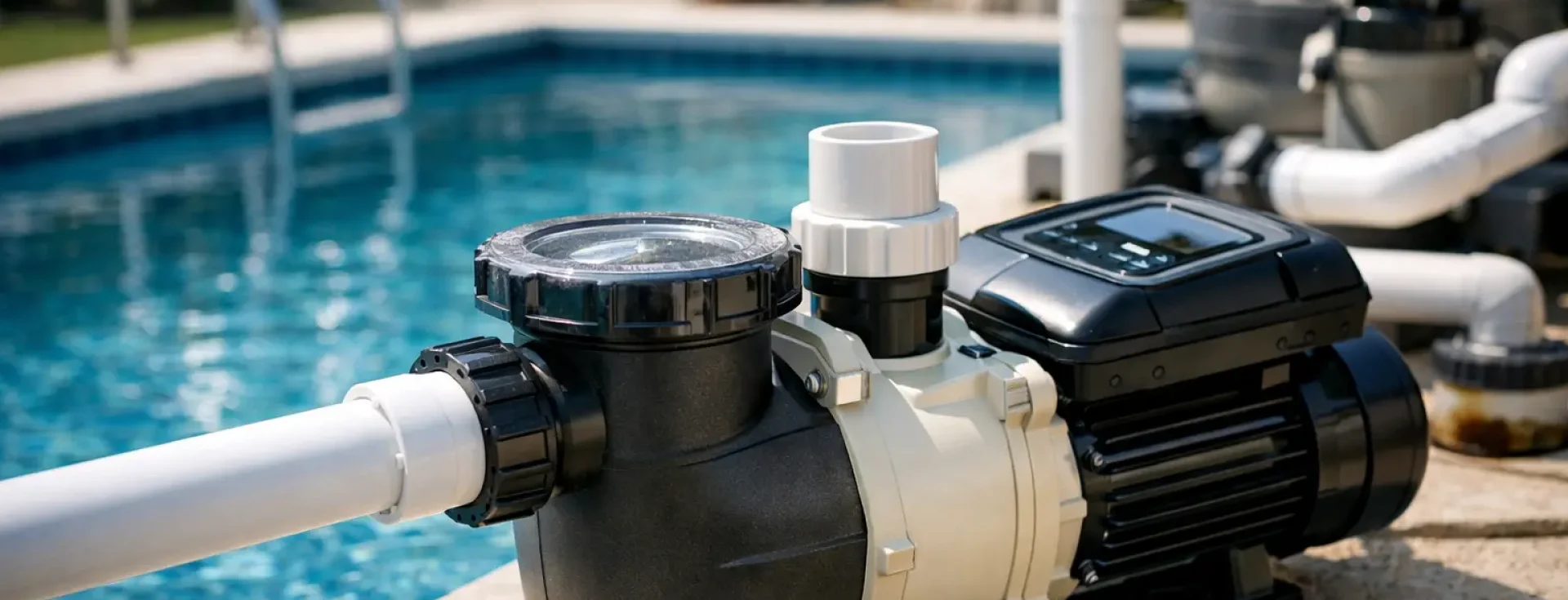
A variable speed pool pump review matters most when the old pump is too loud, power bills keep climbing, or pool circulation never feels quite right. For villa pools, hotel facilities, and commercial water features, the pump is not a background detail. It affects water clarity, operating cost, equipment life, and the daily experience of the space.
In premium pool environments, fixed-speed pumps often do one thing well – they run at full power whether the pool needs it or not. Variable speed models are built differently. They let you match motor speed to actual demand, which is where the real value begins. The right unit can lower energy use, reduce noise dramatically, and support more precise system performance across filtration, heating, water features, and sanitation.
Variable speed pool pump review: what makes it worth buying
The biggest advantage is energy efficiency. A variable speed pump can run longer at lower RPM while using far less electricity than a single-speed model. That is not just a technical claim. In properties where pumps operate daily for long hours, the cost difference becomes noticeable over time.
The second advantage is control. Instead of forcing maximum flow all day, you can schedule lower speeds for filtration, medium speeds for heating or cleaning, and higher speeds only when needed for waterfalls, spa jets, or backwashing. This flexibility is especially useful in larger pools or multi-function aquatic systems where one operating mode rarely fits everything.
Noise reduction is another major reason buyers upgrade. A quality variable speed pump operating at low or medium speed is substantially quieter than a conventional pump. For luxury villas, rooftop pools, hospitality spaces, and residential towers, this matters. Equipment should support the environment, not dominate it.
There is also a longer-term equipment benefit. Lower operating speeds can reduce strain on filters, pipework, heaters, and fittings. That does not eliminate maintenance needs, but it can contribute to a more balanced system when the pump is sized and programmed correctly.
What this variable speed pool pump review looks for
Not every variable speed pump deserves a premium label. A strong review focuses on five practical areas: motor quality, control options, hydraulic performance, build durability, and service support.
Motor quality comes first because that is where efficiency and reliability begin. A well-engineered motor should deliver stable performance across speed ranges without overheating or becoming erratic under continuous use. In hot climates, this matters even more. A pump that performs well in theory but struggles under high ambient temperatures is not the right investment.
Control options are often overlooked until the system is installed. Some pumps offer simple onboard programming. Others integrate with automation panels, timers, and smart pool controls. For residential buyers, ease of use is essential. For facility managers and commercial operators, precise scheduling and compatibility with broader plant systems are often more important than consumer-style app features.
Hydraulic performance is where marketing claims need careful reading. High horsepower does not always mean better circulation. A premium variable speed pump should deliver efficient flow across different operational demands, not just look impressive on a specification sheet. If the pump is mismatched to pipe size, filter type, or pool volume, performance will suffer.
Build durability is equally important. Materials, seal quality, housing design, and corrosion resistance all matter in demanding pool environments. Chlorinated systems, saline pools, and decorative water features place different stresses on equipment. A pump should be selected for the actual application, not just the catalog category.
Service support can decide whether a good product stays a good investment. Spare parts availability, technical backup, and installation quality all affect long-term satisfaction. This is one reason many serious buyers prefer working with a technical supplier rather than purchasing on price alone.
Where variable speed pumps perform best
For private villa pools, variable speed pumps are usually an easy upgrade case. Owners want quieter operation, lower utility costs, and cleaner water without constant manual adjustment. In this setting, the pump earns its value through comfort as much as performance.
For hospitality and commercial properties, the case is slightly different. The savings can be larger because operating hours are longer, but the system demands are also more complex. A commercial pool may need dependable turnover rates, coordination with heating systems, and consistent water quality under heavy use. Here, the pump must be part of a properly engineered equipment package.
Decorative fountains and mixed-use aquatic installations can also benefit, although the decision depends on the design intent. If the feature requires one fixed visual effect at a constant flow rate, the gains may be more limited. If usage patterns change by time of day or operating schedule, variable speed control becomes more valuable.
Common trade-offs buyers should understand
The most obvious trade-off is upfront cost. A variable speed pump typically costs more than a single-speed model. If the pool is very small, used infrequently, or already has minimal run hours, the payback period may be longer. That does not make the upgrade a poor choice, but it does mean the financial case varies by property.
Programming is another factor. A variable speed pump only performs as well as its setup. If speeds are poorly configured, you may not get the expected savings or circulation quality. This is where professional commissioning becomes valuable. A premium product still needs proper calibration.
There is also the issue of oversizing. Many buyers assume more power is safer. In practice, an oversized pump can create inefficiency, noise at higher settings, and unnecessary stress on the system. The goal is not to buy the biggest pump. It is to buy the right pump for the hydraulic conditions of the pool.
How to judge pump quality before you buy
Start with the application. Is the pump for a residential pool, a commercial facility, a spa circuit, or a fountain feature? Then look at flow requirements, pipe layout, filter size, and any connected equipment such as heaters, chlorinators, cleaners, or water features.
Next, consider how the pool is actually used. A family pool with quiet daily filtration needs a different operating profile than a hotel pool with long run times and heavier bather load. This is where a technical review becomes more valuable than a generic product ranking.
Pay attention to user interface quality. Controls should be clear, dependable, and practical for the people who will use them. A complicated panel may impress at first glance but become frustrating in day-to-day operation.
Then look at brand support and supplier capability. Premium equipment deserves proper installation, startup, and after-sales support. Aquatic Pools and Fountains works with buyers who need more than a box delivered to site. For luxury and commercial projects, that technical layer is often what protects the investment.
Variable speed pool pump review for UAE-style operating demands
In high-temperature environments, pools often run for long periods and equipment rooms can become challenging spaces. That means cooling, motor durability, and stable performance are not side notes. They are part of the buying decision.
For buyers managing villas, towers, hotels, and larger real estate assets, efficiency should be considered alongside reliability. A lower energy bill is valuable, but not if service interruptions or weak circulation create water quality issues. The best variable speed pump is the one that balances both.
This is why premium buyers tend to favor proven models from established manufacturers rather than choosing on price alone. A pump should support the broader goal: clear water, quiet operation, dependable circulation, and a polished ownership experience.
Final verdict
A strong variable speed pool pump is rarely the cheapest option, but it is often the smartest one for properties that prioritize performance, efficiency, and long-term value. When selected correctly, it delivers quieter operation, better control, and measurable savings without compromising water quality.
If you are comparing options, focus less on headline horsepower and more on proper sizing, control quality, and technical support. The right pump should fit the system, the property, and the standard of finish you expect. That is where a good purchase becomes a lasting upgrade.