A pool can look flawless on the surface and still carry a serious safety risk below the waterline. That is why pool drain cover requirements deserve close attention from villa owners, developers, facility managers, and hospitality operators alike. The right drain cover is not a finishing accessory. It is a core safety component that affects swimmer protection, code compliance, hydraulic performance, and the long-term reliability of the entire circulation system.
Why pool drain cover requirements matter
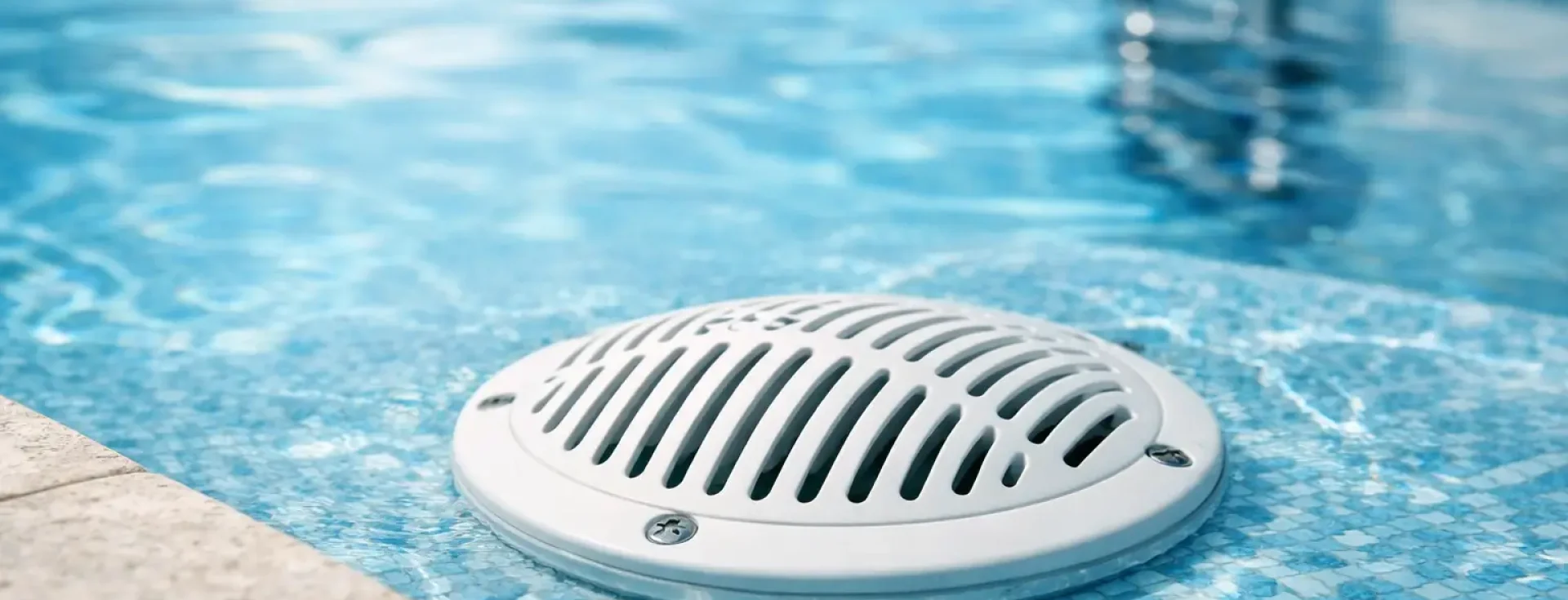
Drain covers are designed to prevent body, limb, hair, and mechanical entrapment at suction outlets. When a drain cover is damaged, improperly sized, missing, or installed on a system it was not rated for, the risk changes immediately from a maintenance issue to a life-safety issue. For premium residential and commercial pools, this is not an area where approximation is acceptable.
There is also a performance side to the issue. A properly selected cover supports the designed flow rate of the pool system, helps maintain circulation efficiency, and reduces the chance of failures caused by stress, cracking, or debris loading. In high-end installations, aesthetics matter, but safety certification and hydraulic compatibility come first.
The core standard behind drain cover compliance
In the U.S. market, pool drain cover requirements are closely tied to anti-entrapment safety standards developed for suction outlet fittings and related systems. Most professionals evaluate drain covers based on whether they are tested and rated for the intended application, including flow capacity, sump configuration, and installation environment.
That means a drain cover should never be chosen simply because it matches the shape or diameter of an older part. Two covers may look nearly identical while having very different ratings. The approved use depends on factors such as wall or floor placement, single or multiple drain configuration, operating flow, and the specific body or sump it is designed to fit.
For commercial properties, the review process is typically stricter because operator liability is higher and inspection standards are more demanding. For luxury homes, the same discipline is still wise. A private pool may have fewer users, but the consequences of a noncompliant drain are no less serious.
What a compliant drain cover usually needs to include
A compliant drain cover is typically identified by clear manufacturer markings and technical documentation. This usually includes the model reference, flow rating, life span or replacement interval, installation instructions, and the sump or frame compatibility details. If that information is missing or no longer legible, the cover should be treated with caution.
Material quality also matters. Pool drain covers operate in a harsh environment with chemical exposure, UV stress, temperature variation, and constant hydraulic load. Inferior plastic becomes brittle. Fasteners corrode. Mounting points weaken. In premium pools and demanding commercial environments, durability is part of compliance because a cover that fails early becomes a safety hazard regardless of how it was rated on day one.
Anti-entrapment design is another requirement that cannot be overlooked. Modern drain covers are shaped to minimize concentrated suction and discourage blockage by the body or hair. Older flat or poorly vented designs may not meet current expectations, even if they were common in previous installations.
Sizing and flow rating are where mistakes happen
One of the most common problems in the field is treating drain cover replacement as a simple dimensions exercise. It is not enough to measure the visible grate and order a similar size. The flow rating of the cover must match or exceed the system demand under the actual installation conditions.
If the pump and piping configuration can move more water than the cover is rated to handle, the system is unsafe. If the cover is installed on the wrong sump depth or body type, the tested performance may no longer apply. If a single outlet is being used where a split suction design was intended, the risk profile changes again.
This is why serious projects require hydraulic review rather than visual matching. For a villa pool, this may involve verifying the suction line layout, pump output, and original drain body dimensions. For hotels, towers, and commercial leisure facilities, it usually means a broader inspection of the circulation system, bather load expectations, and maintenance history.
Floor drains, wall drains, and unblockable outlets
Not all suction outlets are governed by the same practical considerations. Floor drains are often the first focus because they are more likely to create direct body contact scenarios. Wall drains may be used in some designs and can reduce certain risks depending on their configuration. Large unblockable outlets are another category and may be treated differently because their size changes the entrapment potential.
Still, no category should be assumed safe by default. The actual requirement depends on design details, placement, and certification. A large outlet installed incorrectly can still create problems. A wall fitting with the wrong cover can still be noncompliant. Good engineering always wins over assumptions.
Replacement timing is not optional
Drain covers are not permanent components. Manufacturers typically assign a service life, and that replacement timeline matters. UV exposure, pool chemicals, thermal cycling, and physical wear gradually degrade the part even when no damage is obvious. Hairline cracks, warped surfaces, missing screws, and loose seating are all warning signs that replacement should happen immediately.
Many property owners focus on pumps, lights, and tiles because those are more visible. Yet a drain cover past its rated life is a much more urgent issue than many cosmetic defects. In high-value properties, preventive replacement is the smart position. It protects swimmers, reduces liability, and avoids the cost of emergency shutdowns or corrective work later.
Installation quality affects compliance
Even the best drain cover can become unsafe if it is installed incorrectly. Fastener type, torque, sump condition, frame integrity, and cover orientation all matter. If the original drain body is cracked, stripped, or incompatible with the new cover, simply tightening the screws and walking away is not a proper solution.
Retrofit work deserves particular care. Older pools may have drain sumps that do not align with current replacement options, and forced substitutions can create hidden risk. In these cases, a more complete outlet assembly upgrade may be the right answer rather than trying to preserve outdated hardware.
For commercial operators and developers, documentation is part of good practice. Keeping records of model numbers, installation dates, and replacement schedules makes future inspections much easier and supports a more controlled maintenance strategy.
Residential and commercial expectations are not identical
The principle is the same across all projects: protect bathers and match the cover to the system. The practical standard, however, often becomes more demanding in commercial environments. Hotels, shared residential amenities, schools, wellness facilities, and public-use pools usually face tighter scrutiny because usage volume is higher and operator responsibility is broader.
Luxury residential pools still benefit from that same level of discipline. Premium property owners are investing in performance, finish quality, and long-term asset value. A drain cover chosen without technical verification does not align with that standard. The best results come from treating every pool as a professional installation, not a simple backyard fixture.
What buyers should ask before approving a drain cover
Before purchasing or replacing a drain cover, the right questions can prevent expensive mistakes. Ask whether the cover is rated for the required flow, whether it matches the exact sump or body, whether it is approved for wall or floor use as needed, and what its service life is. Also confirm whether the existing system uses single or multiple suction outlets and whether any broader anti-entrapment measures should be reviewed at the same time.
This is where experienced technical support makes a clear difference. Aquatic Pools and Fountains works with premium aquatic installations where safety, finish quality, and durability all need to perform together. On serious projects, product supply alone is not enough. The better approach is combining the right component with proper technical review, installation standards, and ongoing maintenance planning.
A better standard for every pool
Pool drain cover requirements are ultimately about respecting the fact that small components can carry major consequences. A drain cover should be correctly rated, properly installed, regularly inspected, and replaced before age or damage compromises safety. That applies whether the project is a private villa retreat or a high-traffic commercial facility.
If there is any uncertainty about a drain cover’s rating, age, fit, or condition, that uncertainty should be resolved before the pool returns to service. In premium aquatic environments, the right standard is simple: every visible detail should look exceptional, and every hidden safety component should perform exactly as intended.