
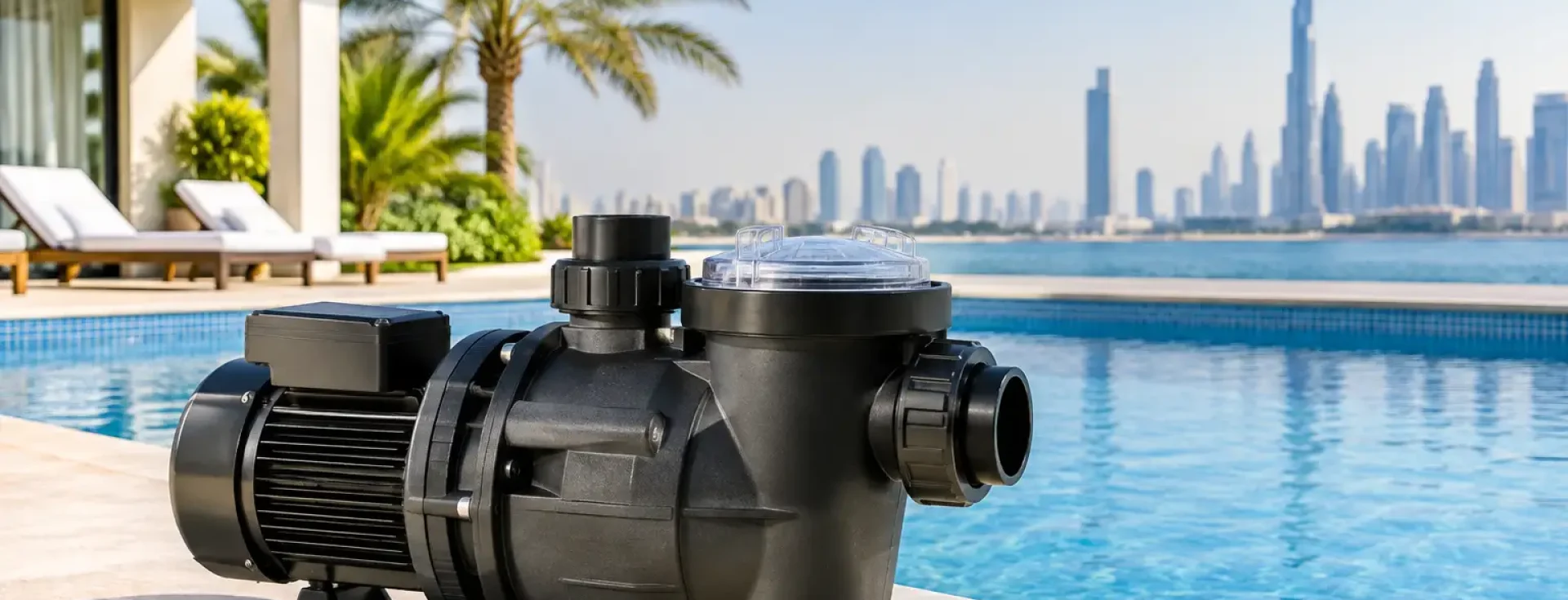
A pool can have exceptional tile, lighting, and water features, yet still disappoint if circulation is poorly designed. Astral pumps are a strong consideration for owners and project teams that expect consistent water movement, dependable filtration support, and equipment suited to premium residential and commercial environments. The right pump selection protects water quality, supports visual clarity, and helps the entire hydraulic system perform as intended.
For villas, hospitality properties, residential towers, and commercial facilities across the UAE, choosing a pump is not simply a matter of selecting the highest horsepower model available. The pump must suit the pool volume, pipework, filtration equipment, water features, operating hours, and practical maintenance plan. A properly specified solution delivers better long-term value than an oversized unit that consumes unnecessary energy or a smaller model that cannot maintain effective circulation.
Why Astral Pumps Matter to Pool Performance
The pump is the working center of a swimming pool circulation system. It draws water through skimmers and main drains, pushes it through the filter and treatment equipment, then returns clean water to the pool through the inlet system. When circulation is correctly balanced, filtration and disinfection can work efficiently. When it is not, operators may face cloudy water, uneven chemical distribution, higher operating costs, and avoidable strain on equipment.
Astral pumps are commonly specified for projects where quality, compatibility, and dependable day-to-day operation are priorities. Their suitability depends on the specific model and application, but the broader value lies in selecting a pump within a complete, professionally designed system rather than treating it as an isolated component.
This is especially relevant in the UAE. High ambient temperatures, extended pool-use seasons, airborne dust, and demanding operating schedules can place more pressure on pool equipment. For a luxury villa, the goal may be quiet performance and low visual impact. For a hotel or residential development, the priority may be sustained circulation, service accessibility, and predictable maintenance across multiple pools. The best solution changes with the project.
How to Choose Astral Pumps for Your Pool
Pump selection should begin with hydraulic requirements, not product appearance or motor size alone. A technical assessment considers how much water the pool holds and how quickly the system needs to turn over that volume. Turnover refers to the time needed for the pump and filter system to circulate the full pool volume. The appropriate turnover target depends on pool use, local requirements, bather load, and the wider treatment design.
A small private pool with limited daily use will have different requirements from a heavily used hotel pool. Similarly, a decorative pool or fountain may need equipment selected around visual flow, nozzle pressure, and feature timing rather than conventional swimming-pool turnover alone.
Match Flow Rate to the Full System
A pump should provide the required flow rate at the actual resistance level of the system. That resistance is influenced by pipe diameter, pipe length, bends, valves, elevation changes, filters, heaters or heat pumps, chlorinators, UV equipment, and water features. This is often described as total dynamic head.
Two pools with the same volume can require very different pumps. A compact villa pool with short pipe runs may operate efficiently with a modestly sized unit. A large rooftop pool, an infinity-edge installation, or a pool with multiple spa jets and water features may require a more detailed hydraulic calculation. Selecting only by horsepower can create costly mistakes because horsepower does not show how the pump will perform against system resistance.
Consider Variable-Speed Operation
Variable-speed pump options can be an excellent choice where energy management and quieter operation matter. Instead of operating at one fixed speed throughout the day, a variable-speed pump can run at lower speeds for routine filtration and increase when higher flow is required for cleaning, heating, backwashing, or water features.
The trade-off is a higher initial equipment cost and the need for correct programming. The benefit can be significant over time, particularly for pools that run long daily filtration cycles. For hospitality sites, villas with frequent use, and properties with multiple aquatic assets, this operating flexibility can support lower energy consumption without compromising water circulation.
Fixed-speed pumps may still be appropriate for certain applications, particularly where duty cycles are straightforward, budgets are tightly controlled, or the hydraulic design calls for a consistent operating point. The decision should be based on operating requirements and lifecycle value, not on a one-size-fits-all preference.
Account for Filtration and Water Treatment
The pump and filter must work together. A pump that pushes more water than the filter is designed to handle can reduce filtration effectiveness, increase pressure, and place unnecessary strain on the system. Conversely, insufficient flow may leave the filter underutilized and make it difficult to achieve the required circulation rate.
The same coordination applies to salt chlorinators, dosing systems, heaters, heat-cool pumps, UV units, and automatic cleaners. Premium pool performance comes from compatible equipment selected as one package. This is where experienced technical guidance is valuable: it helps ensure that each component supports the capacity and operating range of the others.
Installation Details That Protect Reliability
Even high-quality equipment can underperform when installation standards are overlooked. The pump should be installed on a stable, level base with appropriate ventilation and access for future inspection. Pipework must be correctly sized, aligned, and supported to reduce vibration and avoid excessive stress at connection points.
A well-planned pump room also makes maintenance easier. Technicians need adequate space to access baskets, unions, valves, filters, control panels, and treatment equipment safely. In premium properties, a clean and organized plant room is not merely an aesthetic detail. It helps service teams identify issues quickly and maintain the system with less disruption.
Electrical protection and controls deserve equal attention. Pumps should be connected and protected according to the project’s electrical design and applicable standards. Timers, automation panels, and speed controls should reflect the actual use of the pool. For example, a pool that hosts evening events may need a different operating schedule than a private pool used primarily in the morning.
For installations exposed to high heat or outdoor conditions, equipment placement and protection should be considered carefully. Direct sunlight, poor ventilation, and accumulated dust can affect performance and service life. A professional site assessment can identify these risks before they become expensive operational problems.
Maintenance Practices for Longer Pump Life
A pump performs best when the wider pool is maintained correctly. The strainer basket should be checked regularly, particularly after windy conditions or periods of heavy use. A blocked basket restricts water flow and can force the pump to work harder than necessary.
Filter maintenance is equally important. Whether the system uses a sand, glass media, or cartridge filter, cleaning or backwashing should follow the filter’s pressure readings and maintenance needs rather than an arbitrary schedule. Excessive backwashing wastes water, while delayed cleaning can reduce circulation and increase load on the pump.
Facility managers should also monitor unusual noise, leaks, vibration, reduced return flow, and unexpected pressure changes. These signs do not always mean the pump has failed. The cause may be a blocked suction line, a valve position, air entering the system, a dirty filter, or an issue elsewhere in the circulation network. Early inspection is usually less costly than waiting for a full shutdown.
For commercial pools and high-value residences, planned maintenance provides greater control. Regular technical visits allow pump performance, electrical connections, seals, valves, water balance, and filtration pressure to be assessed before a minor issue affects guest experience or property operations.
A Better Approach for Villas, Hotels, and Developers
Premium aquatic projects require more than a quality pump brand. They require correct sizing, compatible filtration, competent installation, and accessible ongoing support. For developers, this approach reduces handover concerns and helps protect the value of the finished asset. For villa owners, it means clearer water, quieter operation, and less uncertainty around equipment decisions. For hotels and facility managers, it supports reliable service in environments where downtime is highly visible.
Aquatic Pools and Fountains supports this full-scope approach with pool equipment supply, technical guidance, installation support, and maintenance services for demanding UAE projects. A detailed review of pool volume, pipework, filtration, features, and operating expectations makes it possible to recommend equipment that is suited to the site rather than simply available in stock.
A pump room should never be an afterthought hidden behind a finished pool. Give it the same attention as the tile, lighting, and water features, and your Astral pump selection can help deliver the clean, composed, and dependable aquatic environment your property deserves.