
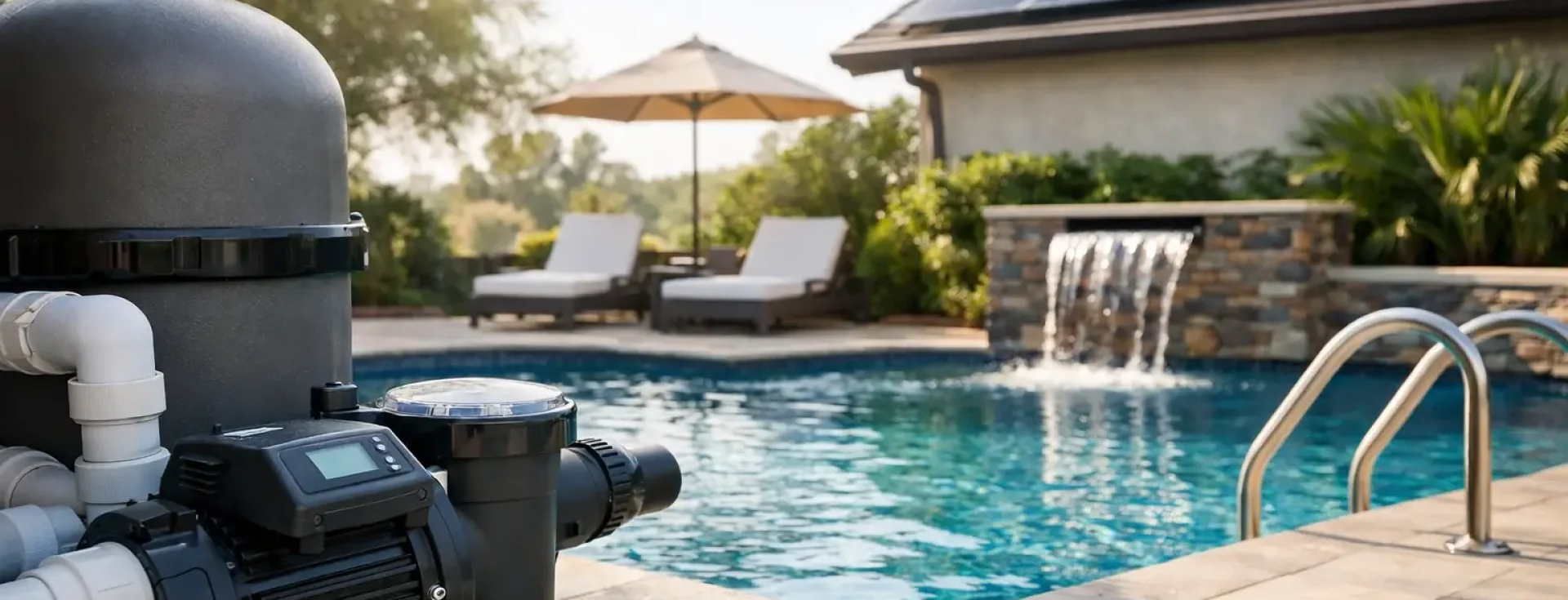
Running a pool in the UAE is not a small utility line item. Between long swim seasons, high ambient temperatures, and the need to keep water clean, clear, and comfortable, energy use adds up quickly. That is exactly why energy efficient pool systems have moved from a nice upgrade to a smart specification for villas, hospitality projects, residential developments, and commercial facilities.
For premium properties, efficiency is not only about reducing monthly costs. It is also about protecting equipment life, maintaining stable water quality, and choosing systems that perform well under demanding conditions. The right setup creates a pool that looks refined, operates quietly, and works with less waste across every major component.
What energy efficient pool systems actually include
A high-performing pool does not become efficient because of one product alone. It happens when pumps, filtration, heating or cooling, lighting, disinfection, and controls are selected as a complete operating system. If one component is oversized, outdated, or poorly matched, the entire installation can consume more power than necessary.
In practical terms, energy efficient pool systems usually begin with circulation. A modern variable-speed pump can dramatically reduce electricity use compared with a traditional single-speed model because it can run at lower speeds for longer periods rather than pushing maximum output all day. That matters because pool pumps are often one of the biggest ongoing energy consumers in any aquatic installation.
Filtration also plays a major role. Efficient filters reduce hydraulic resistance, support better water clarity, and help pumps operate with less strain. Pair that with correctly sized pipework, quality fittings, and well-planned circulation, and the system works with the property rather than against it.
Then there is temperature control. In the UAE, many pools require cooling during the hottest months, while some indoor or premium outdoor pools may also need controlled heating in winter. Heat-cool pumps are often a more efficient choice than older heating methods because they transfer heat rather than generating it in a more wasteful way.
Why the UAE market demands a smarter approach
Dubai and the wider UAE place different demands on pool equipment than cooler climates. Long operating hours, high evaporation, elevated dust levels, and constant exposure to heat all increase the workload on pumps, filters, and sanitation systems. An energy-saving claim that sounds good on paper may not deliver much in real-world local conditions if the system is not engineered properly.
This is where specification matters. A villa pool has very different operating patterns from a hotel pool, and a rooftop feature pool is not the same as a large community installation. Commercial projects often require stronger turnover performance, tighter water-quality control, and longer daily runtime. Residential clients may prioritize low noise, elegant integration, and reliable comfort with minimal intervention.
The best energy efficient pool systems are built around actual usage, bather load, design intent, and maintenance expectations. That is the difference between buying equipment and building a dependable solution.
The components that make the biggest difference
Variable-speed pumps
If there is one upgrade that consistently changes operating cost, it is the pump. Variable-speed technology allows flow rates to be adjusted throughout the day based on the pool’s real needs. Lower speeds use significantly less power, and they also reduce wear on equipment, decrease noise, and support steadier filtration.
The trade-off is upfront cost. A premium variable-speed pump costs more than a basic model. But on properties with frequent pool use, the long-term savings and quieter performance usually justify the investment.
High-efficiency filtration
A quality filtration system supports both efficiency and water appearance. When filters are properly matched to the pool size and circulation rate, they capture contaminants effectively without forcing the pump to work harder than necessary. This improves clarity and can reduce stress across the system.
The right choice depends on the project. Some sites prioritize easy maintenance access. Others need stronger performance for heavy bather loads. The key is avoiding undersized or mismatched filtration that creates chronic pressure problems and rising utility costs.
Heat-cool pumps
Temperature management can become one of the largest operating expenses in premium pool environments. Heat-cool pumps offer a strong balance of performance and control, especially for clients who want usable water temperatures across more of the year.
They are not identical in performance across all conditions, though. Equipment quality, installation method, ambient temperature, and ventilation all affect efficiency. A properly selected unit will outperform a cheaper alternative that was never sized correctly for the site.
LED lighting and smarter controls
Pool lighting is a smaller energy category than pumping or temperature control, but it still matters, especially in high-end properties where visual presentation is part of the experience. LED pool lights consume less power, last longer, and offer cleaner illumination than older technologies.
Add automated controls and timers, and the system becomes even more efficient. Pumps can run at different speeds for different tasks, lighting can follow schedules, and water treatment can be better coordinated with circulation. Automation does not replace good maintenance, but it does reduce waste caused by inconsistent operation.
Advanced disinfection systems
Efficient pool operation is not only electrical. Chemical efficiency matters too. Well-designed disinfection systems, including modern dosing and water testing solutions, help maintain stable water quality without overcorrection. That means better swimmer comfort, less chemical fluctuation, and less strain on surfaces and equipment.
For commercial and hospitality properties, precise water treatment is especially valuable. It protects the guest experience while supporting more consistent compliance and maintenance standards.
Design mistakes that raise costs over time
Many pools consume too much energy because of decisions made at the design or procurement stage. Oversized pumps are a common example. Bigger is not automatically better. A pump that is too powerful for the hydraulic design can waste electricity, create unnecessary noise, and reduce system balance.
Poor pipe sizing is another issue. Restrictive pipework increases resistance, which forces the pump to work harder. Low-grade fittings, weak valves, and poorly planned equipment placement also reduce efficiency over time.
Another frequent problem is fragmented sourcing. When equipment is selected from multiple places without technical coordination, compatibility issues are more likely. The result can be higher installation complexity, weaker performance, and more difficult maintenance later.
That is why experienced technical guidance matters. For premium residential and commercial projects, system efficiency should be considered from the beginning, not added as an afterthought after the build is complete.
Residential vs. commercial priorities
Homeowners often focus first on monthly savings, quiet operation, and ease of use. Those are valid priorities, particularly for luxury villas where the pool is part of a polished outdoor environment. In these cases, compact equipment layouts, discreet controls, and dependable automation often matter as much as raw performance numbers.
Commercial buyers and facility managers usually work from a broader performance framework. They need long-term reliability, parts availability, consistent water quality, and systems that can handle extended operating hours. Energy efficiency is still essential, but it has to come with serviceability and operational resilience.
This is where a premium supplier and service partner adds value. The goal is not simply to sell a pump, filter, or heat-cool unit. It is to specify components that work together, are supported by proper stock and technical knowledge, and can be maintained professionally over time.
Why maintenance is part of efficiency
Even the best equipment will lose efficiency if maintenance is neglected. Dirty filters, unbalanced water chemistry, blocked baskets, scale buildup, and worn seals all push systems to work harder. Energy use rises while performance falls.
Routine servicing protects the original value of the installation. It also helps identify issues early, before they become expensive failures. For high-end residential pools and heavily used commercial facilities, preventive maintenance is one of the simplest ways to protect both operating cost and water quality.
Aquatic Pools and Fountains works with clients who expect more than basic supply. They want premium equipment, technical confidence, and support that keeps the system performing to the standard the property deserves.
Choosing the right energy efficient pool systems
The right specification depends on the pool’s size, usage pattern, design features, and operational goals. A decorative residential pool may benefit most from low-noise circulation, LED lighting, and compact automation. A hotel or residential tower may need stronger filtration, advanced dosing, and heat-cool performance that can handle constant demand.
What matters most is choosing equipment with a long view. Lower operating cost is valuable, but so are durability, service access, brand quality, and the ability to maintain elegant performance year after year. Cheap equipment can reduce purchase price and still cost far more over the life of the installation.
A well-specified pool should look exceptional, feel comfortable, and operate with discipline in the background. When energy efficiency is built into the system from the start, the result is not only lower utility consumption. It is a smarter, more refined aquatic environment that performs like a premium asset should.