
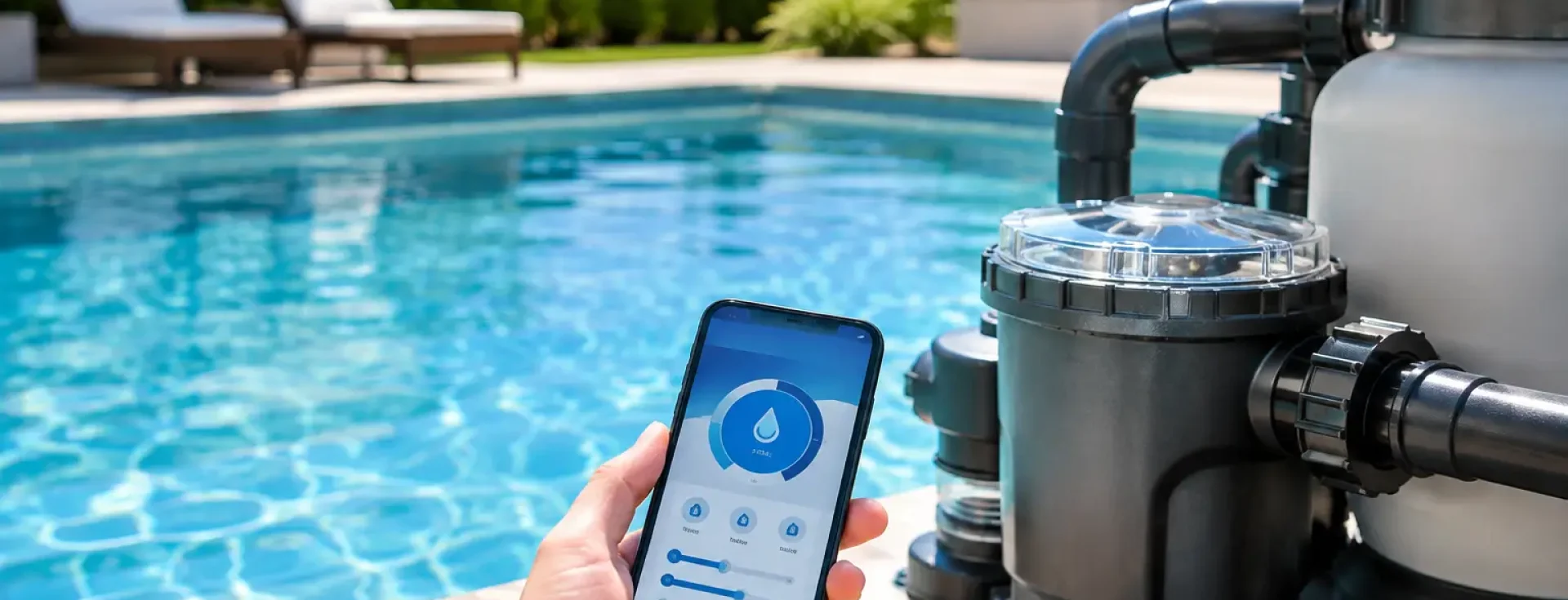
A premium pool should look effortless: clear water, a comfortable temperature, quiet circulation, and lighting that enhances the property after sunset. Achieving that standard is not a matter of adding one impressive feature. Modern pool technology is a coordinated system of circulation, filtration, treatment, automation, heating, and lighting designed around how the pool will actually be used.
For villa owners, developers, hotels, and facility managers, the right equipment selection protects more than visual appeal. It reduces unnecessary operating costs, helps preserve finishes and equipment, supports safer water conditions, and makes daily management far more predictable. The best result comes from planning the technical system early, then matching each component to the pool’s size, bather load, design, and local operating conditions.
Why pool technology is now a property decision
A swimming pool is one of the most visible assets in a luxury property. When water becomes cloudy, equipment runs loudly, or temperatures fluctuate, occupants notice immediately. In a hospitality setting, that experience can affect guest perception. In a residential development, it can affect the perceived quality of the entire amenity offering.
Technology allows the pool to perform as intended without constant manual intervention. Variable-speed pumps adjust circulation more efficiently than traditional single-speed models. Automated disinfection can maintain more consistent sanitizer levels. Heat-cool pumps extend comfortable swimming conditions through changing seasons. Integrated controls give owners and operators a clearer view of what is happening across the system.
That does not mean every project needs every available feature. A compact private pool may benefit most from efficient circulation, dependable filtration, and simple app-based control. A hotel, residential tower, or high-use leisure facility may require commercial-grade filtration, automated chemical dosing, multi-pump redundancy, remote monitoring, and carefully designed water turnover rates. The right specification depends on the operational demand, not just the initial budget.
The core systems behind reliable water quality
Water quality starts in the plant room. Decorative finishes, elegant tiles, and premium pool furniture matter, but none can compensate for a poorly designed circulation and treatment system.
Pumps and circulation
The pump is the working center of the pool. It moves water through skimmers, main drains, filters, heaters, sanitizing equipment, and return inlets. If the pump is undersized, circulation can be weak and debris may settle in low-flow areas. If it is oversized or poorly matched to the pipework, it can create noise, waste energy, and add strain to the equipment.
Variable-speed pumps are a strong choice for many premium installations because they can run at lower speeds for routine filtration and increase output when the pool needs stronger circulation, cleaning, water-feature operation, or vacuuming. Lower-speed operation generally reduces energy use and noise. However, correct programming is essential. Running too slowly for too few hours can compromise water clarity, particularly in pools exposed to intense sun, dust, landscaping debris, or heavy use.
Filtration built for the application
Filters remove suspended debris that makes water appear dull or cloudy. Sand filters remain widely used because they are durable, practical, and well suited to many residential and commercial pools. Cartridge filters can offer fine filtration and reduced backwashing requirements, while glass media can improve filtration performance in systems designed for it.
There is no universal best filter. Sand-based systems can be especially practical for larger pools and demanding environments because they are durable and easy to service. Cartridge systems can be attractive where water conservation is a priority, but they require regular cleaning and a disciplined maintenance program. A professional equipment assessment should consider bather load, available plant room space, desired water quality, and the property’s maintenance capability.
Disinfection and water balance
Clear water is not automatically safe water. Effective pool treatment combines sanitation with properly balanced pH, alkalinity, calcium hardness, and stabilizer levels where applicable. Chlorine systems remain a reliable standard, while salt chlorination offers a convenient method of generating chlorine on site. UV and ozone systems can support the primary sanitizer by reducing certain contaminants and improving water quality perception.
These technologies should be viewed as part of a treatment strategy, not as replacements for testing and maintenance. Salt systems still create chlorine. UV and ozone systems still require a residual sanitizer in the pool. Automated dosing can deliver consistency, but sensors must be calibrated, dosing chemicals must be handled correctly, and professional oversight remains necessary.
Smart pool technology should simplify operation
Automation has become one of the most valuable upgrades for premium aquatic environments. A centralized controller can schedule pumps, manage lighting scenes, adjust heating, activate water features, and provide alerts when operating conditions fall outside selected parameters.
For a villa owner, the appeal is convenience. The pool can be warmed before use, the lights can be set for an evening gathering, and filtration can run on a schedule without the need to manage separate switches. For facility managers, automation provides greater operational discipline. It can reduce reliance on manual routines and make it easier to identify an issue before it becomes a guest-facing problem.
Remote access is useful, but it should not be mistaken for a maintenance substitute. A control app can show a temperature reading or allow a pump schedule adjustment. It cannot inspect a worn seal, clean a clogged basket, or confirm that a chemical sensor is reading accurately. The most dependable properties use smart controls alongside planned on-site service.
Heating, cooling, and comfort in demanding climates
Water temperature has a direct effect on whether a pool is used or ignored. Heat-cool pumps are particularly valuable in regions where temperatures can vary sharply between seasons or where summer water temperatures become uncomfortably high. They help create a more controlled swimming experience while offering greater efficiency than many conventional heating approaches.
Sizing matters here as much as technology choice. A heat-cool pump should be selected based on pool volume, desired temperature range, local ambient conditions, wind exposure, pool cover use, and operating hours. An undersized unit may run continuously without reaching the desired set point. A correctly specified unit, paired with a quality cover where appropriate, can improve comfort while limiting heat loss and avoidable energy consumption.
For commercial pools, heating and cooling requirements should also account for expected occupancy. A pool used by a few family members behaves very differently from a hotel pool with sustained daily bather load. High usage introduces more fresh water, body heat, contaminants, and evaporation, all of which affect system demand.
Lighting and water features need technical discipline
LED pool lighting has changed the visual potential of aquatic spaces. It delivers lower energy consumption, longer service life, and flexible color options when specified and installed correctly. Underwater lighting can define steps, improve nighttime safety, and give a pool a more refined architectural presence. In fountains, properly positioned lights turn moving water into a feature that remains visible and elegant after dark.
The quality of installation is as important as the fixture itself. Correct niche placement, suitable transformers, reliable connections, and accessible service routes protect performance over time. For high-visibility properties, lighting should be designed with the pool finish, surrounding architecture, and viewing angles in mind. More lights do not always create a better result. Thoughtful placement does.
Water features also require dedicated hydraulic planning. Deck jets, cascades, spouts, bubblers, and fountain nozzles can create a memorable visual statement, but they may need separate pumps, balancing valves, and filtration considerations. Features exposed to wind can increase evaporation and chemical demand. This is not a reason to avoid them. It is a reason to specify them as part of the full system rather than as a late decorative addition.
Pool technology and maintenance work together
Advanced equipment performs best when it is supported by regular, knowledgeable maintenance. Pump baskets need cleaning. Filters need inspection and service. Chemical levels need verification. Seals, valves, lights, heaters, and control systems need periodic checks before a small issue becomes an expensive interruption.
Aquatic Pools and Fountains supports premium residential and commercial projects with equipment sourcing, technical guidance, installation support, and maintenance solutions tailored to the needs of each aquatic environment. This full-scope approach matters because equipment compatibility, installation quality, and ongoing service should never be treated as separate decisions.
When evaluating an upgrade or a new installation, focus first on the desired outcome: quieter operation, lower energy use, cleaner water, easier management, improved comfort, or a more impressive visual finish. Then build the equipment package around that goal. A well-designed pool system does not demand attention every day. It gives owners and guests the confidence to simply enjoy the water.