
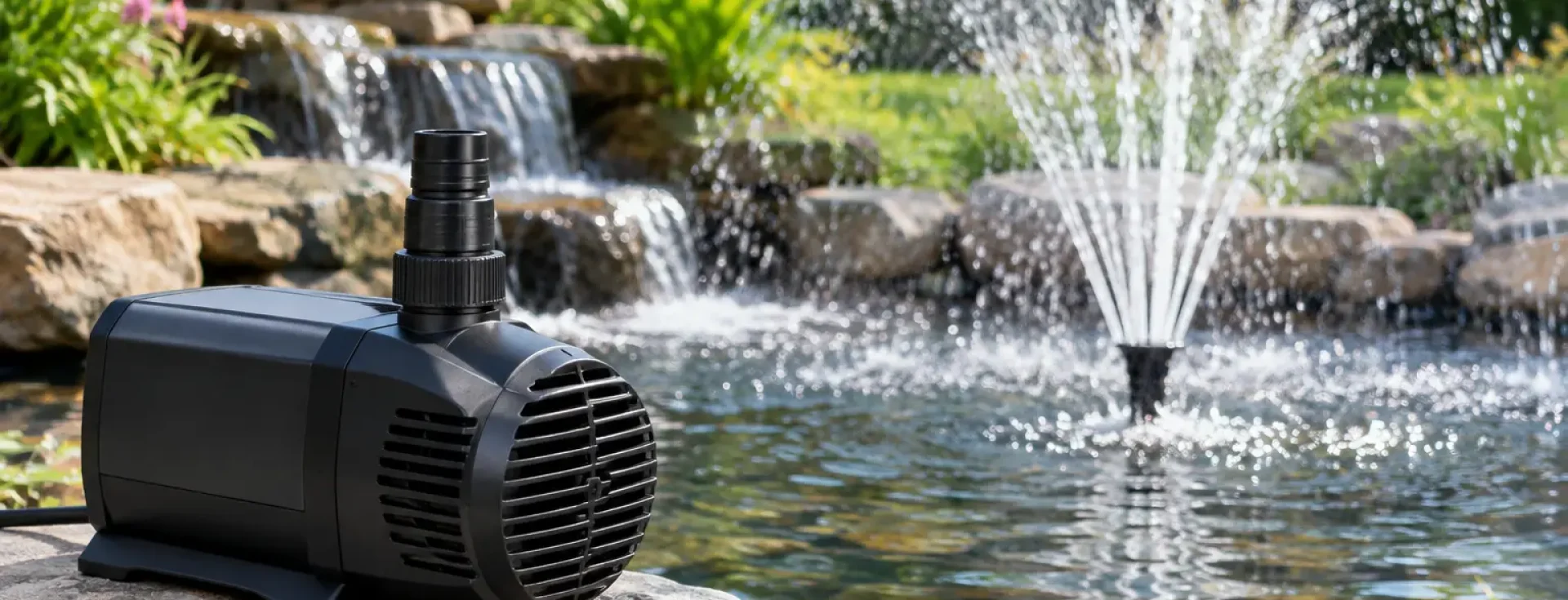
A fountain that starts strongly but loses its shape after a few hours is rarely a design issue. More often, it is a pump selection issue. SunSun fountain pumps are a practical option for decorative ponds, wall fountains, courtyard basins, and compact water features when the model is correctly matched to the feature’s water volume, lift height, and nozzle design.
For villa owners, developers, and facility teams, the pump is the working core of the installation. The visible water pattern may create the first impression, but dependable circulation, stable pressure, manageable maintenance, and safe electrical installation determine whether that impression lasts.
Why SunSun Fountain Pumps Are a Popular Choice
SunSun fountain pumps are commonly selected for decorative applications because they offer accessible flow-rate options across a broad range of compact and mid-sized water features. Many models are submersible, allowing the equipment to remain concealed within a basin or reservoir while delivering water to a fountain head, spillway, small waterfall, or circulation line.
Their appeal is straightforward: a well-matched pump can support an attractive water display without requiring oversized equipment or unnecessary operating costs. However, the right choice depends on the project. A small tabletop fountain, a landscaped pond, and a multi-tier villa entrance feature place very different demands on the pump.
For premium installations, the purchase decision should extend beyond the published maximum flow figure. The pump must maintain the desired visual effect after water travels through pipework, fittings, valves, filters, and the fountain nozzle. That is where professional selection makes a measurable difference.
Selecting SunSun Fountain Pumps by Performance
The most common mistake is choosing a pump only by gallons per hour or liters per hour. Flow rate matters, but it is only one part of the specification. A pump may move a high volume of water at basin level yet produce a weak display once it must lift water several feet and push it through narrow plumbing.
Start with the required water effect
Decide what the feature needs to do. A gentle bubbling urn requires modest circulation and a low-pressure outlet. A vertical jet needs sufficient pressure to reach a consistent height. A waterfall needs volume more than height, while a decorative pond may require both fountain circulation and basic water movement to reduce stagnant areas.
Nozzle choice changes the calculation as well. Bell, mushroom, spray, and multi-tier nozzles each create different resistance. A nozzle that looks refined at a lower flow rate can lose definition if the pump is too powerful, creating splash, overspray, and unnecessary water loss. Conversely, an undersized pump can turn an intended centerpiece into a weak trickle.
Calculate total head, not just vertical lift
Head height is the resistance a pump must overcome before water reaches the outlet. Vertical distance from the pump to the highest discharge point is the starting point, but not the full calculation. Long pipe runs, undersized pipe diameter, elbows, tees, control valves, and filtration components all reduce available performance.
For example, a pump positioned at the bottom of a fountain basin may need to lift water 5 feet to a nozzle. If the plumbing includes a long route with several bends, the effective resistance is higher than that 5-foot measurement. Reviewing the pump curve is essential because it shows how flow decreases as head increases.
A professional equipment supplier can help translate the design intent into the correct operating point. This is especially valuable for custom-built fountains where pipe routing is concealed and later changes can be disruptive or expensive.
Size plumbing to protect the display
Pipework should support the pump rather than restrict it. A small outlet connection does not automatically mean the entire system should use the smallest possible pipe. Narrow lines increase friction and can reduce water volume substantially over distance.
The best pipe diameter depends on the pump’s actual operating flow, line length, and the visual effect required. Larger plumbing can provide a more stable supply to a nozzle or waterfall, while a properly placed valve can fine-tune the final water pattern. Restricting a pump excessively is not an efficient substitute for selecting the correct model in the first place.
Installation Details That Protect Pump Life
A quality pump still needs a disciplined installation. Submersible fountain pumps should sit on a stable, clean base rather than directly in sediment. Raising the pump slightly above the floor of the basin helps prevent leaves, grit, and debris from being pulled into the intake.
The electrical connection requires equal attention. Outdoor fountain equipment should be installed with appropriate weather-protected electrical components and ground-fault protection in accordance with applicable local requirements. Cables should be protected from damage, and all connections should remain accessible for inspection and service.
Never allow a submersible pump to run dry. Water cools and lubricates many fountain pump designs. When the basin level falls below the intake, the motor can overheat or suffer premature wear. A reliable auto-fill arrangement, water-level monitoring, or scheduled inspection is particularly useful for outdoor features exposed to evaporation and wind.
Water Quality, Cleaning, and Routine Maintenance
Fountain pumps operate in a demanding environment. Dust, landscaping debris, mineral deposits, and algae can collect in the basin and reduce intake performance. In warm climates, routine cleaning is not optional if the goal is clear water and consistent flow.
Inspect the intake screen and prefilter regularly, especially after high winds or garden maintenance. Remove debris before it reaches the impeller chamber. If flow drops noticeably, switch off the power before checking for a clogged intake, blocked nozzle, fouled filter, or mineral buildup in the pipework.
Hard water can also affect fountain performance. Scale may accumulate on nozzles and reduce the crispness of the water pattern. Use water treatment methods suited to the feature and its materials, and avoid chemicals that are incompatible with the pump, seals, finishes, or surrounding stonework.
For commercial properties and hospitality environments, a planned maintenance schedule is the stronger approach. Regular inspection helps identify declining flow, unusual noise, worn components, and water-balance concerns before they interrupt the guest experience or damage a high-visibility installation.
When a SunSun Pump Is the Right Fit
SunSun fountain pumps can be an effective fit for compact to medium decorative features where the required duty point falls within the selected model’s performance range. They are particularly useful when discreet submersible placement, practical operation, and a controlled fountain effect are priorities.
They may not be the right answer for every project. Large architectural fountains, long-distance circulation systems, high-pressure jets, or installations requiring advanced control integration may call for specialized commercial pumps, redundant equipment, external filtration, variable-speed control, or a more extensive hydraulic design. The right equipment is the equipment that meets the feature’s actual operating demands, not simply the lowest initial purchase price.
Aquatic Pools and Fountains supports property owners and project teams with pump selection, fountain equipment supply, installation guidance, and maintenance solutions tailored to the scale and finish standard of each project. For a luxury villa feature or a demanding commercial environment, matching the pump to the hydraulic design protects both the visual result and the long-term investment.
A well-designed fountain should look effortless, but its performance should never be left to chance. Specify the flow, head, nozzle, pipework, and maintenance plan together, and the water feature will have the consistency and elegance it was designed to deliver.