
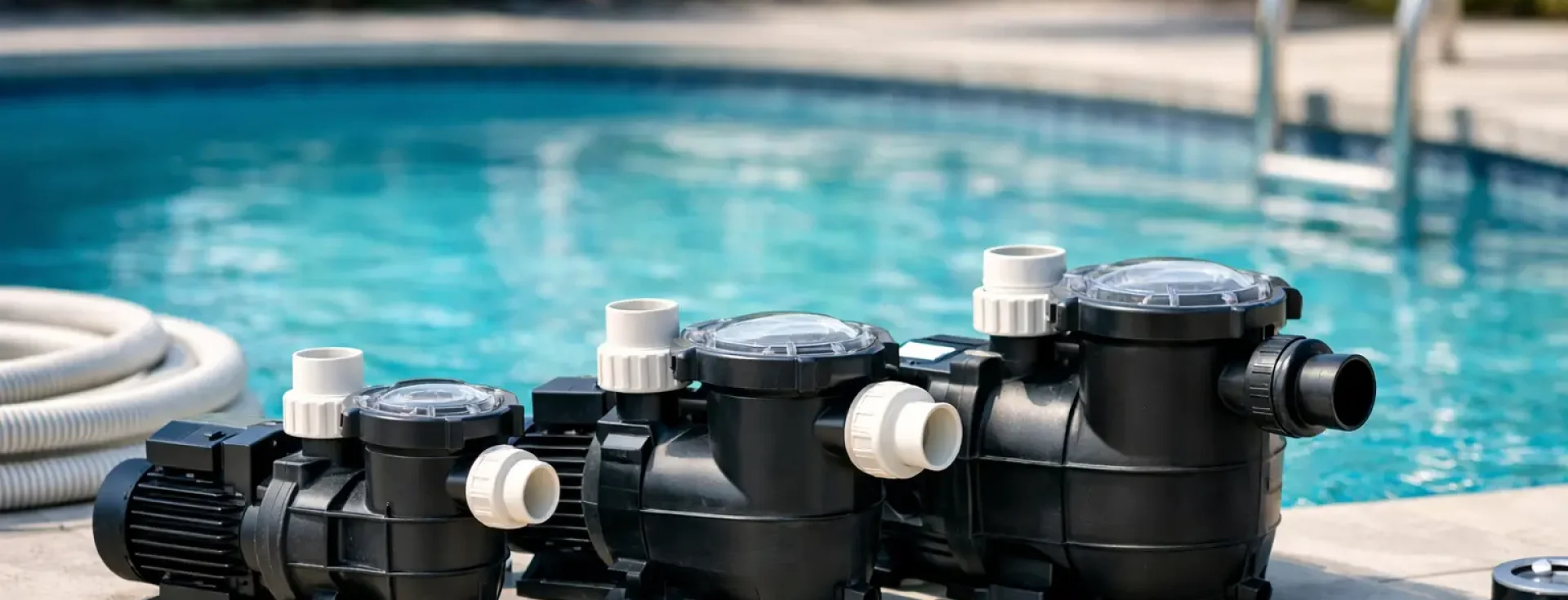
A pool that looks beautiful on the surface can still struggle underneath if the pump is undersized or oversized. That is why one of the most common questions from property owners and facility teams is what size pool pump is right for the job. The answer depends on more than pool volume alone. Flow rate, plumbing layout, filter capacity, water features, and daily operating hours all matter if you want clean water, stable circulation, and long-term equipment performance.
Why pool pump sizing matters
A pool pump is the center of the circulation system. It moves water through the skimmer, main drain, filter, heater, sanitizer, and return lines. If the pump is too small, circulation becomes weak, debris removal suffers, and water treatment equipment may not perform as intended. Dead spots can develop, and that usually leads to cloudy water, uneven chemical distribution, and more strain on maintenance.
If the pump is too large, the problem is different but just as real. Oversized pumps can waste energy, create excessive velocity in the plumbing, and push more flow than the filter was designed to handle. In premium residential pools and commercial settings, that can shorten equipment life and raise operating costs without delivering better water quality.
The right pump size creates balance. You want enough flow to circulate the pool efficiently, support attached features, and maintain healthy turnover, but not so much that the system runs harder than necessary.
What size pool pump depends on
When clients ask what size pool pump they need, the first instinct is often to look only at horsepower. That is not enough. Horsepower matters, but it is only one part of the selection process.
The real target is flow rate, usually measured in gallons per minute, and how that flow performs against the total resistance in the system. Resistance comes from pipe length, bends, valves, filters, heaters, chlorinators, and elevation changes. Two pools with the same water volume may need different pumps because the plumbing and equipment layouts are different.
Pool size is still the starting point. A larger pool needs more circulation than a smaller one, but the expected turnover period also matters. Residential pools are often designed around a turnover of roughly 6 to 8 hours, while many commercial installations must meet stricter local standards. A luxury villa pool with a simple circulation line will not have the same requirements as a hotel pool with water features, heating, and multiple treatment stages.
Start with pool volume and turnover
To estimate the right pump size, begin with pool volume. Once you know the total gallons, divide that number by the desired turnover time in minutes. That gives you the minimum flow rate needed.
For example, a 20,000-gallon pool with an 8-hour turnover needs about 42 gallons per minute. The same pool on a 6-hour turnover needs about 56 gallons per minute. That sounds straightforward, but this is only the baseline. The pump must deliver that flow rate at the actual head pressure of the system, not in ideal lab conditions.
That is where many sizing mistakes happen. A pump may be advertised with a strong flow figure, but the real-world performance changes once it is connected to a full system. Professional pump selection always looks at the performance curve, not just the headline horsepower.
Head pressure changes everything
Head pressure is the resistance the pump must overcome to move water. Longer pipe runs, smaller pipe diameters, extra elbows, check valves, heaters, and elevated water features all increase head. In larger homes, rooftop equipment rooms, long plant room distances, and decorative installations can push head pressure much higher than expected.
This is why pump sizing for premium properties and commercial projects should never be based on guesswork. A one-horsepower pump may be perfectly suitable for one residential pool and completely inadequate for another with longer plumbing, a spa circuit, and a waterfall edge.
If your pool includes laminar jets, deck jets, cascades, fountains, or a raised spa, each feature may require its own hydraulic review. Sometimes the best solution is not one larger pump, but separate pumps for circulation and features. That gives better control, cleaner hydraulics, and more efficient operation.
What size pool pump for residential pools
For many residential pools, pump sizes often fall in the range of 0.75 HP to 2.5 HP, but that range is broad for a reason. A compact plunge pool with short plumbing may operate efficiently with a smaller pump. A larger family pool with a heater, in-floor cleaning, and attached water features may need significantly more performance.
The key is not to treat horsepower as a shortcut. A 1.5 HP pump from one manufacturer will not always perform the same as a 1.5 HP pump from another. Motor design, impeller sizing, and pump curve all influence output. Variable-speed pumps also change the conversation because they can run at lower speeds for everyday filtration and increase speed only when required.
For villa owners and upscale residential buyers, variable-speed pumps are often the better long-term choice. They provide quieter operation, more precise control, and lower energy use. In hot climates where pools run frequently, those savings become meaningful over time.
What size pool pump for commercial pools
Commercial pools require a stricter and more technical approach. Hotels, residential towers, schools, wellness clubs, and hospitality projects usually operate with higher bather loads, longer run times, and tighter compliance expectations. Flow requirements are often defined by regulation, and equipment has to be selected around that standard.
In these projects, pump sizing must account for turnover requirements, filter loading rates, pipe sizing, balancing tanks where relevant, and the demand created by additional treatment systems. Reliability is critical because downtime affects both user experience and operational reputation.
For that reason, commercial buyers should evaluate the full circulation package rather than choosing a pump in isolation. A premium pump paired with an undersized filter or poorly planned pipework will not deliver premium results.
Match the pump to the filter and plumbing
One of the most overlooked parts of sizing is system compatibility. The pump should match the filter’s maximum flow rating and the pipework’s design limits. If the pump pushes too much water through the filter, filtration quality can drop and internal stress can increase. If water velocity in the pipes is too high, noise, wear, and hydraulic inefficiency follow.
A properly designed system feels controlled. Water returns are balanced, skimming is effective, and the equipment pad operates without strain. That is what quality pump sizing is really about – not just moving water, but moving it correctly.
Single-speed, dual-speed, or variable-speed
Pump type affects sizing decisions as much as pump size itself. Single-speed pumps are straightforward, but they are less flexible and typically less efficient. Dual-speed models offer more control, though they are now less common in premium specifications. Variable-speed pumps are increasingly preferred because they allow the system to be tuned around real operating needs.
That flexibility matters. A pool does not need maximum flow all day long. Lower speed can handle routine filtration, while higher speed can support vacuuming, backwashing, heating demand, or water features when needed. In premium residential and commercial environments, this gives a better balance of performance, noise control, and energy management.
Signs your pool pump may be the wrong size
If your pool struggles to stay clean, has weak return flow, or develops recurring cloudy water despite proper chemical treatment, the pump may be undersized or the hydraulics may be poorly matched. If the system is loud, energy costs feel excessive, or the filter pressure rises aggressively, the pump may be oversized or operating inefficiently for the design.
These symptoms are not always caused by the pump alone, which is why a full technical review is the smart approach. Plumbing restrictions, dirty filters, valve settings, and equipment wear can produce similar issues.
Why expert sizing pays off
Choosing what size pool pump you need is ultimately a system design decision, not a shelf-picking exercise. For luxury homes, real estate assets, and commercial properties, the right selection protects water quality, supports visual performance, and reduces avoidable operating cost.
At Aquatic Pools and Fountains, pump selection is approached with the level of technical precision that premium projects demand. That means reviewing the pool volume, hydraulic conditions, equipment compatibility, and intended usage before recommending a solution.
If you are replacing an aging pump or specifying equipment for a new installation, the smartest move is to size for real operating conditions, not assumptions. The right pump should feel invisible in the best way – quiet, efficient, dependable, and fully aligned with the standard of the pool it serves.