
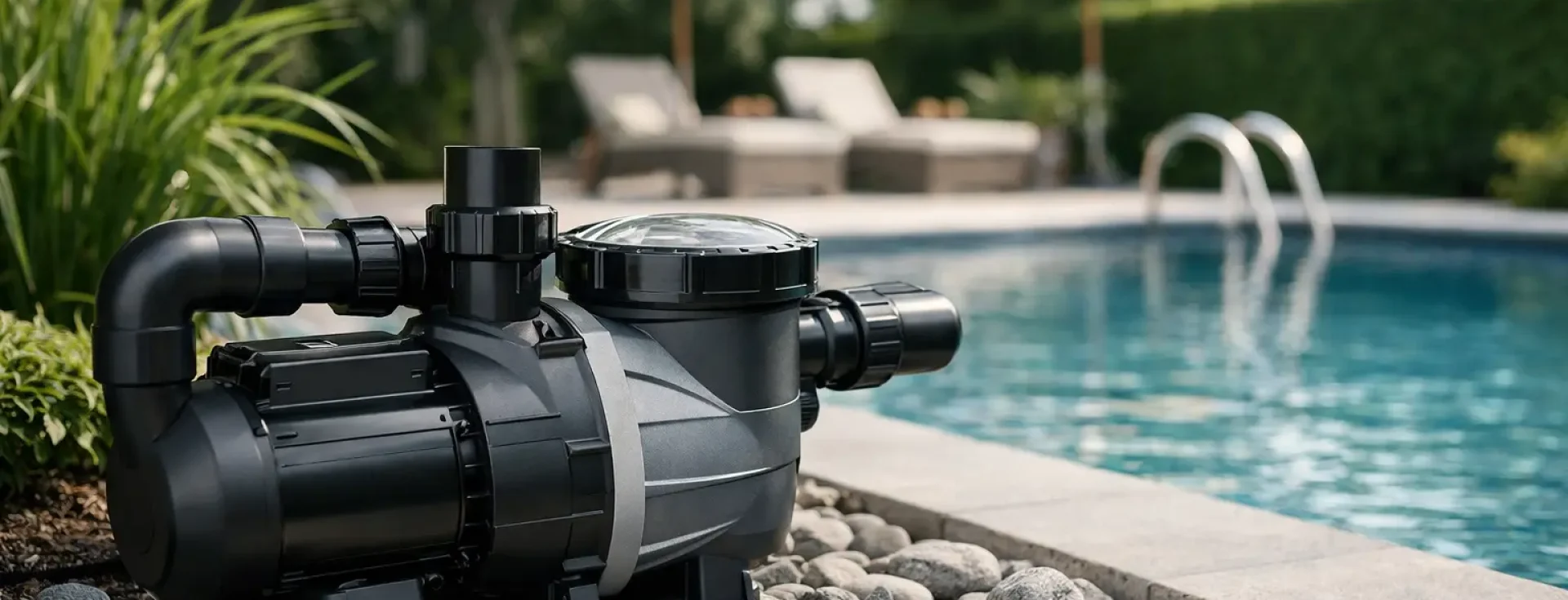
A noisy pump can ruin the entire pool experience. In a private villa, it turns a calm outdoor setting into a mechanical zone. In a hotel or residential development, it creates a constant background issue that guests, tenants, and facility teams notice quickly. That is why demand for a silent pool pump continues to grow across premium residential and commercial properties.
The term sounds simple, but not every low-noise pump performs the same way. Quiet operation depends on motor design, hydraulic efficiency, installation quality, and whether the pump is actually matched to the pool system. A premium result comes from getting all of those details right, not just choosing a product labeled as quiet.
What makes a silent pool pump truly quiet
Most pump noise comes from three sources: the motor, water movement, and vibration. A standard single-speed pump often runs at full power whenever it is on, which increases sound levels and wastes energy. A better-engineered silent pool pump reduces noise by controlling motor speed, improving internal flow, and limiting vibration transfer into the surrounding equipment base and pipework.
Variable-speed technology is usually the biggest factor. Instead of operating at one high output all day, the pump can run at lower speeds for normal filtration and increase only when needed for backwashing, water features, or heavy circulation demand. Lower RPM usually means significantly less noise.
Pump housing and impeller design also matter. When water moves efficiently through the wet end, there is less turbulence, less strain on the system, and less operating sound. In premium installations, this difference is immediately noticeable, especially in compact equipment rooms or pool decks close to seating areas.
Why a silent pool pump matters in premium properties
For luxury homes, noise control is part of the overall design standard. Pool equipment should support the environment, not compete with it. When the pool sits near a terrace, garden lounge, bedroom wing, or indoor relaxation area, even moderate pump noise becomes disruptive.
For commercial assets, the issue is broader. Hotels, fitness clubs, residential towers, and corporate facilities need circulation systems that perform reliably without creating complaints. A silent pool pump helps maintain a refined environment while supporting consistent water quality. It also improves flexibility when equipment rooms are located near guest zones, service corridors, or occupied spaces.
There is also an operational advantage. Quieter, modern pumps are often paired with better energy performance and smarter controls. That matters to property owners and operators who want long-term efficiency rather than short-term equipment replacement.
Silent pool pump vs standard pump
The difference is not only about sound. A standard pump may still be suitable for some basic applications, especially where budget matters more than efficiency or where the equipment area is far from occupied spaces. But in high-value residential and commercial settings, that compromise is rarely ideal.
A silent pool pump typically offers quieter daily operation, lower energy consumption, and more precise circulation management. It may also reduce wear on the wider system because it does not run unnecessarily hard at all times. The trade-off is upfront cost. Premium low-noise pumps, especially variable-speed models from established global brands, cost more than entry-level units.
That said, buying solely on purchase price often leads to a poor result. A lower-cost pump that is too loud, oversized, or inefficient can create higher running costs and earlier replacement pressure. In many cases, the better financial decision is the pump that performs correctly for years with less disruption.
How to choose the right silent pool pump
The first step is not the pump itself. It is understanding the pool system. Flow requirement, filtration setup, piping layout, pool volume, water features, and hours of operation all affect pump selection. A pump that is ideal for a compact residential pool may be completely wrong for a large overflow pool or a commercial facility with multiple hydraulic demands.
Match the pump to the pool size and hydraulic design
Oversizing is a common mistake. Many buyers assume a more powerful pump is automatically better, but excess power can increase noise, create unnecessary pressure, and reduce overall efficiency. The right pump should deliver the required flow rate without stressing the plumbing network.
Undersizing has its own problems. Weak circulation affects filtration quality, chemical distribution, and water clarity. The goal is balanced performance, not maximum output.
Prioritize variable-speed performance
If quiet operation is a priority, variable-speed models deserve serious attention. They allow the pump to run slower for everyday filtration, which is where most pools spend most of their time. This can dramatically reduce operational sound while improving efficiency.
For villa owners, that means a more peaceful pool environment. For facility managers and hospitality operators, it means better control over daily schedules, energy use, and guest comfort.
Consider the installation environment
Even the best silent pool pump can sound louder than expected if the installation is poor. Hard surfaces, enclosed echo-prone spaces, unstable pump bases, and poorly supported pipes can all amplify vibration and noise. In practice, the pump and the installation need to be treated as one package.
This is especially important in premium projects where equipment may be positioned close to occupied areas. Professional installation with proper alignment, anti-vibration measures, and system balancing makes a visible difference in both sound and service life.
Look at durability, not just specifications
Quiet performance on day one is not enough. The pump should maintain stable operation over time in demanding weather and operating conditions. In the UAE, heat, dust, and long operating hours place real demands on pool equipment. Material quality, motor protection, seal integrity, and service support all matter.
This is where established suppliers and recognized brands add value. Product selection should be backed by technical guidance, spare parts access, and maintenance support, not just a catalog description.
Common reasons a pool pump is louder than expected
Sometimes the issue is not the pump model at all. A system can become noisy because of air leaks, clogged baskets, restricted suction lines, worn bearings, poor mounting, or cavitation caused by incorrect hydraulic design. If a pump suddenly becomes louder, that is usually a warning sign rather than a cosmetic issue.
Commercial operators should pay close attention here. Ignoring noise changes can lead to system stress, circulation problems, and preventable downtime. For homeowners, early inspection can avoid larger repair costs later.
A quiet pump that becomes noisy needs diagnosis, not guesswork. Replacing parts without understanding the cause often wastes time and budget.
Is a silent pool pump worth the investment?
In most premium applications, yes. The value is not limited to comfort. A silent pool pump supports better energy management, improved operating control, and a more refined environment. For villas, that protects the lifestyle quality of the space. For developers and commercial operators, it supports asset value and user satisfaction.
The return depends on the project. In a small secondary pool set far from living areas, the difference may feel less critical. In a luxury residence, hotel, spa, or high-end residential tower, it becomes much more important. That is why pump selection should follow the use case, not a generic rule.
Why expert selection matters
Pool equipment works best when every component is selected as part of a complete system. Pumps, filters, heaters, disinfection systems, valves, and control settings all affect each other. Choosing a silent pool pump in isolation can still produce a disappointing result if the rest of the hydraulic setup is not aligned.
For clients investing in premium aquatic environments, technical support is not an extra. It is part of the product value. Aquatic Pools and Fountains supports residential and commercial buyers with equipment supply, installation guidance, and maintenance expertise so the result is not only quieter, but also more reliable and durable.
The right pump should disappear into the background. That is the standard worth aiming for – strong circulation, efficient performance, and an environment that feels calm from the first hour of operation to the years that follow.