A pool can look flawless in the morning and turn into a maintenance problem by afternoon if the chemistry is wrong. That is why choosing the right swimming pool chemicals suppliers matters far beyond simple product availability. For villa owners, hospitality operators, developers, and facility managers in Dubai and across the UAE, chemical supply is directly tied to water clarity, swimmer safety, equipment life, and day-to-day operating confidence.
The difference between an average supplier and a dependable one usually shows up after the sale. Anyone can offer chlorine, pH control products, algaecides, and testing solutions. A serious supplier helps you select the correct treatment approach for your pool size, bather load, filtration system, and maintenance schedule. That level of support is especially valuable in high-temperature environments, where water balance can shift quickly and poor chemical management can damage finishes, strain mechanical systems, and create avoidable downtime.
What sets strong swimming pool chemicals suppliers apart
Reliable supply is the first benchmark, but it should never be the only one. Premium projects and professionally managed properties need consistency in both product quality and technical guidance. When chemicals vary in strength, packaging, handling standards, or availability, the result is often uneven treatment performance and unnecessary operational risk.
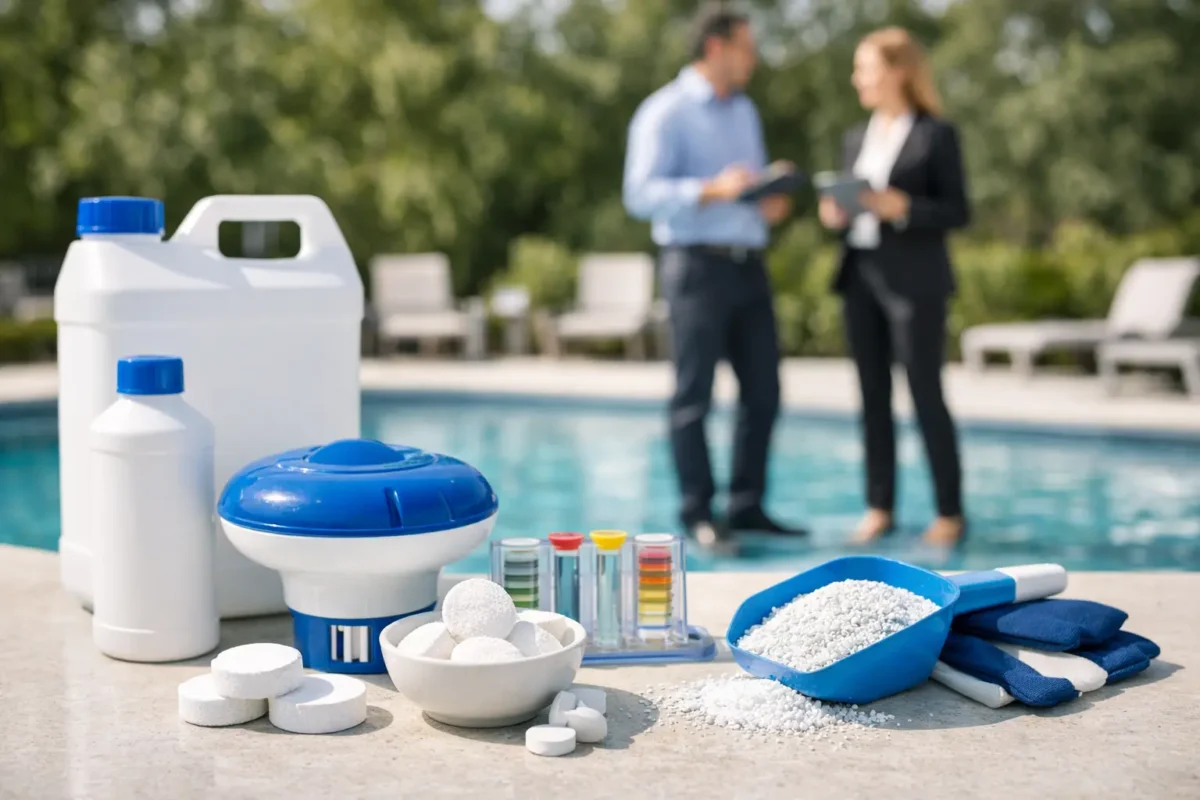
Strong suppliers maintain broad stock across core treatment categories. That includes sanitizers, shock treatments, pH increasers and reducers, alkalinity control, calcium hardness products, clarifiers, flocculants, algaecides, stain control solutions, and water testing materials. For commercial pools, the requirement may also extend to advanced disinfection support, automated dosing compatibility, and products suited to strict maintenance protocols.
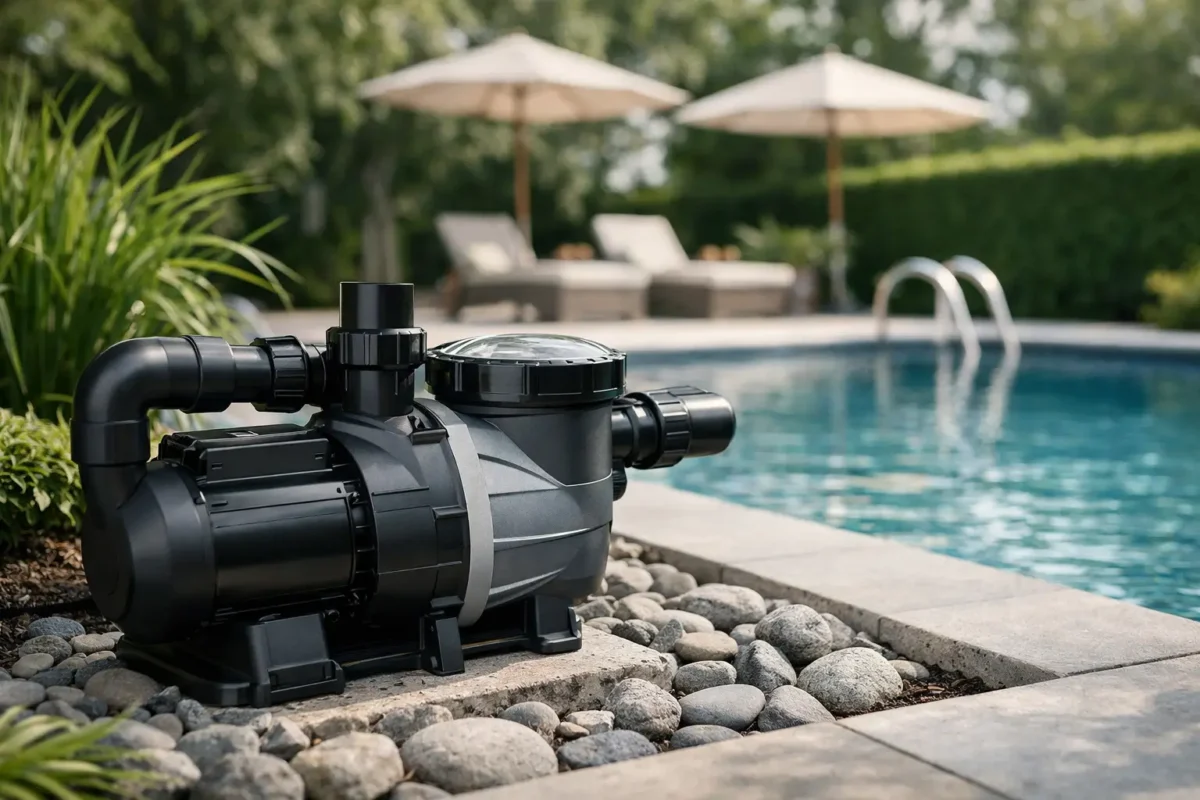
Technical competence is equally important. A supplier serving premium residential and commercial properties should understand how chemicals interact with pumps, filters, heaters, heat-cool systems, circulation design, and disinfection equipment. Water treatment does not operate in isolation. If the chemistry program is not matched to the system design, even high-quality chemicals can be used inefficiently.
Why supplier quality matters in the UAE
Pools in the UAE operate under conditions that demand precision. Heat, evaporation, dust, and heavy seasonal usage can all affect water balance. In luxury villas, the expectation is crystal-clear water with minimal interruption. In hotels, towers, and commercial facilities, the standard is even higher because water quality influences guest experience, safety compliance, and brand reputation.
This is where supplier quality becomes a business decision, not just a purchasing choice. A dependable chemical partner helps reduce emergency corrections, supports routine maintenance, and protects the wider investment in pool infrastructure. Poor-quality chemical sourcing may appear cheaper at the start, but the long-term cost often comes through equipment wear, surface issues, excess product consumption, and time lost to troubleshooting.
For commercial buyers, consistency also affects procurement efficiency. If one supplier can provide chemicals, testing systems, and technical support under one professional standard, operations become more predictable. That matters for developers handing over assets, facility teams managing multiple sites, and hospitality groups working against service-level expectations.
The right supplier does more than deliver products
The most valuable suppliers combine inventory depth with guidance. They do not simply move boxes from warehouse to site. They help clients choose appropriate treatment routines, storage practices, and testing methods. That is particularly useful for buyers who know what they need in broad terms but want expert confirmation before ordering.
For example, a residential client may only need a practical, easy-to-manage chemical program that keeps water balanced without overcomplicating maintenance. A hotel or community pool may need a more structured approach with regular dosing, clearer documentation, and support for higher usage patterns. In both cases, the chemicals may look familiar on paper, but the actual requirements are different.
This is also why working with a full-scope aquatic partner has clear advantages. When the same company understands the pool equipment, circulation setup, testing systems, and maintenance realities, chemical recommendations are typically more accurate. Aquatic Pools and Fountains operates in that space by supporting clients with products, technical guidance, and ongoing service rather than treating chemical supply as an isolated transaction.
How to evaluate swimming pool chemicals suppliers
The best evaluation starts with three practical questions. First, can the supplier provide dependable stock across the full chemical range you need? Second, can they explain which products are right for your specific pool environment? Third, can they support you after purchase if water balance issues arise?
If the answer to any of those questions is unclear, the supplier may not be the right fit for a premium property or professionally managed facility.
Look closely at product breadth. A supplier with limited options may push a narrow treatment approach simply because that is what they carry. A better supplier can recommend based on actual pool requirements, not inventory gaps. That flexibility matters when you are managing different pool sizes, finishes, and user loads across villas, residential towers, or commercial sites.
It is also worth checking how they handle technical communication. Serious suppliers speak clearly about dosing logic, compatibility, testing frequency, and storage standards. They do not rely on vague claims. They should be able to discuss trade-offs as well. For instance, some treatment methods are simpler for routine residential use, while others are more suitable for high-demand commercial settings with tighter operational oversight.
Product quality, handling, and storage standards
Chemical quality is not just about brand reputation. It is also about how products are stored, transported, and presented. Poor handling can compromise effectiveness or create safety issues. That is why established suppliers invest in organized stock management and proper product support.
For buyers, this means asking practical questions about packaging integrity, shelf life, batch consistency, and storage recommendations. In commercial settings, it may also mean checking whether the supplier can support regular replenishment schedules without interruption. Running short on essential treatment chemicals is not a minor inconvenience when guest use, tenant expectations, or operational compliance are involved.
Premium suppliers also understand that chemical selection should protect pool finishes and equipment over time. Overuse of the wrong products, or repeated correction of water that has been poorly managed, can affect tiles, fittings, filters, pumps, and heat exchange components. A quality-led supplier helps avoid those issues by recommending balanced, efficient treatment practices from the start.
Residential versus commercial supply needs
Not every buyer should be sold the same package. That is one of the clearest signs of a supplier that values performance over quick transactions.
Residential pool owners usually want simplicity, reliability, and clear guidance. They want a treatment program that keeps water safe and visually inviting without requiring constant intervention. In many cases, easy access to trusted products and occasional technical advice is the right fit.
Commercial buyers have a more complex brief. Hotels, property managers, developers, and facility teams may need larger volumes, scheduled supply, stronger reporting discipline, and compatibility with automated dosing or advanced disinfection systems. They may also need a supplier that understands handover schedules, service continuity, and the reputational impact of poor water quality.
A premium supplier should be comfortable serving both markets while tailoring the solution to each. That balance is especially important in the UAE, where expectations around luxury presentation and operational reliability are high.
Choosing for long-term value, not short-term price
Price always matters, but chemical procurement should not be reduced to a line-item comparison. Lower upfront pricing can become expensive if it leads to inconsistent treatment, rushed reorders, poor technical advice, or avoidable maintenance issues. The better question is whether the supplier helps preserve water quality and protect the pool system over time.
Long-term value comes from consistent stock, dependable product quality, knowledgeable support, and the ability to respond when conditions change. It also comes from working with a supplier that understands the wider aquatic environment, from circulation and filtration to maintenance planning and user expectations.
For high-end villas, residential developments, hotels, and corporate properties, that kind of supplier relationship supports both presentation and performance. Clean, balanced water is visible to every guest and resident. The quality behind it is not always visible, but it is what keeps the experience premium.
The right chemical supplier should make pool ownership and facility management more controlled, more efficient, and more dependable. When water quality is central to the value of the property, choosing expertise over convenience is usually the smarter move.