Aquatic

Categories
Uncategorized

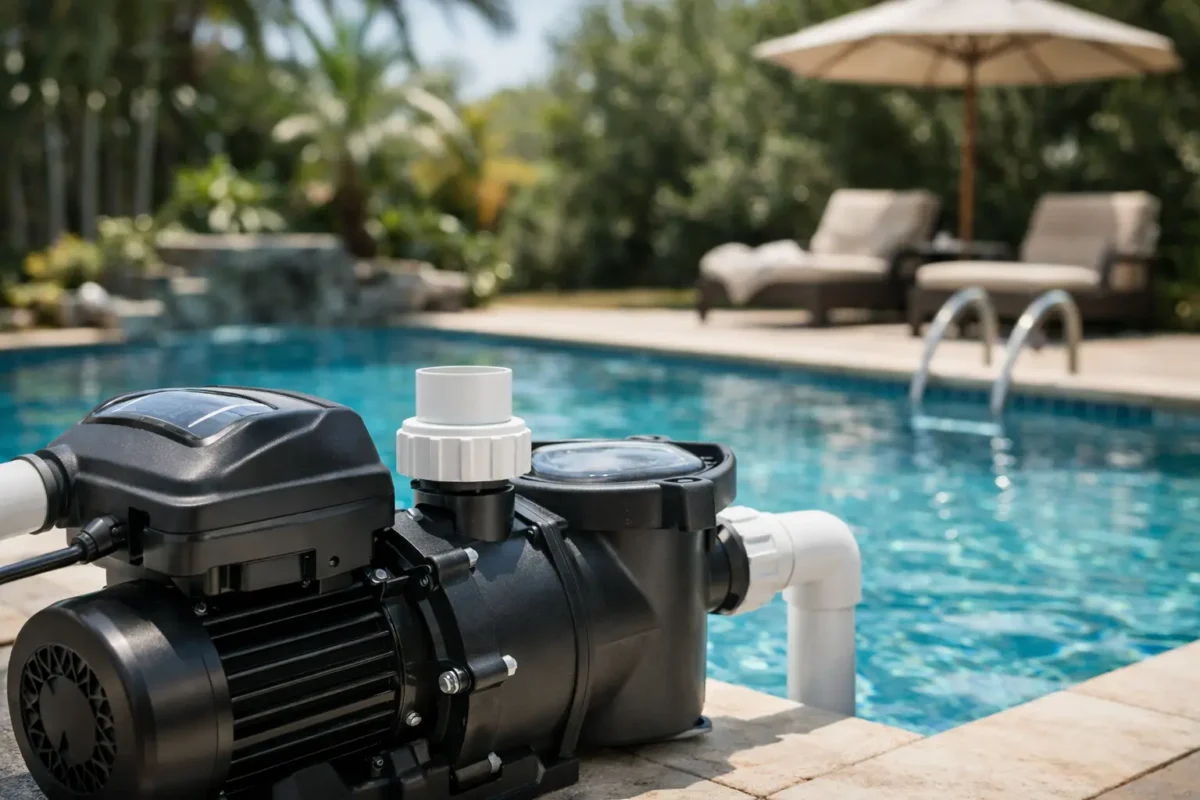
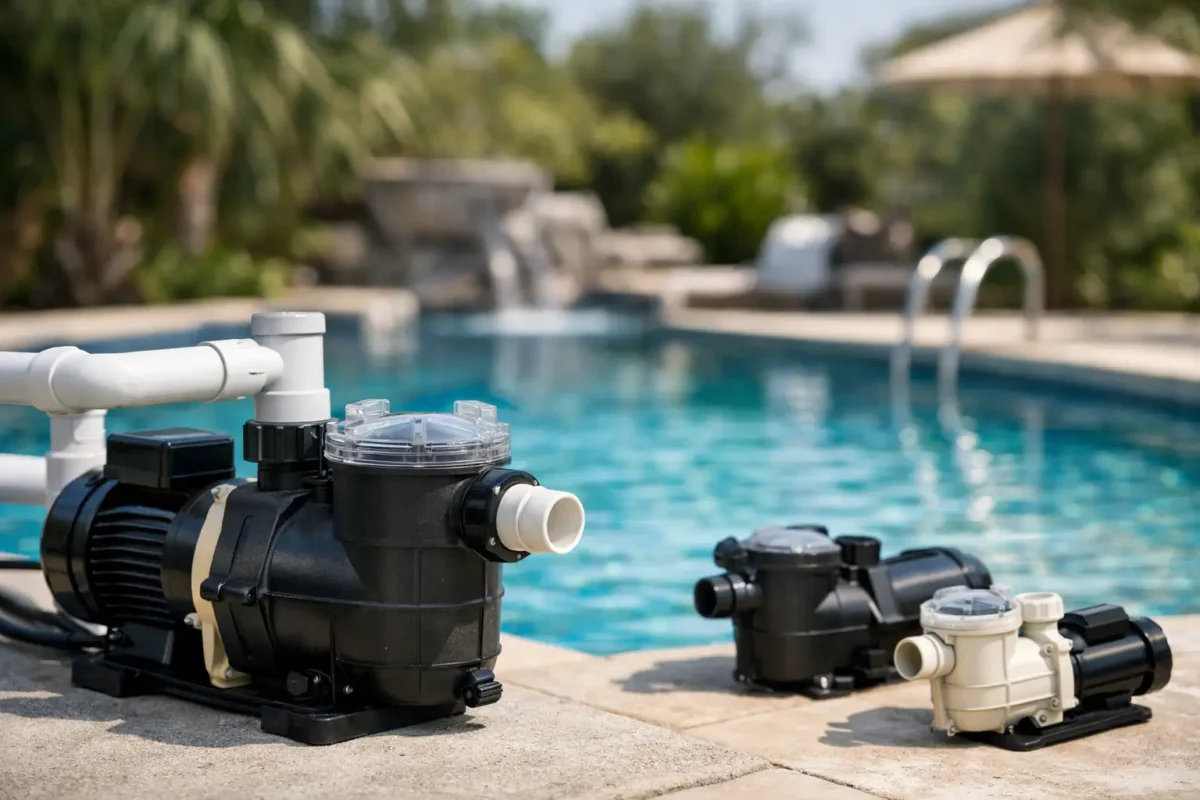
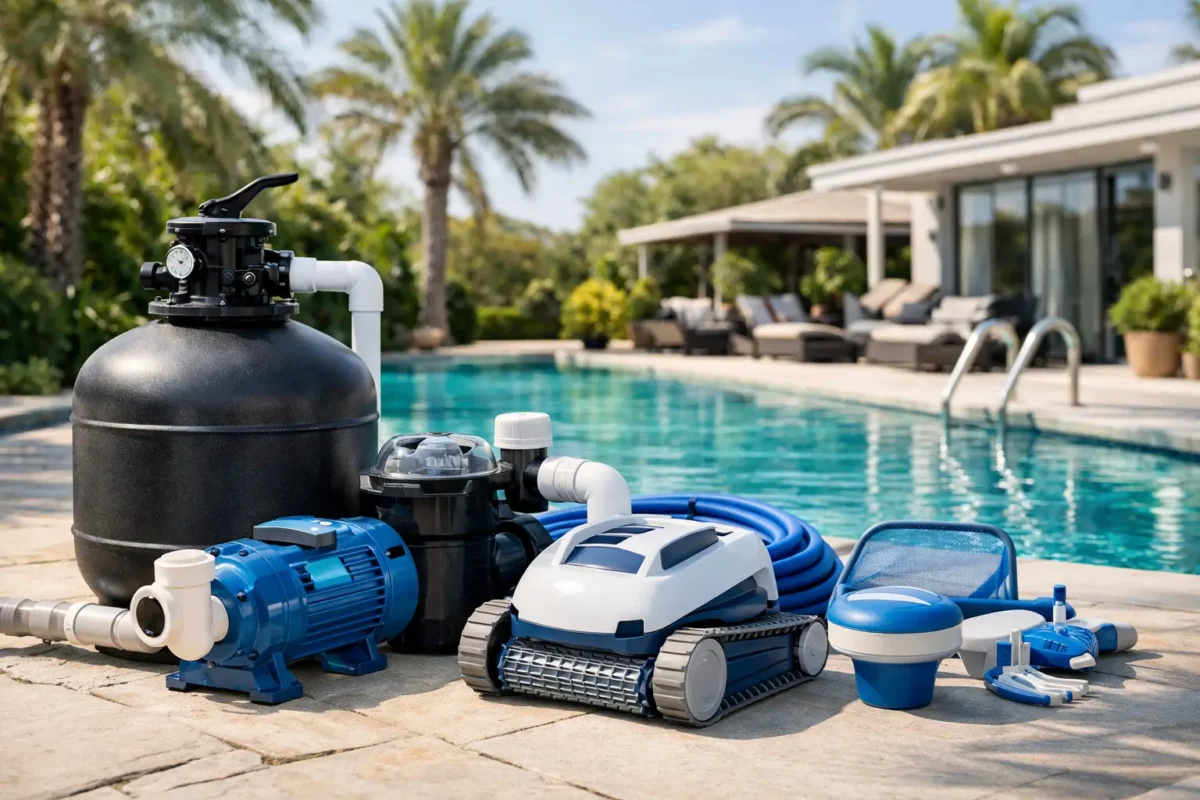
Pool Pump Selection for Reliable Performance

A pool can look immaculate at sunrise and still be working against hidden circulation problems. When water turns dull, debris lingers, chemical readings fluctuate, or the equipment room becomes unusually loud, the pool pump is often at the center of the issue. This essential piece of equipment drives water through the filter, heater, disinfection system, and returns, protecting both water quality and the investment behind a premium pool installation.

For villas, residential towers, hotels, and commercial properties in Dubai and across the UAE, pump selection is not simply about choosing the largest available model. The right solution depends on hydraulic design, pool volume, filter capacity, pipework, operating hours, and the features connected to the system. A properly specified pump delivers clear water, controlled energy costs, quieter operation, and dependable performance in demanding heat.

Why the Pool Pump Sets the Standard

Every circulation system relies on consistent water movement. The pump pulls water through the skimmer and main drain, pushes it through the filtration and treatment equipment, then returns clean water to the pool. If circulation is too weak, contaminants remain in the water longer and chemicals do not distribute evenly. If it is too forceful, it can create unnecessary noise, waste energy, strain fittings, and reduce filtration efficiency.

The objective is to achieve the correct turnover rate: the time required for the full pool volume to pass through the filtration system. A private villa pool may have very different turnover requirements from a heavily used hotel pool or community facility. Bather load, outdoor exposure, water temperature, and local environmental conditions all affect the final specification.

This is why pump capacity must be matched to the entire system, not chosen in isolation. A high-output unit attached to undersized pipework or a filter with insufficient flow capacity will not improve results. It may instead create pressure issues and shorten the service life of connected equipment.

Selecting the Right Pool Pump Capacity

Pump sizing begins with pool volume, but volume is only one part of the calculation. The system must overcome total dynamic head, which is the resistance created as water travels through pipes, bends, valves, filters, heaters, chlorinators, and water features. Long pipe runs, elevated equipment rooms, and decorative features such as waterfalls or fountains can add substantial resistance.

A professional assessment considers the desired flow rate alongside this resistance. The goal is to move enough water to maintain the appropriate turnover without exceeding the operating range of the filter, heater, or treatment equipment. In luxury projects, this balance is especially valuable because the circulation system may serve multiple zones, spa jets, overflow channels, and visually sensitive water features.

For a standard residential pool, an appropriately sized single-speed or variable-speed pump may be sufficient. For larger properties, hospitality facilities, and pools with high daily use, commercial-grade pumps may be required to support longer operating schedules and more demanding filtration loads. The best choice depends on the system design, not a generic horsepower figure.

Consider the Filter Before Choosing the Pump

The pump and filter operate as a matched pair. Every filter has a recommended flow range. If pump output is too low, water may not circulate and filter effectively. If it is too high, water can move through the media too quickly, reducing filtration quality and raising pressure inside the system.

Sand filters, cartridge filters, and glass media systems each have different operating characteristics. A well-designed pump selection respects the filter’s rated capacity while allowing enough margin for real-world conditions, including dirty filter media, seasonal debris, and extended running periods.

Account for Features and Equipment Zones

Waterfalls, deck jets, infinity edges, spa circulation, heat-cool pumps, salt chlorinators, and UV or ozone disinfection systems can all influence the pump requirement. Some projects benefit from separate pumps for filtration and water features. This allows the main filtration system to run efficiently while decorative features operate only when needed.

Separating these functions can reduce wear, improve control, and prevent a feature pump from dictating the size and energy use of the primary circulation system. For commercial and high-visibility installations, it also creates better operational flexibility during maintenance.

Variable-Speed Pool Pump Benefits

Variable-speed technology has become a preferred choice for many modern pools because it provides control that traditional single-speed models cannot. Rather than running at one fixed speed, a variable-speed pump can operate at lower speeds for routine filtration and increase output when the system needs additional flow for backwashing, heating, vacuuming, or water features.

Lower-speed operation typically uses significantly less electricity and produces less noise. This matters in villa equipment rooms located near outdoor living areas, as well as apartment and hospitality properties where guest comfort is a priority. A quieter circulation system supports the refined environment expected of a premium installation.

The trade-off is a higher upfront investment and the need for correct programming. A variable-speed unit should not be installed and left at maximum output all day. Its value comes from setting suitable schedules and speeds based on the pool’s actual needs. A professional technician can establish filtration cycles that maintain water clarity while avoiding unnecessary energy consumption.

Single-speed pumps can still be appropriate in certain applications, especially where the system is simple, operating demands are limited, or an existing installation has specific compatibility requirements. The decision should be based on lifecycle value, not purchase price alone.

Installation Details That Protect Performance

Even a premium pool pump can underperform if installation standards are overlooked. Correct pipe sizing, proper valve placement, secure foundations, ventilation, and accessible service clearance all affect reliability. The pump should be positioned to minimize unnecessary suction resistance and installed on a stable base that limits vibration.

Electrical protection is equally critical. The equipment must be connected in accordance with local safety requirements, with appropriate isolation and protection from moisture. In the UAE climate, equipment rooms also require adequate ventilation. High ambient temperatures can place extra stress on motors and electronic controls, particularly when the room is enclosed or exposed to direct sun.

A properly fitted strainer basket protects the pump from leaves, hair, and larger debris before water reaches the impeller. This small component deserves regular attention. A blocked basket reduces flow, makes the motor work harder, and can contribute to cavitation, a damaging condition often identified by rattling or crackling sounds inside the pump.

Maintenance Signs You Should Not Ignore

A circulation system rarely fails without warning. Reduced return flow, air bubbles in the pump lid, repeated loss of prime, rising filter pressure, water leaks, or an unusually hot motor all require prompt inspection. Ignoring these signals can turn a minor seal, basket, or valve issue into a more expensive motor or equipment replacement.

Routine maintenance should include cleaning the pump basket, checking the lid O-ring, monitoring pressure readings, inspecting unions and valves for leaks, and confirming that the programmed run time matches current usage. Filters should also be cleaned or backwashed according to their condition rather than an arbitrary schedule. Excessive backwashing wastes water, while waiting too long restricts circulation.

For commercial properties, documented maintenance is particularly valuable. It helps facility teams identify changes in flow, pressure, energy use, and operating behavior before water quality is affected. Scheduled inspections also support a more predictable replacement strategy for mechanical components.

A Premium Approach to Pool Circulation

A pool pump should support the entire experience of the pool: clear water, quiet surroundings, stable treatment performance, and lower long-term operating costs. Selecting equipment from trusted global brands is essential, but technical guidance is what ensures that the equipment performs as intended once installed.

Aquatic Pools and Fountains provides pool circulation solutions for residential and commercial projects that require dependable equipment, professional installation, and ongoing technical support. From replacement pumps for existing villas to engineered systems for new developments, the right recommendation begins with understanding the full hydraulic picture.

The most effective time to address pump performance is before cloudy water, rising energy bills, or equipment failure forces an urgent decision. A properly sized, professionally installed, and well-maintained pump keeps the water moving exactly as a premium pool should.
Categories
Uncategorized

Swimming Pool Lights for Premium UAE Pools

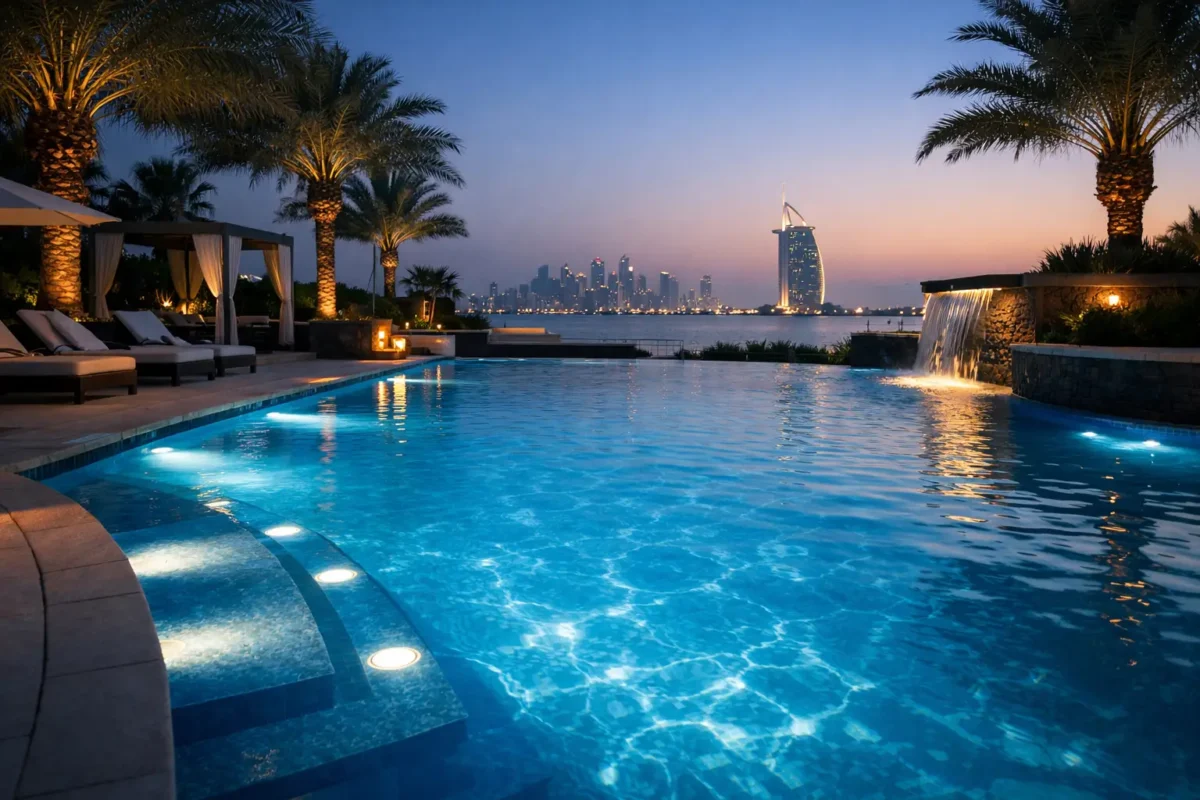
A pool can look exceptional in daylight and disappear completely after sunset. The right swimming pool lights change that. They define the waterline, reveal architectural finishes, improve visibility for evening use, and give a villa, hotel, or residential development a more polished presence after dark.

For premium properties in the UAE, lighting is not simply a decorative extra. It is a technical component of the pool system, expected to perform reliably through heat, humidity, chemical exposure, and frequent use. Selecting the right fixtures, controls, placement, and installation method from the beginning protects both the visual result and the long-term value of the investment.

Why swimming pool lights deserve careful planning

Pool lighting influences how people experience the entire outdoor or indoor space. A warm white glow can make a stone-lined villa pool feel calm and elegant. Tunable RGB or RGBW lighting can support a more dynamic hospitality setting, an event terrace, or a family entertainment area. In a commercial pool, clear and consistent underwater illumination also helps facility teams monitor swimmers, steps, ledges, and changes in depth.

The quality difference becomes apparent at night. Poorly positioned fixtures can create glare from a seating area, leave dark patches across the pool floor, or show uneven color through the water. Low-grade products may fade, leak, or suffer premature driver and cable failures. A premium lighting specification accounts for beam angle, fixture housing, electrical protection, service access, and compatibility with the rest of the pool equipment.

For developers and property managers, this planning also helps prevent expensive corrective work. Replacing an accessible lamp is straightforward. Reworking fittings, conduits, electrical connections, or finishes after handover is a different matter.

LED is the standard for modern pool lighting

LED technology is the preferred choice for most new residential and commercial installations. Compared with older halogen systems, LED fixtures use less energy, produce less heat, and generally offer a much longer service life. They also provide stronger control options, from simple white illumination to programmable color scenes.

White LED lighting remains the most timeless choice for many luxury pools. It presents water clearly, complements natural stone and mosaic finishes, and does not rely on changing colors to make an impression. The selected color temperature matters. Warm white can soften a relaxed residential setting, while neutral or cool white often suits contemporary architecture and pools with crisp blue tile finishes.

RGB fixtures produce a wide range of colors, while RGBW fixtures include a dedicated white LED for a cleaner everyday white mode. This distinction is valuable. An RGB fitting can create white by mixing colors, but the result may not have the clarity or refinement of a dedicated white channel. For hotels, high-visibility fountains, and statement pools, RGBW often provides the better balance between dramatic effects and practical daily lighting.

The ideal choice depends on how the pool will be used. A private villa may prioritize a refined fixed white light with occasional color settings. A hotel pool deck or commercial leisure facility may benefit from scene control that can adapt to events, holidays, and different operating hours.

Selecting the right fixture type

Swimming pool lighting systems are available in several formats, and the pool construction method will guide the decision. The fixture must be suitable for its exact application, whether it is installed in concrete, tiled pools, fiberglass shells, or stainless-steel structures.

Recessed niche lights

Recessed lights are installed within a purpose-made niche in the pool wall. This is a clean, traditional solution for new-build concrete pools and is widely used in premium projects. The light sits neatly within the wall finish, while the niche supports proper cable routing and allows service access when correctly specified.

Niche systems need careful coordination before concrete work and waterproofing begin. The niche location, conduit route, bonding requirements, and final tile thickness all affect the finished result. This is not an area for late-stage improvisation.

Surface-mounted lights

Surface-mounted LED lights are fixed directly to the pool wall and are often suitable for renovation projects where creating a recessed niche is impractical. Modern low-profile units can offer a discreet appearance with excellent light output. They are particularly useful when upgrading older pools from halogen to LED.

Their main advantage is installation flexibility. However, the visible fixture profile and cable routing must be considered carefully so the finished pool maintains a premium appearance.

Compact lights for steps, spas, and water features

Large pool lights alone do not always deliver a complete design. Compact LED fittings can illuminate entry steps, tanning ledges, spas, overflow channels, and decorative water features. These details improve safety while creating layered visual interest.

A spa, for example, may need softer and more localized lighting than the main pool. A fountain may require fixtures selected specifically for its water depth, nozzle pattern, and viewing distance. Matching every fixture to the same controller can create a coordinated scene across the wider landscape.

Light placement affects safety and appearance

The number of fixtures required is not determined by pool length alone. Width, depth, surface finish, water clarity, surrounding architecture, and intended use all matter. Dark tile absorbs more light than pale mosaic. Deep pools, freeform designs, and pools with multiple levels may need a more detailed lighting layout than a simple rectangular pool.

In most cases, lights should be aimed away from the primary viewing area. If the main terrace, villa façade, or restaurant seating faces one side of the pool, placing fixtures on that side can send glare directly toward guests. Positioning lights to shine across the pool instead generally produces a more comfortable view and emphasizes the water surface.

Steps, ledges, and transitions deserve particular attention. These areas are where swimmers enter, stand, and change direction. Dedicated low-level lighting can make them more visible without overpowering the overall design. For commercial properties, good visibility supports safer operation and a more professional guest experience.

Controls should match the property

A basic lighting system may use a wall switch or a simple remote control. This can be sufficient for a small private pool with white LED fixtures. Larger villas, hotels, residential towers, and mixed-use developments often benefit from centralized control.

Smart controllers can schedule lights around operating hours, manage color scenes, synchronize pool and fountain lighting, and provide convenient control from a dedicated interface. The practical value is substantial for facility managers: lighting can be standardized across multiple areas without relying on manual switching every evening.

Control systems should be chosen with realistic expectations. More features mean more components, programming, and potential service requirements. A high-end system is worthwhile when the property will use its scenes and automation. If the pool only needs reliable white lighting from sunset until closing, a simpler control arrangement may be the stronger long-term choice.

Electrical safety is non-negotiable

Underwater lighting requires professional electrical design and installation. Pool lights are typically low-voltage fixtures supplied through a correctly rated transformer and protected electrical circuit. The transformer, junction connections, conduits, cable lengths, and control equipment must be selected as a coordinated system.

A fixture’s waterproof rating is only one part of the equation. The quality of the cable entry, seals, niche installation, junction box placement, and connections determines how well the system performs over time. In UAE conditions, heat, high chlorine exposure, saltwater systems, and intensive operating schedules can expose weaknesses quickly.

For commercial properties, compliance, documentation, and maintainable access should be considered from the project stage. Technicians need to be able to inspect and replace components without damaging finishes or interrupting pool operations unnecessarily.

Protecting lighting performance over time

Even premium LED fixtures require the right operating environment. Balanced pool water protects metal components, seals, lenses, tile finishes, and other equipment throughout the system. Poor chemical management can shorten the life of lighting hardware and leave visible staining or deterioration around fittings.

Routine maintenance should include checking fixture lenses for scale or discoloration, examining cable and connection points during scheduled service, testing control functions, and confirming that lights operate consistently. A light that flickers, changes color unexpectedly, or trips a circuit should be assessed promptly rather than left until it fails completely.

When replacing older lights, it is also wise to review the transformer and controls. Installing new LED fixtures on unsuitable legacy equipment can limit performance or create compatibility issues. A complete assessment often delivers a more reliable upgrade than replacing lamps alone.

Aquatic Pools and Fountains supports premium pool and fountain projects with lighting products, technical guidance, professional installation, and ongoing maintenance tailored to villas, hospitality facilities, and commercial assets across the UAE.

A well-lit pool should feel effortless: clear enough for safe use, refined enough for a luxury setting, and engineered well enough that its performance is dependable long after the first evening it is switched on.

Categories
Uncategorized

Swimming Pool Equipment Dubai: What Lasts

A Dubai pool can look exceptional on opening day and become costly to operate within a season if the equipment behind it was selected without regard for heat, load, and water conditions. Choosing swimming pool equipment Dubai property owners and operators can depend on requires more than comparing product prices. It requires a coordinated system designed for the site, the pool’s daily use, and the standard expected from a premium residential or commercial asset.

For villa owners, developers, hotels, and facility managers, the right equipment protects water quality, controls energy consumption, reduces unplanned downtime, and preserves the refined appearance of the pool environment. The best result comes from matching each component to the full installation rather than treating pumps, filters, lights, and sanitation as separate purchases.

Start With the Conditions of the Pool

Dubai places equipment under demanding conditions. High ambient temperatures, intense sunlight, airborne dust, heavy bather loads, and frequent operation all affect performance. A pool that serves a private villa has different requirements from one at a residential tower, hospitality property, school, or fitness facility.

The first question is not which product is most popular. It is whether the equipment has been sized for the pool volume, hydraulic layout, turnover requirement, and intended use. An undersized pump may struggle to circulate water effectively. An oversized pump can create excessive flow, increase electricity use, add noise, and place unnecessary pressure on the filter and pipework.

A professional assessment should also account for water features, spa jets, infinity edges, in-pool loungers, fountains, heat-cool systems, and automatic covers. These elements add visual value, but they also change the technical demands placed on the circulation and control system.

The Core Swimming Pool Equipment Dubai Projects Need

A reliable pool plant room is built around a few essential categories. Their quality and compatibility determine whether the pool remains clear, comfortable, and easy to maintain over the long term.

Pumps That Balance Flow and Energy Use

The pump is the working center of the circulation system. It moves water through skimmers or overflow channels, filtration, heating or cooling equipment, disinfection systems, and return inlets. In Dubai, a variable-speed pump is often a strong choice for premium installations because it can run at lower speeds for daily circulation and increase output when cleaning, heating, or water features require additional flow.

Variable-speed technology can reduce operating costs and noise compared with a single-speed unit, but it must be programmed correctly. The benefit is not automatic. Flow rates, operating hours, pipe size, and filter capacity all need to work together. For larger commercial pools, duty and standby pump arrangements may be appropriate to support continuity of operation and simplify planned maintenance.

Filters That Protect Water Clarity

Filtration removes the suspended particles that make water look dull and create an unnecessary chemical demand. Sand filters remain a trusted solution for many residential and commercial pools because they are durable, practical, and suited to regular backwashing. Glass media can provide finer filtration and may help improve water clarity, depending on the system design and maintenance routine.

Cartridge filters can be suitable for smaller pools, spas, and applications where water conservation is a priority, although cartridges need consistent cleaning and replacement. The best filter is not simply the one with the finest advertised micron rating. It must provide sufficient surface area and flow capacity for the installation while remaining accessible for service.

Sanitization and Water Testing Systems

Clear water is not always safe water. Disinfection equipment should provide reliable sanitation while allowing operators to maintain balanced chemistry. Chlorine dosing systems, salt chlorinators, UV systems, and ozone systems can each play a role. Many high-performance installations use more than one treatment method to improve water quality and reduce reliance on a single process.

The right configuration depends on bather load, whether the pool is indoors or outdoors, the owner’s maintenance preferences, and local operating requirements. Salt chlorination is valued for convenient chlorine generation, while UV and ozone can enhance treatment by addressing microorganisms and organic contaminants. They do not remove the need for correct chemical balance and routine testing.

Automatic dosing and monitoring systems are particularly valuable for hotels, residential communities, and commercial facilities. They help maintain pH and disinfectant levels within the desired range, create a more consistent guest experience, and give facility teams stronger operational control. Manual testing remains essential as a verification measure, especially after high use, maintenance work, or changes in water conditions.

Heat-Cool Pumps for Year-Round Comfort

Water temperature is a major part of the pool experience. In the UAE, equipment must often cool water during the hottest months as well as provide heating during cooler periods. Heat-cool pumps offer an efficient approach for many properties, particularly when selected with the proper capacity and installed with suitable ventilation and hydraulic connections.

The unit should be sized based on pool volume, desired water temperature, exposure to wind and sun, operating schedule, and whether a pool cover is used. A cover can significantly reduce heat loss, evaporation, and debris entering the water. For hospitality and high-use assets, temperature stability is often more important than a unit’s maximum heating claim.

Lighting, Fittings, and Safety Equipment

Underwater LED lighting changes the character of a pool after sunset, enhancing steps, waterlines, architectural details, and surrounding landscapes. Premium lighting should be selected for its color quality, waterproof construction, serviceability, and compatibility with the control system. A well-planned layout avoids harsh glare and provides sufficient visibility for safe use.

Fittings deserve equal attention. Main drains, skimmers, return inlets, suction points, valves, and pipe connections may be largely out of sight, yet they influence circulation, safety, and maintenance access. Quality materials and precise installation are especially important in systems exposed to chlorinated water, saltwater environments, or high operating temperatures.

Safety equipment should suit the users and the property. This may include anti-entrapment drain covers, handrails, depth markers, pool alarms, safety covers, rescue equipment, and clear operational signage. Commercial and shared residential facilities should consider safety from the design stage rather than adding it after handover.

Why Installation Quality Matters as Much as the Product

Even world-class equipment cannot compensate for poor installation. Incorrect pipe sizing, inadequate drainage in the plant room, restricted service access, weak electrical protection, or poorly positioned equipment can shorten service life and make routine maintenance more difficult than it should be.

A professional installation considers the complete operating environment. This includes ventilation around heat pumps, weather protection where required, proper equipment foundations, control panel placement, isolation valves, unions for future servicing, and clear labeling. For commercial sites, organized plant-room layouts also help maintenance teams respond quickly and operate with confidence.

Commissioning is equally important. Pumps need to be primed and calibrated, flow rates checked, dosing equipment tested, lights inspected, and water chemistry balanced before the pool enters regular use. A proper handover should give the owner or facility manager a clear understanding of operating routines, recommended service intervals, and the warning signs that require technical attention.

Select a Supplier That Can Support the Full System

Buying equipment from multiple sources can appear economical at first, but it often creates accountability gaps when components do not perform as expected. A full-scope supplier can assess the application, recommend compatible products, coordinate installation, supply replacements, and support the system after commissioning.

For premium properties, stock availability matters. A failed pump seal, damaged light, worn valve, or dosing-system issue should not force a pool to remain out of service while a basic part is sourced. Access to established global brands, genuine components, and skilled technicians provides stronger protection for the investment.

Aquatic Pools and Fountains supports residential and commercial clients with equipment selection, installation guidance, maintenance expertise, and customized pool and fountain solutions. The objective is not merely to fill a plant room with products. It is to create an efficient, durable aquatic system that performs to the standard of the property around it.

Plan Maintenance Before Equipment Needs Repair

Premium equipment delivers better value when preventive maintenance is built into the ownership plan. Regular inspections can identify pressure changes, leaks, unusual pump noise, deteriorating seals, blocked strainers, inaccurate dosing, and lighting faults before they develop into major interruptions.

For most pools, an effective service schedule includes water testing and balancing, skimmer and basket cleaning, filter pressure checks, backwashing or cartridge cleaning, pump inspections, and verification of circulation and sanitation performance. Commercial facilities may require more frequent checks because bather load and operating hours are higher.

The most suitable maintenance frequency depends on the pool type, landscape exposure, number of users, and equipment configuration. A shaded indoor pool with controlled access is not maintained in the same way as an outdoor community pool exposed to daily dust, sun, and heavy use. Tailored service is more efficient than a generic checklist.

A pool should feel effortless to enjoy, but that experience is created by careful technical decisions behind the scenes. Choose equipment that suits the property, insist on correct installation, and keep qualified support close at hand. That is how a pool remains clear, comfortable, and worthy of a premium Dubai setting year after year.

Categories
Uncategorized

Calcium Hypochlorite for Premium Pool Care

A pool can look perfectly clear and still fall short of hygienic water standards. Calcium hypochlorite is a powerful chlorine sanitizer that helps property owners and facility teams maintain the clean, inviting water expected from premium residential, hospitality, and commercial pools. Its effectiveness, however, depends on correct testing, dosing, storage, and circulation.

For a luxury villa pool, a busy hotel deck, or a high-use residential facility, chemical treatment should never be treated as an afterthought. The right sanitation program protects swimmers, supports the performance of filtration equipment, and preserves the polished appearance of the entire aquatic environment.

What Is Calcium Hypochlorite?

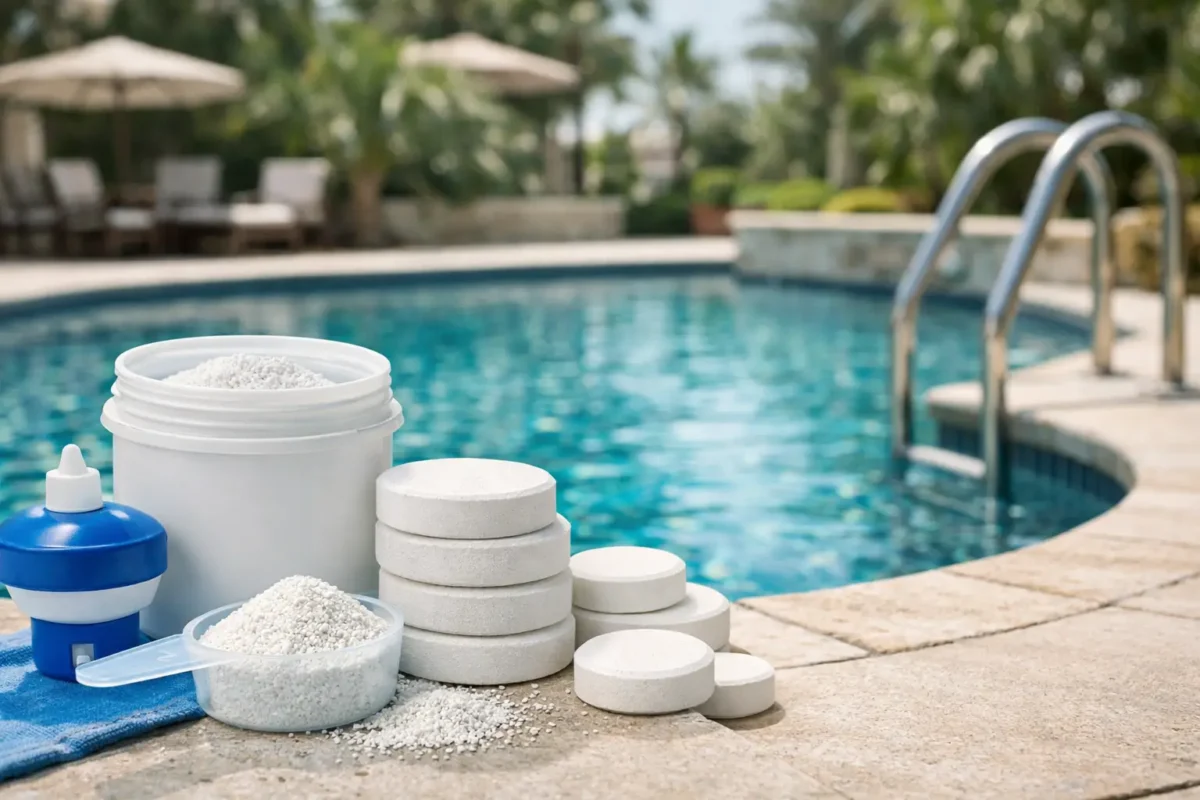
Calcium hypochlorite, commonly called cal hypo, is a granular or tablet-form pool sanitizer with a high available chlorine content. Commercial products commonly contain around 65% to 73% available chlorine, making them a concentrated choice for routine chlorination and targeted shock treatment.

When introduced to pool water, it releases free chlorine. This is the active sanitizer that controls bacteria, algae, and organic contaminants brought in by swimmers, wind, rain, sunscreen, and surrounding landscaping. In practical terms, it provides the chlorine reserve needed to keep water safe, fresh-smelling, and visually clear.

Unlike stabilized chlorine products, calcium hypochlorite does not add cyanuric acid to the water. That distinction matters in pools receiving frequent chlorine treatment. Excess cyanuric acid can reduce chlorine responsiveness, requiring partial draining and refilling to restore balance. Cal hypo offers a useful alternative where stabilizer levels are already elevated or where a maintenance program calls for unstabilized chlorine.

Why Calcium Hypochlorite Performs Well in Pools

The primary advantage of calcium hypochlorite is strength. Because it contains a high concentration of available chlorine, a comparatively small dose can make a meaningful correction to free chlorine levels. This is particularly valuable after heavy pool use, a dust event, high temperatures, or a period of reduced circulation.

It is also a practical product for shock treatment. A properly calculated shock dose can oxidize bather waste and other contaminants that contribute to dull water, odor, and reduced sanitizer efficiency. Pool owners often describe a sharp chlorine smell as evidence of excessive chlorine, but the opposite is frequently true. That odor can indicate chloramines, which form when free chlorine has become tied up with contaminants. Appropriate breakpoint chlorination helps resolve the issue.

For commercial and high-visibility installations, cal hypo can support a disciplined maintenance routine because it delivers predictable chlorine performance when used with accurate water testing. It is not a replacement for professional monitoring, though. Water chemistry is interconnected, and chlorine results should always be assessed alongside pH, total alkalinity, calcium hardness, cyanuric acid, and circulation performance.

Calcium Hypochlorite and Water Balance

Calcium hypochlorite affects more than free chlorine. It has a relatively high pH and adds calcium to the water. Those characteristics can be beneficial or problematic depending on the existing chemistry.

In water with low calcium hardness, cal hypo may contribute gradually toward a more suitable hardness level. In hard-water regions or pools with a history of scale formation, repeated use without testing can push calcium hardness too high. The result may be cloudy water, rough surfaces, restricted water flow, and scale deposits on tile lines, heaters, salt cells, and other equipment.

The same principle applies to pH. Since cal hypo can raise pH, regular testing and correction are essential. Most pool operators aim to maintain pH in the recommended range of approximately 7.2 to 7.8, subject to the pool system, local water conditions, and manufacturer guidance. If pH rises too far, chlorine becomes less effective and scaling risk increases.

This is why premium pool care is not simply about selecting a strong chemical. It is about matching the treatment method to the pool’s makeup water, surface finish, bather load, filtration system, and operational demands.

How to Apply Calcium Hypochlorite Correctly

Always follow the product label, as concentration and application instructions vary by manufacturer. Before dosing, test the water with a reliable kit or professional testing system. Guesswork is not an acceptable standard for a premium pool installation.

With the circulation system running, many cal hypo products should be pre-dissolved in a clean plastic bucket filled with pool water before being distributed around the pool perimeter. Add the chemical to water, never water to chemical. This helps reduce the chance of concentrated material settling on a surface and causing bleaching or damage. Some products are specifically designed for direct application, so the manufacturer label remains the authority.

Do not add calcium hypochlorite through a skimmer unless the product instructions and equipment design specifically permit it. Concentrated chlorine can travel through plumbing and create undesirable exposure for pumps, filters, heaters, or connected equipment. It should also never be placed in an inline feeder intended for trichlor tablets.

For routine treatment, calculate the dose based on the pool volume, current free chlorine reading, and target level. For shock treatment, apply the required amount after sunset where possible, then keep the pump running long enough to distribute the sanitizer thoroughly. Swimmers should stay out of the water until testing confirms that chlorine and pH have returned to a safe operating range.

Storage and Safety Standards Matter

Calcium hypochlorite is highly reactive. Quality chemical handling protects people, property, and inventory. Store it only in its original, tightly sealed container in a cool, dry, well-ventilated area away from direct sun, moisture, and heat sources.

Keep cal hypo separated from acids, petroleum products, fertilizers, paints, solvents, organic materials, and all other pool chemicals. Never mix it with trichlor, dichlor, bromine products, or any unidentified chemical residue. Even a small amount of incompatible material can create heat, toxic gas, fire, or an explosive reaction.

Use a clean, dry scoop reserved only for calcium hypochlorite. Wear appropriate gloves and eye protection while handling the product, avoid breathing dust, and wash hands after use. For commercial sites, chemical rooms should be clearly organized, labeled, ventilated, and accessible only to trained personnel.

These precautions are not excessive. They are part of responsible facility management and protect the long-term reliability of a pool operation.

Is Cal Hypo Right for Every Pool?

Calcium hypochlorite is an excellent choice for many pools, but it is not automatically the best sanitizer for every application. Pools with already high calcium hardness may be better served by another chlorination approach. A pool with delicate finishes, automated dosing equipment, or a specific manufacturer warranty may also require a more tailored program.

Saltwater pools, for example, generate chlorine through a salt cell and may only need supplemental treatment during heavy use or corrective maintenance. Indoor pools often need especially close attention to ventilation, combined chlorine, and bather load. Decorative fountains require separate consideration because their water chemistry, materials, and circulation patterns differ from those of a swimming pool.

The right decision comes from a full assessment, not from selecting chemicals based on price or availability alone. A professional review of test results and equipment condition can prevent recurring cloudiness, scale, corrosion, algae, and unnecessary chemical consumption.

A Better Standard for Pool Chemical Management

Consistent testing is what turns calcium hypochlorite into a dependable maintenance tool. Residential pools may require testing several times each week, while commercial and hospitality pools often require more frequent checks based on usage and local operating requirements. Records should document free chlorine, combined chlorine, pH, alkalinity, hardness, stabilizer, chemical additions, and any unusual operating conditions.

Aquatic Pools and Fountains supports property owners, developers, and facility managers with premium pool chemicals, water-testing solutions, equipment guidance, and technical maintenance support. The goal is not simply to add chlorine. It is to create a controlled water-care program that protects the investment in every pump, filter, finish, light, and aquatic feature.

When water quality starts to drift, respond early. A precise test, the correct calcium hypochlorite dose, and properly maintained circulation can keep a minor adjustment from becoming a costly pool recovery project.

Categories
Uncategorized

Swimming Pool Chemicals for Clear, Safe Water

A pool can look perfectly blue in the morning and become cloudy, irritating, or visibly algae-prone within days when its water balance drifts. In Dubai and across the UAE, intense sun, high temperatures, dust, heavy bather use, and naturally hard source water place extra demands on swimming pool chemicals. The right treatment program protects more than appearance. It supports swimmer comfort, preserves premium finishes, and helps pumps, filters, heaters, and disinfection equipment operate as designed.

For luxury villas, hospitality properties, residential towers, and commercial facilities, chemical care should never be treated as a generic weekly task. It is a controlled water-management process based on testing, correct dosing, circulation, and the needs of the specific installation.

The Role of Swimming Pool Chemicals

Every pool requires a dependable sanitizer, balanced water chemistry, and a method for removing contaminants introduced by swimmers, weather, and the surrounding environment. These objectives work together. A sanitizer cannot perform efficiently in poorly balanced water, and even excellent chemical treatment cannot compensate for inadequate circulation or a neglected filter.

A professional chemical program is designed to maintain clean, clear water while protecting the pool shell, tile, grout, metal fixtures, and mechanical equipment. The best approach depends on pool size, finish, bather load, disinfection system, water source, and whether the property is residential or commercial.

Sanitizers control bacteria and organic contamination

Chlorine remains the most widely used sanitizer because it is effective, proven, and suitable for a broad range of pool applications. It may be introduced as liquid chlorine, granular products, tablets, or through an automated dosing system. The ideal delivery method depends on the pool’s equipment configuration and maintenance schedule.

Saltwater pools also rely on chlorine. A salt chlorinator generates chlorine from dissolved salt, offering convenient on-site production and often a more consistent daily residual. It still requires routine monitoring of pH, stabilizer, salt concentration, and chlorine output. A salt system is not a chemical-free pool.

Bromine is sometimes selected for warm-water environments such as spas, although it is less common for large outdoor pools. Commercial properties may also use supplementary systems such as UV or ozone. These systems can reduce sanitizer demand, but they do not eliminate the need for a measured chemical residual in the water.

pH and alkalinity protect comfort and equipment

pH measures whether water is acidic or alkaline. For most swimming pools, a pH range of approximately 7.2 to 7.6 provides effective sanitizer performance and a comfortable swimming experience. When pH rises too high, chlorine becomes less effective and scale formation can accelerate. When it falls too low, water may become corrosive, potentially affecting metal components, grout, surfaces, and equipment seals.

Total alkalinity acts as a buffer for pH. If alkalinity is too low, pH can swing rapidly after chemical additions, rain, or heavy use. If it is too high, pH becomes difficult to lower and cloudy water or calcium deposits may follow. Maintaining both readings within their recommended ranges creates stable water that is easier to manage and more forgiving between service visits.

Calcium hardness needs attention in the UAE

Calcium hardness is particularly relevant where fill water contains substantial mineral content. Water that is too hard can leave scale on tile lines, heat exchangers, salt cells, and filtration equipment. Scale does not only affect the visual finish of a premium pool. It can restrict flow, reduce heat-transfer efficiency, and shorten the service life of valuable equipment.

Water with insufficient calcium can be aggressive, especially in plaster or cement-based finishes. The correct target varies by surface type and water temperature, so it should be established as part of the pool’s full saturation balance rather than adjusted in isolation. This is one area where professional testing and equipment knowledge add significant long-term value.

Chemicals for Clarity and Algae Prevention

Cloudy water is often blamed on a lack of chlorine, but that is only one possible cause. Fine dust, oils, cosmetics, dead algae, poor filtration, imbalanced pH, and insufficient circulation can all reduce clarity. The correct remedy begins with testing rather than adding multiple products at once.

Shock treatments are used to oxidize accumulated organic waste and restore sanitizer effectiveness. They are especially useful after high bather loads, a sandstorm, visible algae, or an extended period without proper maintenance. The product type and dosage should match the sanitizer system and the pool’s volume. Over-shocking can waste chemicals, affect water balance, and require longer waiting periods before swimming.

Algaecides can be useful as a preventive support product, particularly in warm outdoor pools with strong sunlight exposure. They should not replace sanitation, circulation, or brushing. If algae is already established, the pool generally needs a structured treatment process that includes brushing affected surfaces, correcting water balance, applying the appropriate sanitizer treatment, and cleaning or backwashing the filter.

Clarifiers and flocculants address suspended particles, but they serve different purposes. A clarifier helps the filter capture very fine particles over time. A flocculant causes particles to settle so they can be vacuumed to waste. Using the wrong product, or using too much, may create additional cloudiness or place unnecessary strain on the filtration system. These treatments are best chosen after identifying the cause of the problem.

Testing Is the Foundation of Reliable Treatment

Premium pool care is based on measured readings, not visual judgment alone. Water should be checked frequently for free chlorine, pH, total alkalinity, and other parameters relevant to the installation, including cyanuric acid, calcium hardness, total dissolved solids, and salt level where applicable.

For a private pool with stable use, routine testing several times per week may be appropriate. Hotels, residential communities, schools, and high-traffic facilities need more frequent checks and documented chemical control. Hot weather increases chlorine consumption, while frequent use introduces sweat, sunscreen, body oils, and other contaminants that change the water chemistry quickly.

Digital testing systems and professional photometers provide more dependable information than basic strips alone, particularly when diagnosing persistent issues. A complete test result allows technicians to correct the actual imbalance in the proper sequence. For example, adjusting alkalinity before pH often produces a more stable result than repeatedly chasing pH readings.

Safe Handling and Storage Matter

Pool chemicals are effective because they are reactive products. They must be stored in a dry, cool, well-ventilated location, away from direct heat, moisture, sunlight, fuels, and incompatible materials. Original labeled containers should remain closed when not in use, and chemicals should never be transferred into unmarked containers.

Never mix chemicals together, even if they are both chlorine products. Never add water to chemical products. Instead, follow the product instructions exactly, use clean dedicated measuring tools, and add chemicals separately with the circulation system operating where required. Acid and chlorine products must be kept apart, as accidental mixing can create hazardous fumes.

For commercial properties, controlled access, staff training, personal protective equipment, and clear dosing procedures are essential. Automated dosing can improve consistency, but it must be calibrated, inspected, and supported by manual testing. Automation is a control tool, not a replacement for technical oversight.

Selecting the Right Program for Your Pool

There is no single chemical package that suits every pool. A compact villa pool with low bather load may benefit from a straightforward sanitizer and balance routine, while a hotel pool requires higher monitoring frequency, precise records, and stronger control of bather-related contamination. An infinity-edge pool, heated pool, saltwater installation, or pool with natural stone finishes may also have distinct operating requirements.

The quality of the chemicals matters as much as the treatment schedule. Reliable products with consistent concentration make dosing more predictable and reduce the risk of unwanted residues or unstable readings. Equally, chemical treatment must be matched to the pump capacity, filter media, circulation time, and disinfection equipment already installed.

Aquatic Pools and Fountains supports property owners and facility teams with premium chemical solutions, water testing systems, and technical guidance that align with the demands of high-performance aquatic installations. This integrated approach helps ensure that every product supports the wider system rather than creating a short-term fix.

Clear water is the visible result, but the real standard is controlled water that protects people, surfaces, and equipment day after day. Start with accurate testing, make measured adjustments, and give your pool the same level of technical care expected from the rest of a premium property.

Categories
Uncategorized

Why Choose Variable Speed Pumps for Your Pool?

A pool pump should not have to run at full power all day to keep water clear. For villa pools, hotel facilities, and high-use residential developments, that approach can create unnecessary noise, higher electricity use, and avoidable equipment wear. That is why choose variable speed pumps is a question worth asking before replacing an aging pump or specifying equipment for a new aquatic project.

A variable speed pump gives operators precise control over circulation. Instead of working at one fixed high speed, it can run slowly for routine filtration and increase output only when the pool, water feature, cleaning system, or heating equipment requires it. The result is a more refined, efficient, and reliable pool environment – particularly valuable in the UAE, where pools often operate year-round.

Why Choose Variable Speed Pumps for Better Pool Performance

The central advantage is simple: most pools do not need maximum flow all the time. Standard single-speed pumps are designed to operate at one setting, whether the pool needs gentle daily filtration or stronger circulation for vacuuming and water-feature operation. Variable speed pumps match output to the actual task.

At lower speeds, water still passes through the skimmers, filter, and treatment equipment, but with less energy demand and lower hydraulic stress. A programmed higher-speed cycle can then support backwashing, manual cleaning, spa jets, fountains, waterfalls, or a heater’s required flow rate. This tailored operation improves overall system control without sacrificing water quality.

For premium properties, the difference is often noticeable from the first day. The equipment area is quieter, circulation becomes more consistent, and the pool can be managed around the property’s schedule rather than the limitations of a fixed-speed motor.

Lower energy use without reducing filtration quality

Pumping water requires energy, and high-speed operation consumes considerably more power than low-speed circulation. The relationship is not linear: when pump speed is reduced, power demand can fall dramatically. Running longer at a lower speed can therefore provide the circulation a pool needs while using less electricity than a shorter high-speed cycle.

Actual savings depend on pool volume, pipe size, filter condition, operating hours, local utility rates, and the selected pump model. A poorly designed system or incorrect programming can reduce the expected benefit. However, when the pump is correctly sized and commissioned, variable speed technology is one of the most effective equipment upgrades for lowering ongoing pool operating costs.

This matters for large villas with generous pool volumes, hospitality properties with extended operating hours, and facility managers responsible for multiple pools. The investment is not only about reducing a monthly utility bill. It is about building a system that performs efficiently every day, season after season.

A quieter experience around the pool

Luxury pool environments are designed for comfort. A loud pump cycling near a terrace, garden, guest room, or outdoor dining area can undermine that experience. Variable speed pumps operate far more quietly during normal low-speed filtration because the motor and water flow are not constantly working at maximum output.

This is especially useful for residential pools that run overnight or during early morning hours. Hotels, apartment communities, and wellness facilities also benefit because quieter operation supports a more polished guest and resident experience. The improvement is practical, but it is also part of the quality standard expected from a premium aquatic installation.

Longer-lasting equipment and more stable water care

A fixed-speed pump repeatedly exposes plumbing, valves, filters, and fittings to high flow and pressure. That does not mean fixed-speed equipment is unsuitable, but it can place greater strain on the system when full output is not necessary. Variable speed operation reduces that strain during most daily circulation periods.

Lower flow can also improve filtration. Water moves through the filter at a more controlled rate, giving the media more opportunity to capture fine debris. Chemical distribution may become more even as well, provided circulation programming is coordinated with sanitization and dosing equipment.

A variable speed pump is not a substitute for balanced water chemistry, routine cleaning, or professional maintenance. Filters still need attention, baskets still need emptying, and water testing remains essential. What it does provide is a steadier foundation for those processes, helping the entire circulation system operate with greater consistency.

When Variable Speed Pumps Make the Most Sense

Variable speed pumps are an excellent fit for most modern residential and commercial pools, but they are particularly valuable where operating demands change throughout the day. A pool with a heater, chiller, salt chlorinator, automated controls, spa, suction cleaner, or decorative water feature benefits from having multiple programmed speeds available.

For example, a villa pool may run a quiet low-speed filtration cycle during the day, increase speed for a scheduled cleaning period, and operate at a specific flow rate when heating or cooling is active. A hotel pool may require higher circulation during peak guest hours and lower output overnight. Rather than forcing the system into a single operating mode, the pump adapts to the property’s real needs.

Water features require careful consideration. A waterfall, fountain, deck jet, or laminar feature often needs a specific flow rate to achieve its intended visual effect. The pump can be programmed to provide that flow when the feature is switched on, then return to an efficient filtration speed when it is off. This protects the elegance of the design while controlling unnecessary energy use.

New builds, renovations, and pump replacements

New construction is the ideal time to plan a variable speed system. Pump capacity, pipe diameters, filter selection, hydraulic layout, automation, and feature requirements can all be assessed together. This helps ensure the equipment is sized for efficient real-world operation rather than simply selected for the highest possible flow.

For renovation projects, replacing an old single-speed pump can also be a strong upgrade. Compatibility should be checked first. Existing plumbing, electrical supply, filter condition, heater requirements, and control systems all affect the final specification. A pump that is oversized, undersized, or incorrectly connected will not deliver the performance expected from premium equipment.

At Aquatic Pools and Fountains, this assessment is part of a complete equipment approach. Selecting a pump is not only a catalog decision. It should account for water volume, bather load, feature demands, filtration equipment, installation conditions, and the level of control the property owner or facility team requires.

What to Consider Before Selecting a Variable Speed Pump

The best pump is not necessarily the one with the highest horsepower. Correct sizing is more important than maximum output. An experienced technician should calculate the required flow rate and account for total dynamic head – the resistance created by pipe runs, fittings, elevation changes, filters, heaters, and other equipment.

Pool turnover requirements also deserve attention. The goal is to circulate the complete pool volume within an appropriate period while maintaining effective filtration and sanitization. In hot climates, heavy sun exposure, frequent swimming, windblown debris, and water temperature can all increase the demands placed on the system. A well-programmed pump schedule should respond to these conditions instead of following a generic timer setting.

Controls are another key factor. Many variable speed models offer onboard digital controls, while others can integrate with automation systems. For property managers, automation can simplify daily operation by coordinating pump speeds with lighting, heating and cooling, sanitization, and water features. For homeowners, it offers the convenience of dependable performance without constant manual adjustments.

It is also wise to consider service access and long-term support. Premium equipment should be installed with enough space for inspection, basket cleaning, and maintenance. Reliable technical support, genuine parts availability, and correct commissioning protect the value of the investment long after installation.

A Smarter Standard for Modern Pool Systems

Choosing variable speed technology is not merely an energy-efficiency decision. It is a decision to operate a pool with more control, lower noise, and equipment performance suited to the property’s actual use. The initial purchase cost can be higher than a basic fixed-speed pump, so the right choice depends on system requirements, daily runtime, and expected operating savings. For pools that run frequently, include advanced equipment, or must meet premium residential or commercial standards, the long-term case is often compelling.

A professional review of the hydraulic system and operating schedule will identify the speed range, flow requirements, and automation options that make sense for your pool. That careful planning turns a pump upgrade into a quieter, more efficient foundation for clear water and a better pool experience every day.

Categories
Uncategorized

Best Fountain Nozzle Patterns for Luxury Projects

A fountain’s visual impact is decided at the nozzle, not after the water is in the basin. The best fountain nozzle patterns create a deliberate architectural statement: a quiet sheet of water at a villa entrance, a tall central plume in a hotel courtyard, or a choreographed display that gives a retail or corporate property a memorable focal point. Selecting the right pattern requires more than choosing an attractive spray. It requires matching water behavior to the site, basin, pump capacity, wind exposure, lighting design, and maintenance plan.

For premium projects in Dubai and across the UAE, that balance is especially critical. Heat, wind, mineral deposits, and high public visibility place greater demands on every fountain component. A well-designed nozzle arrangement delivers elegance consistently, while the wrong selection can create excessive splash, water loss, uneven performance, and unnecessary service requirements.

Best Fountain Nozzle Patterns by Design Intent

The most suitable pattern depends on what the feature must achieve. Some installations need height and presence from a distance. Others need refined movement that can be enjoyed close to seating areas, entrances, or interior spaces.

Single Jet Nozzles for Height and Definition

A single jet produces a clean, concentrated stream with a strong vertical profile. It is one of the most versatile choices for centerpieces in round, square, or formal reflecting pools. When specified correctly, it gives a crisp, confident look that suits villa forecourts, hotel entrances, and commercial landscapes.

The advantage is visual clarity. A single jet can be scaled up for dramatic height or kept low for a restrained residential design. It also works effectively with underwater LED lighting, where the stream becomes a defined column after dark. The trade-off is wind sensitivity. Taller jets need a generously sized basin and careful height control, particularly in exposed outdoor locations.

Bell Nozzles for Calm, Architectural Water

Bell nozzles create a smooth, dome-like sheet of water. The pattern is elegant and controlled, making it a strong choice for luxury villas, indoor lobbies, covered courtyards, and features close to walkways. Unlike high sprays, a properly tuned bell has minimal noise and limited splash.

This pattern depends on stable water pressure and level installation. Even a slight obstruction or uneven nozzle position can distort the water curtain. For that reason, premium bell fountain installations benefit from quality filtration, accessible service points, and regular cleaning. In a calm or sheltered setting, few patterns deliver a more polished appearance.

Fan Nozzles for Wide, Sculptural Displays

A fan nozzle spreads water into a broad, flat arc or vertical fan. It brings width to a feature without requiring the basin depth or vertical clearance of a large central jet. Designers often use fan patterns in linear fountains, wall-adjacent basins, and contemporary landscape schemes where the fountain needs to complement horizontal architecture.

Fans are visually impressive under directional lighting because the edges of the water catch the light. However, they are more vulnerable to wind than compact streams. They should be positioned in protected zones or specified at lower heights for outdoor sites. In exposed commercial developments, a lower, layered fan design is often more reliable than a single oversized fan.

Tiered and Multi-Jet Patterns for Formal Grandeur

Tiered displays use several nozzles at graduated heights, often with a central jet surrounded by smaller sprays. This arrangement creates depth, rhythm, and a strong sense of occasion. It is particularly effective for hotel arrival areas, large villa landscapes, roundabouts, and high-visibility commercial properties.

The strength of a tiered fountain is its balanced composition. Rather than relying on one dramatic stream, it creates a complete water sculpture from multiple elements. The system must be hydraulically balanced so each nozzle receives the correct flow and pressure. Poor balancing can leave outer jets weak or cause inconsistent heights, which immediately reduces the premium appearance of the installation.

Spray Ring Nozzles for Circular Centerpieces

A spray ring uses a circular manifold fitted with multiple small nozzles. The result can be an inward or outward ring of streams, sometimes combined with a central geyser or foam jet. This is a proven option for large circular basins because it fills the footprint evenly and gives the fountain a finished, symmetrical appearance.

Spray rings can be subtle or dramatic depending on nozzle angle, spacing, and pump output. They also provide flexibility for programmable lighting and variable-speed operation. For public-facing properties, this versatility is valuable: the fountain can run at an efficient daytime setting and move to a more dramatic illuminated display in the evening.

Foam Jets for Texture and Wind Resistance

Foam jets, also called aerated jets, produce a bright white, textured column of water. Air mixes with the water stream, creating a fuller appearance than a clear jet of the same diameter. This makes foam jets an excellent choice when a project needs visible impact without extreme height.

Their denser, more cohesive water form generally performs better in breezy conditions than fine spray patterns. They are well suited to outdoor hospitality spaces, resort pools, large residential landscapes, and commercial entrances. Because the pattern is naturally luminous, foam jets pair exceptionally well with LED lighting. The main consideration is noise: aerated water creates more sound than a bell or smooth laminar stream, which may be desirable in a busy outdoor environment but less suitable beside a quiet seating area.

Laminar Jets for Precision and Interactive Features

Laminar nozzles produce crystal-clear, glass-like arcs. The stream appears almost solid as it travels from one point to another, making it ideal for modern fountains, architectural water walls, and interactive designs. When illuminated, a laminar jet can carry light through the water arc, creating a refined nighttime effect.

This pattern demands clean water, precise pressure, and careful setup. It is not the practical choice for every large outdoor fountain, especially where wind is significant. But for sheltered courtyards, luxury residential projects, and controlled commercial interiors, laminars offer a level of precision that ordinary spray nozzles cannot match.

How to Select the Right Fountain Nozzle Pattern

Aesthetic preference should start the conversation, but it should not end it. The basin geometry is the first technical consideration. Every pattern has a splash radius, and the basin must contain it comfortably at normal operating pressure. A nozzle that looks modest in a product specification can throw water well beyond its expected range when pump pressure is too high or wind changes direction.

Pump selection is equally important. Nozzles are rated for specific flow and pressure ranges, so choosing a pump based only on horsepower is not enough. The system must account for pipe length, pipe diameter, elevation, filters, valves, and friction losses. Professional hydraulic sizing ensures the pattern reaches its intended height and shape without wasting energy or placing unnecessary stress on equipment.

Water quality has a direct effect on presentation. Fine nozzles, laminar units, and bell patterns can be affected by debris, scale, or mineral buildup. Reliable filtration, appropriate water treatment, and routine inspections preserve the pattern and extend the life of the nozzle. Stainless steel or high-grade brass components are often preferred for premium applications because they provide strength, corrosion resistance, and a refined finish.

Lighting should be planned alongside the nozzle layout rather than added later. A low bell may need soft, wide illumination, while a tall foam jet benefits from a concentrated uplight. Color-changing LED systems can create a strong evening identity for hotels and commercial developments, but white light often delivers the most timeless result for villas and formal architecture.

Choosing Patterns for Common Property Types

For luxury villas, lower bell nozzles, laminars, and compact foam jets often provide the right level of elegance without overwhelming the landscape. A formal villa entrance may benefit from a single central jet with a surrounding low spray ring, especially when the basin is large enough to control splash.

Hotels and resorts typically need a stronger visual signature. Tiered multi-jet arrangements, foam clusters, and illuminated rings create impact at arrival zones and outdoor dining areas. The final choice should account for guest comfort, acoustic levels, and the operating hours of the feature.

For commercial towers, retail destinations, and public spaces, durability and controllability become central. Nozzle arrays that can operate in zones allow facility teams to adjust the display for weather, events, and maintenance. Lower, denser patterns are often a more dependable investment than very high sprays in open sites.

Aquatic Pools and Fountains supports clients with nozzle selection, hydraulic coordination, installation, and maintenance planning so the finished feature performs as well as it looks. The right equipment is only one part of a successful fountain. Precision in design, commissioning, and ongoing care protects the investment long after opening day.

A fountain should feel intentional from every viewing angle, in daylight and after dark. Choose the pattern that respects the architecture, suits the local conditions, and can maintain its visual standard season after season.

Categories
Uncategorized

Best Pool Test Strips for Clear, Balanced Water

A pool can look perfectly blue while its water chemistry is moving in the wrong direction. In hot climates, heavy bather use, direct sun, dust, and frequent top-ups can change sanitizer levels quickly. The best pool test strips give property owners and facility teams a fast, practical way to see what the water needs before a minor imbalance becomes cloudy water, scaling, corrosion, or an uncomfortable swimming experience.

For villas, hotels, residential communities, and commercial properties, test strips are not a replacement for professional water analysis. They are an essential first line of control. A quality strip provides a dependable daily or several-times-weekly reading, helping operators make measured chemical adjustments and recognize when a more detailed test is required.

What the Best Pool Test Strips Should Measure

Not every strip measures the same parameters. Basic products may only check chlorine and pH, which can be useful for quick checks but leave out chemistry that directly affects water comfort, equipment protection, and sanitizer performance. For a premium pool environment, choose a multi-parameter strip that matches the treatment system and the demands placed on the pool.

The best pool test strips commonly measure free chlorine, pH, total alkalinity, and cyanuric acid, also called stabilizer. Free chlorine indicates the amount of active sanitizer available to protect swimmers. pH affects swimmer comfort, chlorine efficiency, and the risk of corrosion or scale. Total alkalinity acts as a buffer, helping prevent sharp pH swings. Cyanuric acid is particularly relevant in outdoor pools because it protects chlorine from sunlight, although excessive levels can reduce chlorine effectiveness.

For many pools, hardness testing also matters. Calcium hardness that is too low can encourage corrosive water conditions, while excessive hardness can contribute to scale on tiles, heaters, pumps, filters, and decorative fittings. Saltwater pools should use strips that include salt readings or be supported by a dedicated salt test, as the salt cell depends on an appropriate concentration to produce chlorine effectively.

A strip that measures six or seven parameters is often the right choice for a professionally maintained residential pool or a commercial facility. However, more readings do not automatically mean better performance. Select strips with only the parameters your pool team can interpret and manage accurately.

Best Pool Test Strips: Accuracy Starts With Quality

The difference between a premium test strip and a low-grade alternative is not simply the number of color pads. It is the consistency of the reagent pads, the clarity of the color chart, the protection of the packaging, and the manufacturer’s quality control. Vague color blocks and poorly sealed containers create uncertainty at precisely the moment when a clear decision is needed.

Look for strips supplied in moisture-resistant containers with a tight lid and a visible expiration date. Heat and humidity can degrade the reactive pads, so stock should be stored indoors, away from direct sunlight and pool chemicals. This is especially relevant for properties where pool stores, pump rooms, or outdoor cabinets become very warm.

Color charts should be easy to read in natural light. Some strips require an immediate comparison, while others require a short wait period. Neither method is inherently superior, but the instructions must be followed exactly. Reading too early or too late can produce a misleading result.

For facility managers, consistency across the team is equally important. Using one high-quality strip system and one documented procedure makes records easier to compare over time. A sudden change in readings is then more likely to represent a genuine water-quality issue rather than a difference in testing method.

Choosing Strips for Your Pool Type

Pool chemistry changes according to construction, disinfection method, water source, and usage. A strip suitable for a small private pool may not provide enough information for a hotel or a busy residential complex.

For a standard chlorine pool, prioritize free chlorine, pH, total alkalinity, stabilizer, and hardness. Avoid relying solely on total chlorine. Total chlorine includes both effective chlorine and combined chlorine, the latter being associated with the familiar chloramine odor and potential irritation. Knowing free chlorine offers a more useful indication of active sanitation.

For saltwater pools, choose a strip designed for salt systems and continue to test free chlorine, pH, alkalinity, stabilizer, and hardness. A salt chlorinator is a chlorine generator, not a chemistry-free solution. Salt cells, sensors, and pool finishes still need balanced water to perform reliably.

For spas and heated pools, fast and frequent testing is essential. Higher water temperatures can increase sanitizer demand and accelerate chemical changes. Select strips rated for spa use, and verify that their chlorine or bromine scale suits the system in place.

For commercial pools, strips are valuable for operational checks between formal testing intervals. They should support, not replace, professional photometer, digital, or laboratory-grade testing where regulations, high bather loads, and documented water-quality standards apply. The right approach depends on the property’s operating requirements and maintenance protocol.

How to Use Pool Test Strips Correctly

Even the best strip cannot compensate for poor sampling technique. Take the sample from elbow depth, away from return jets, skimmers, chemical feeders, and the pool edge. Water near these areas may not represent the chemistry of the pool as a whole.

Remove one strip with dry hands and close the container immediately. Dip it briefly according to the manufacturer’s instructions, remove it without shaking off excess water unless directed, and hold it level. Compare each pad to the chart at the specified time. A phone timer is a simple way to prevent guesswork.

Do not test immediately after adding chemicals. Allow the circulation system enough time to distribute the product fully, then retest before making another major adjustment. Adding several chemicals based on one questionable reading can create a larger correction problem and put unnecessary stress on pool equipment and finishes.

Record the result, the time, recent chemical additions, and any visible water condition. This small discipline is highly valuable in large properties. It helps maintenance teams identify recurring patterns, such as sanitizer loss after peak use, gradual stabilizer buildup, or pH drift caused by aeration from water features.

When Test Strips Need Professional Support

Test strips are designed for speed and convenience, but certain situations call for more precise analysis. Persistent cloudy water, algae, strong chlorine odor, eye irritation, rapid chlorine loss, scale formation, metal staining, or repeated pH instability should be investigated beyond a strip result.

The same applies when a pool is newly filled, reopened after extended closure, converted to a new disinfection system, or connected to specialized equipment such as heaters, salt chlorinators, UV systems, or automated chemical controllers. These systems benefit from balanced chemistry, and an inaccurate adjustment can affect both performance and service life.

A premium supplier and technical service partner can help verify water readings, identify the underlying cause, and recommend the correct chemicals and equipment settings. Aquatic Pools and Fountains supports this more complete standard of care with quality water-testing solutions, pool chemicals, equipment guidance, and maintenance expertise for residential and commercial installations.

A Smart Buying Checklist

Before purchasing, confirm that the test strips provide the readings your pool actually requires. The following points separate a practical product from one that will sit unused in the pump room:

  • Measure free chlorine, pH, alkalinity, stabilizer, and hardness for most outdoor chlorine pools.
  • Choose a salt-specific option when operating a saltwater chlorinator.
  • Check the expiration date and select sealed, moisture-resistant packaging.
  • Make sure the color chart is clear and the testing instructions fit your team’s routine.

Do not purchase an oversized quantity simply because the unit cost appears lower. Fresh strips are more valuable than a large supply that has been exposed to heat or stored beyond its usable date. For a villa, a modest quantity that is replaced regularly is usually sensible. For hotels and property portfolios, planned replenishment and controlled storage provide better value and more dependable readings.

Clear water is the visible result of disciplined testing, proper circulation, effective filtration, and carefully balanced treatment. Keep quality test strips on hand, use them consistently, and treat an unexpected reading as an early opportunity to protect the pool, the equipment, and every person who uses it.

Categories
Uncategorized

Best Pool Vacuum Heads for Clean, Clear Pools

A pool can look immaculate from the deck while fine sand, settled dust, leaves, and algae spores collect across its floor. The best pool vacuum heads remove that material efficiently without scratching the finish, losing suction, or forcing maintenance teams to repeat the same work. For premium villas, hospitality facilities, and commercial properties, this seemingly simple accessory has a direct effect on water clarity, surface condition, and the time required for routine cleaning.

A vacuum head should never be selected on price alone. Pool shape, interior finish, debris load, hose size, and the strength of the filtration system all influence the right choice. A well-matched head creates a consistent seal against the floor, guides debris toward the suction point, and reaches areas where dirt naturally settles. The wrong one can float, stick in place, miss corners, or place unnecessary strain on the pump.

What Makes the Best Pool Vacuum Heads Different?

The strongest vacuum heads balance coverage, maneuverability, and durability. A wide commercial-style head may clean a large rectangular pool quickly, but it can be awkward around tight steps, curved walls, or decorative ledges. A compact weighted head can follow contours more closely, though it will take longer to cover a large pool floor.

Weight is one of the most important details. A properly weighted vacuum head stays in contact with the surface rather than lifting as water moves through the hose. This improves pickup and reduces the need for repeated passes. However, excessive weight is not always better. On delicate tiled finishes, a very heavy unit with poor-quality wheels or exposed hardware can mark grout lines or create unnecessary wear.

Construction quality also matters in high-use environments. Premium vacuum heads typically use UV-resistant molded bodies, corrosion-resistant metal components, durable brushes, and non-marking wheels. These features are especially valuable for outdoor pools exposed to intense sun, heat, and fine airborne dust. For hotels, residential towers, and facility management teams, durable equipment also means fewer replacements and more predictable maintenance costs.

Choose a Vacuum Head for the Pool Surface

The pool interior is the starting point for selection. Different finishes require different contact points and cleaning action.

Concrete, plaster, and exposed aggregate pools

Concrete and plaster surfaces often benefit from a weighted vacuum head with sturdy nylon brushes. The brushes loosen fine debris from slightly textured finishes while the suction removes it. For older plaster pools, this combination can be particularly useful because small surface imperfections tend to hold sediment.

Choose wheels that roll freely and a body with smooth edges. A pool vacuum head should clean the surface, not become another source of abrasion. Where aggregate is more pronounced, a model with flexible brush sections can maintain better contact across uneven areas.

Tile, mosaic, and premium finished pools

Tile-lined pools demand greater care. Non-marking wheels and soft brushes are essential, particularly in luxury installations where the finish is a major visual feature. Avoid heads with rough, rigid contact surfaces or unprotected metal parts that could scrape tile edges and grout.

A flexible weighted head is often the better choice for mosaic finishes because it can follow subtle changes in level. It may cost more than a basic flat head, but it protects a high-value finish and produces a more complete clean.

Vinyl liner and fiberglass pools

Vinyl and fiberglass pools need a smooth, surface-safe vacuum head. Soft brushes are useful, but the head should not have sharp corners, aggressive bristles, or wheels that can trap grit. The aim is to lift fine debris without pulling, scuffing, or stressing the liner.

For fiberglass pools with contoured floors, a flexible head can offer better coverage than a rigid, wide model. The trade-off is that it may require slower movement to prevent the hose from pulling the head off line.

Width, Shape, and Movement Matter

Vacuum head width should match the pool’s layout and maintenance routine. Wide heads, generally suited to large open floors, help operators clean faster. They are a practical choice for lap pools, hotel pools, and expansive villa pools with long straight runs. Their broad suction path reduces the number of passes needed to clear settled debris.

Narrower heads are better for pools with curved edges, narrow channels, steps, tanning ledges, and detailed architectural features. They provide more control and can reach areas a wide head may leave behind. Many professional maintenance teams keep more than one head available rather than expecting one accessory to perform every task.

The head’s shape influences how well it tracks. A triangular head can be useful for corners and tight angles. A flexible rectangular head generally provides effective coverage across large floors while adapting to minor contours. A rigid rectangular design offers steady movement on flat surfaces but may struggle around transitions and curved areas.

Wheels improve mobility, but they must be appropriate for the surface. Non-marking wheels are the premium standard for finished pools. They make it easier to guide the head without dragging it across the surface, while also helping maintain a reliable suction seal. Inspect wheel axles regularly, as trapped sand and debris can stop them from turning freely.

Suction Compatibility Is Not Optional

A high-quality vacuum head cannot perform well if it does not work correctly with the hose, telescopic pole, skimmer line, or dedicated vacuum point. Before purchasing, confirm the connection diameter and the intended method of manual vacuuming. Most professional systems use standard fittings, but assumptions can lead to air leaks, weak suction, and frustrating cleaning sessions.

Adequate suction depends on more than the head. A clogged skimmer basket, dirty pump basket, blocked hose, full filter, or poorly positioned multiport valve can reduce performance. If the vacuum head suddenly appears ineffective, the issue may be elsewhere in the circulation system.

For pools with variable-speed pumps, manual vacuuming may require temporarily increasing pump speed. This creates the flow needed to move debris through the hose and into the filtration system. The correct setting depends on the pool volume, hose length, filter condition, and amount of debris. Running at the highest speed longer than necessary adds energy use without improving the result once the pool is clean.

Essential Features for Professional Pool Maintenance

When comparing vacuum heads for a premium property or commercial facility, focus on the features that support reliable daily use:

  • A weighted body that stays on the floor and maintains suction contact.
  • Flexible construction for curved floors, slopes, and detailed pool designs.
  • Soft brushes suited to the pool finish and non-marking wheels for protected movement.
  • UV-resistant, corrosion-resistant materials built for outdoor conditions.
  • Standard, secure connections for the vacuum hose and telescopic pole.

For facilities with frequent cleaning schedules, it is worth investing in commercial-grade construction. Lightweight budget heads may be acceptable for occasional use in a small pool, but they commonly flex under pressure, crack in the sun, or lose wheel performance. A durable head is a better operational decision when a pool must remain presentation-ready every day.

How to Use a Vacuum Head Without Losing Suction

Even the best equipment needs correct setup. Connect the vacuum head to the telescopic pole, attach the hose, and then fully fill the hose with water before connecting it to the skimmer or vacuum port. This removes air that could interrupt suction or cause the pump to lose prime.

Move the head slowly in overlapping lines, similar to mowing a lawn. Fast movements stir dirt into the water column, making it harder for the filter to capture immediately. Slow, controlled passes keep debris in the suction path and reduce the chance of missing sections.

For heavy dust, sand, or algae residue, monitor the filter pressure throughout the task. Cleaning a very dirty pool can load the filter quickly. Depending on the filter type and the debris involved, backwashing, rinsing, or cartridge cleaning may be required before normal circulation resumes.

After use, rinse the vacuum head, hose, and pole with clean water. Store the head out of direct sun where possible, and do not leave it resting on a finished pool surface for extended periods. Small maintenance habits preserve the equipment and help protect the pool’s visual standard.

When a Manual Vacuum Head Is the Right Choice

Robotic cleaners provide convenience, but manual vacuum heads remain essential for targeted work. They are highly effective after a dust storm, during pre-event preparation, after landscaping work, or when debris has settled in a specific area. They also allow a trained technician to inspect the pool floor closely while cleaning, identifying staining, damaged grout, loose fittings, or early signs of algae.

For luxury residences and commercial properties, the most effective approach is often a combination: automated cleaning for routine coverage and a professional manual vacuum system for precision cleaning. Aquatic Pools and Fountains can help specify surface-safe, durable vacuum equipment that fits the pool design, filtration setup, and maintenance demands of the property.

The right vacuum head should feel controlled, stable, and purposeful from the first pass. Select it according to the finish and layout of the pool, maintain the filtration system behind it, and a clear, polished pool floor becomes far easier to preserve.

Categories
Uncategorized

Choosing a Heat Cool Pump Supplier in Dubai

A swimming pool in Dubai should be ready when the property is ready to enjoy it. Summer water can become uncomfortably warm, while cooler winter evenings can limit use without dependable heating. Choosing the right heat cool pump supplier is therefore not simply a product purchase. It is a decision that affects comfort, operating cost, equipment life, and the long-term value of a villa, hotel, residential tower, or commercial leisure facility.

A premium heat-cool pump gives pool owners control over water temperature across changing conditions. The strongest result comes from matching the equipment to the pool, installing it correctly, and having qualified support available after commissioning. That combination matters far more than selecting a unit based on capacity or price alone.

What Sets a Quality Heat-Cool Pump Supplier Apart

A heat-cool pump is designed to heat or cool pool water by transferring thermal energy efficiently. In the UAE, this dual capability is especially valuable. Many pools require cooling through the hottest months, yet owners still expect comfortable swimming temperatures during winter, at night, or during seasonal weather shifts.

The supplier should begin with the complete operating requirement, not with a model number. Pool volume is part of the calculation, but it is not the whole picture. Water surface area, depth, exposure to sun and wind, desired temperature range, circulation hours, pool cover use, and bather load all influence the appropriate equipment selection.

For a private villa pool, the priority may be quiet operation, discreet placement, and simple temperature control. A hospitality pool or residential development may require higher capacity, stronger corrosion protection, advanced automation compatibility, and equipment that can sustain extended daily operation. The right supplier understands the difference and recommends accordingly.

Product availability also matters. A project can lose valuable time when a specified unit, compatible fittings, electrical components, or replacement parts are unavailable. Working with an established supplier that maintains broad stock and supports recognized global brands gives property owners and project teams greater confidence from procurement through installation.

Heat Cool Pump Supplier Selection Starts With Proper Sizing

An oversized unit can raise the initial investment without delivering proportionate benefits. An undersized unit may run continuously, struggle to achieve the set temperature, and place unnecessary stress on the system. Correct sizing protects both comfort and efficiency.

Look Beyond Pool Volume

Pool volume provides a starting point, yet it must be assessed alongside site conditions. A shallow pool with full afternoon sun behaves differently from a deeper, shaded indoor pool of the same volume. Similarly, an infinity-edge pool, a high-rise rooftop installation, or a fountain-integrated water feature may experience greater heat loss or gain due to wind and evaporation.

A technical assessment should establish the target water temperature and the realistic time required to reach it. For example, a family villa may accept gradual temperature adjustment over several hours, while a hotel or fitness facility often needs a more responsive solution to meet guest expectations every day.

The circulation system must also be considered. The heat-cool pump needs suitable water flow to perform efficiently. Existing pumps, filters, pipe sizes, valves, and bypass arrangements should be reviewed before installation. A premium unit cannot compensate for poor hydraulic design.

Choose Equipment Built for Local Conditions

Dubai’s climate places particular demands on outdoor pool equipment. High ambient temperatures, dust, humidity in coastal areas, and intensive seasonal use can challenge inferior components. Quality heat-cool pumps should feature durable cabinets, corrosion-resistant heat exchangers, reliable compressors, and controls that remain practical for property staff and homeowners.

Noise level is another important consideration, particularly for villas, courtyards, rooftop pools, and hotel guest areas. A lower-noise unit may carry a higher upfront cost, but it can be the better choice where equipment is located near bedrooms, terraces, dining spaces, or neighboring properties.

Efficiency should be evaluated in real operating terms. The lowest purchase price is not always the lowest cost over time. Equipment with effective inverter technology and accurate temperature management can reduce unnecessary energy consumption by adjusting output rather than constantly operating at maximum capacity. Actual performance still depends on installation quality, water flow, ambient conditions, and how the pool is used.

Installation Quality Determines Long-Term Performance

A heat-cool pump requires more than a clear spot beside the pool. It needs correct positioning, adequate ventilation, a stable base, properly sized pipework, safe electrical connection, and a hydraulic layout that allows efficient flow and straightforward maintenance.

Outdoor units need sufficient clearance to draw in and discharge air. Positioning a unit in a tight enclosure or against a poorly ventilated wall can reduce performance and may lead to repeated faults. Technicians should also account for drainage from condensation, service access, vibration control, and the direction of operational noise.

Electrical work must be planned to match the unit’s requirements and the property’s available supply. Protection devices, cable sizing, isolation points, and control integration are not details to leave until the end of the project. They are central to safe and reliable operation.

For new builds, the best time to plan heat-cool equipment is during the pool design stage. This allows the equipment area, pipe routes, drainage, and electrical infrastructure to be organized cleanly. For existing pools, a site inspection is essential before recommending a retrofit solution. The goal is to improve water comfort without compromising the appearance or function of the surrounding space.

Service Support Is Part of the Equipment Decision

Pool temperature equipment performs at its best when it is maintained as part of the wider pool system. Dirty filters, restricted water flow, poor water balance, or neglected circulation pumps can all reduce heat-cool pump performance. A supplier with technical service capability can identify whether an issue originates in the temperature unit itself or elsewhere in the installation.

Routine maintenance typically includes inspecting water flow, cleaning the surrounding area, checking electrical connections, confirming control settings, and reviewing the condition of valves and pipework. Water chemistry also deserves close attention. Properly balanced water helps protect connected equipment and supports a cleaner, more comfortable swimming environment.

Commercial properties should consider maintenance planning from the outset. Hotels, community pools, schools, and leisure facilities cannot afford extended downtime during peak use. Access to knowledgeable technicians, genuine parts, and responsive support reduces disruption and helps protect the property’s operating standards.

A Complete Pool Solution Delivers Better Results

The heat-cool pump should work as part of a coordinated pool environment. Filtration, circulation, disinfection, automation, covers, lighting, and water treatment all affect how efficiently the pool operates and how enjoyable it feels. Treating each component as a separate purchase can create compatibility issues and make future maintenance more difficult.

Aquatic Pools and Fountains supports clients with premium equipment selection, installation guidance, and ongoing service for residential and commercial aquatic projects across Dubai and the UAE. This full-scope approach helps ensure the selected temperature-control solution suits the pool’s design, technical requirements, and expected level of use.

For developers and facility managers, this coordination also helps create consistent standards across multiple properties. For villa owners, it offers a more straightforward path from consultation to dependable operation, without needing to manage separate equipment vendors and service providers.

Questions to Ask Before You Buy

Before appointing a supplier, ask whether the recommendation is based on a site assessment and a clear understanding of your pool’s volume, exposure, operating schedule, and desired temperature range. Confirm the equipment brand, warranty coverage, expected power requirements, noise rating, and the availability of installation and maintenance support.

It is also wise to ask how the unit will integrate with existing filtration and automation equipment. If cooling is a priority during the hottest months, make that requirement explicit. Some buyers focus only on heating capacity and later discover that their pool remains too warm for comfortable use in summer.

A well-selected heat-cool pump turns a pool from a seasonal feature into a more dependable part of the property. The best choice is not simply the largest unit or the lowest quote. It is the system that is correctly sized, professionally installed, and supported by people who understand premium aquatic environments long after the equipment is switched on.