
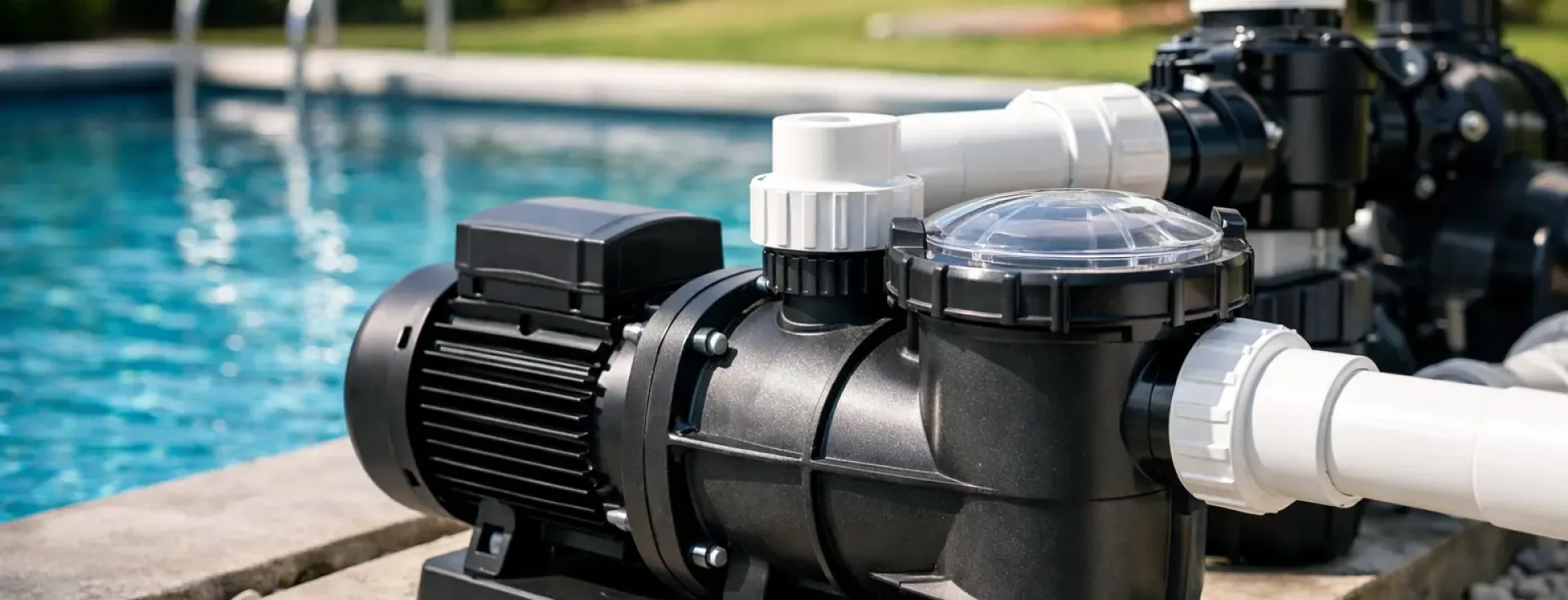
A pool that looks clear at first glance can still be underperforming where it matters most – circulation, sanitation, and equipment protection. That is why pool pumps sit at the center of every serious residential and commercial pool system. When the pump is correctly selected, installed, and maintained, water stays cleaner, chemical treatment works more effectively, and the entire system runs with greater consistency.
For villa owners, hospitality operators, developers, and facility teams, the real question is not simply whether a pump moves water. The question is whether it can do so efficiently, quietly, and reliably under the demands of the property. In premium environments, that distinction matters.
Why pool pumps matter more than most buyers expect
Pool pumps do more than circulate water from the pool to the filter and back again. They support filtration, help distribute chemicals evenly, improve surface skimming, and keep water moving through heaters, disinfection systems, and cleaning equipment. If the pump is undersized, oversized, or poorly matched to the rest of the system, performance drops across the board.
This is where many installations lose long-term value. A premium pool finish and elegant lighting will always attract attention, but the pump is what keeps the system functioning to the expected standard behind the scenes. In residential villas, that means dependable water clarity and quieter operation around leisure areas. In hotels, towers, and commercial facilities, it means consistent performance, lower disruption, and better equipment protection over time.
Choosing pool pumps for the right application
There is no single pump that suits every pool. The right choice depends on pool size, turnover requirements, pipe layout, hydraulic resistance, equipment load, and daily usage patterns. A compact residential pool and a high-demand commercial installation may both require excellent circulation, but they will not need the same pump specification.
For private pools, buyers often prioritize low noise, dependable operation, and energy-conscious performance. These properties usually benefit from a pump that is properly sized rather than simply powerful. More horsepower is not automatically better. An oversized unit can create unnecessary energy consumption, excess flow, and wear on related components.
Commercial environments require a different level of planning. Hotels, residential towers, sports facilities, and larger shared pools often operate for extended hours and face heavier bather loads. In these settings, pump selection must account for continuous duty, stronger filtration support, and compatibility with broader treatment systems. Reliability is non-negotiable because downtime affects both user experience and property operations.
Single-speed, dual-speed, and variable-speed options
Not every property needs the same control level. Single-speed pumps remain relevant in some straightforward systems, particularly where the hydraulic design is simple and operating expectations are modest. They can be effective, but they are often less flexible in managing energy use.
Dual-speed and variable-speed models offer more control, especially where pools operate across different demand periods. A lower speed can support circulation during regular hours, while higher output can be used when vacuuming, backwashing, or handling peak use. For many premium residential and commercial properties, variable-speed technology provides a stronger balance of performance, efficiency, and operational refinement.
That said, the best choice still depends on the full system design. A sophisticated pump installed into a poorly planned hydraulic layout will not deliver its full benefit. Equipment selection should always be tied to the broader technical requirements of the site.
What premium buyers should look for
When evaluating pumps, quality should be measured in practical terms. Materials matter because motors and housings must withstand heat, moisture, and regular operational stress. Build quality matters because seals, baskets, impellers, and electrical components all influence service life. Engineering matters because efficiency and flow stability are not visible on a showroom floor, but they define performance over time.
Noise level is also a serious consideration, particularly for villas, indoor pools, hospitality spaces, and leisure decks where comfort matters. A pump that performs well but generates constant mechanical noise can diminish the overall environment. In premium settings, technical performance and user comfort should work together.
After-sales support matters just as much as the equipment itself. Even high-quality pumps need professional installation, proper calibration, and periodic service. Buyers who choose based only on purchase price often end up paying more through inefficiency, premature failure, or system imbalance.
The role of proper sizing and hydraulic design
Pump performance is never just about the pump. Pipe diameter, pipe length, bends, valves, elevation changes, filter type, and connected accessories all affect hydraulic resistance. If those factors are ignored, the pump may struggle to achieve the required flow or may operate under stress.
A well-sized pump should meet circulation goals without forcing the system beyond what the plumbing and treatment equipment are designed to handle. This is especially important in larger developments and high-value private properties, where the expectation is steady performance without repeated corrective work.
Technical guidance at the selection stage saves time later. It reduces the risk of noise, weak suction, inefficient turnover, and avoidable maintenance issues.
Installation quality shapes long-term results
Even excellent pool pumps can underperform when installation standards fall short. Incorrect positioning, poor electrical work, inadequate ventilation, weak pipe connections, or lack of priming consideration can all reduce efficiency and shorten service life. In some cases, installation errors create recurring operational issues that are wrongly blamed on the pump brand.
Professional installation should include correct alignment, proper suction and discharge setup, secure fittings, electrical safety compliance, and system testing under real operating conditions. For premium residential and commercial projects, this level of precision is essential. It protects the investment and supports smoother day-to-day operation.
For clients managing multiple assets, installation consistency is equally valuable. Standardized, professionally executed equipment rooms are easier to service and less likely to experience unexpected shutdowns.
Maintenance is not optional
Pool pumps are built for demanding duty, but they still require attention. Basket cleaning, seal inspection, motor checks, and performance monitoring all contribute to longer equipment life. Small issues, such as restricted flow or unusual vibration, are far easier to correct early than after they trigger wider system problems.
In the UAE climate, heat and heavy seasonal use can place additional strain on pool systems. Routine maintenance helps protect against avoidable wear and keeps circulation stable during periods of peak demand. For commercial properties, scheduled servicing is especially valuable because the cost of interruption is usually far higher than the cost of preventive care.
A maintenance-led approach also supports water quality. When flow rates are consistent, filtration and chemical treatment perform more predictably. That means fewer corrective interventions and a better experience for end users.
When replacement makes more sense than repair
Not every pump issue requires a full replacement, but not every failing unit is worth saving either. If a pump is aging, inefficient, noisy, or repeatedly failing, replacement may deliver better value than continued repair. This is particularly true where the older pump no longer suits the hydraulic demands of the property or where operating costs have become harder to justify.
A replacement decision should consider motor condition, parts availability, energy performance, and the overall state of the circulation system. In many cases, upgrading to a better-matched or more advanced model improves both reliability and day-to-day efficiency.
For property owners and operators focused on long-term value, the smartest decision is usually the one that reduces risk, improves consistency, and aligns the equipment with current operational needs.
A stronger standard for pool performance
Premium pools require more than basic circulation. They require equipment that supports water quality, protects connected systems, and performs with confidence in demanding environments. That is why pump selection should never be treated as a minor purchasing decision.
At Aquatic Pools and Fountains, the focus is not only on supplying pool pumps from trusted global brands, but on helping clients choose solutions that match the technical and aesthetic standards of their properties. Whether the project is a private villa, a hospitality asset, or a large commercial installation, the right pump contributes directly to cleaner water, lower operational risk, and a more dependable aquatic environment.
If the goal is lasting performance, choose a pump with the same care you would give any visible feature of the pool. The difference may stay behind the scenes, but the results are easy to see.