
A pool can look perfectly blue and still be one hot afternoon away from a chlorine problem. In high-use residential pools, hotel pools, and commercial water features, sanitizer demand can rise quickly. That is why calcium hypochlorite for pools remains a preferred option when strong, fast-acting chlorine is needed and water quality standards cannot slip.
For property owners and facility teams, the real question is not whether calcium hypochlorite works. It does. The better question is when it is the right fit, how it affects water balance, and whether it aligns with the performance standards of your pool system. Those details matter far more than the label on the bucket.
What calcium hypochlorite for pools actually does
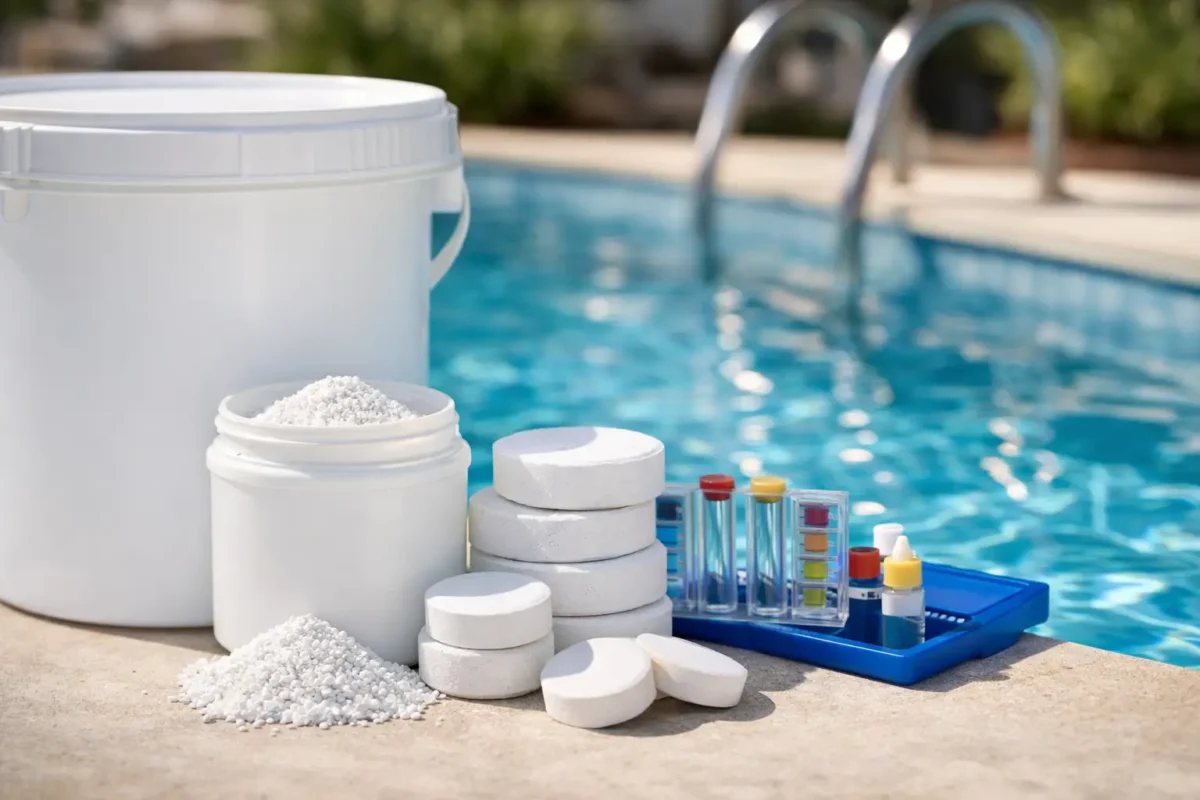
Calcium hypochlorite is a solid chlorine compound used to sanitize pool water. It is commonly sold in granular or tablet form and is valued for its high available chlorine content. Compared with milder chlorine products, it delivers a stronger dose, which makes it useful for routine chlorination in some systems and especially effective for shock treatment.
When added to water, it releases free chlorine that attacks bacteria, organic contaminants, and algae. That fast reaction is exactly why many operators rely on it after heavy bather loads, weather events, or visible water quality decline. In practical terms, it is a powerful correction tool and, in the right setup, a dependable part of an ongoing sanitation program.
It also adds calcium to the water. That point is often overlooked by inexperienced buyers, but it is one of the most important technical characteristics of this chemical.
Why many pool operators choose it
The appeal of calcium hypochlorite is straightforward. It is potent, widely available, and effective at restoring sanitizer levels quickly. For larger pools or properties with demanding operating schedules, speed matters. If a villa pool sees constant family use over a weekend, or a hospitality pool has high turnover during peak season, waiting too long for sanitizer recovery is not a luxury most owners have.
Another advantage is shelf stability when stored correctly. Unlike liquid chlorine, which can lose strength faster over time and in high heat, calcium hypochlorite is often easier to store and transport for operators managing inventory across multiple sites. In climates with extreme temperatures, that can be a meaningful operational advantage.
For commercial buyers and developers, there is also a practical procurement benefit. Calcium hypochlorite is a familiar, standardized pool chemical with established dosing methods, so it is easier to integrate into a professional maintenance routine than more specialized alternatives.
The trade-off: calcium hardness can rise
The strength of calcium hypochlorite is also its limitation. Every dose adds calcium to the pool water. Over time, repeated use can drive calcium hardness too high, particularly in areas where source water is already hard or evaporation rates are significant.
That matters because high calcium hardness can contribute to scale formation on tile lines, inside heaters, on salt cells, and across circulation equipment. In premium pools, scale is not just a cosmetic issue. It can reduce efficiency, increase maintenance costs, and shorten the life of expensive components.
This is where professional judgment matters. A pool with low calcium hardness may benefit from calcium hypochlorite as part of regular treatment. A pool already trending high on hardness may need a different chlorine strategy, or at least tighter testing and more careful dose control. There is no one-size-fits-all answer, especially in warm regions where evaporation concentrates minerals quickly.
When calcium hypochlorite is the right choice
In well-managed systems, calcium hypochlorite is often a strong option for shock treatment. If combined chlorine is building up, water clarity is slipping, or algae pressure is increasing, it provides the kind of rapid sanitation response that lighter products may not match.
It can also suit pools that need a strong chlorine source without adding stabilizer. That is a major advantage over stabilized chlorine products such as trichlor or dichlor, which add cyanuric acid. If stabilizer levels are already high, continuing to use stabilized chlorine can reduce chlorine efficiency. In that case, calcium hypochlorite may be the smarter correction.
It is especially useful in outdoor pools where heavy sunlight, warm temperatures, and frequent usage create constant sanitizer demand. For experienced technicians, it is a versatile tool. For owners trying to self-manage without testing, it can be less forgiving.
When it may not be the best fit
If a pool already has elevated calcium hardness, routine use of calcium hypochlorite can make water balance harder to control. The same caution applies to pools with sensitive finishes, scale history, or heating systems that have previously suffered from mineral buildup.
It may also be a poor choice for anyone looking for a low-maintenance, guesswork-free treatment plan. Calcium hypochlorite works best when chemical readings are checked consistently and dosing is handled with precision. Premium pool care is not about adding more chlorine than necessary. It is about using the right sanitizer in the right amount at the right time.
For some properties, liquid chlorine, salt chlorination, or a broader automated disinfection setup may be more appropriate. The decision should be based on water source, pool design, bather load, equipment configuration, and maintenance resources.
How to use calcium hypochlorite for pools safely
Calcium hypochlorite should never be treated as a casual add-on chemical. It is highly reactive and must be handled with discipline. In professional environments, that means dry storage, clean scoops, no cross-contamination, and strict separation from acids and other pool chemicals.
For application, many products are designed to be pre-dissolved or broadcast only under specific instructions from the manufacturer. The exact method depends on product concentration and pool conditions. What should not happen is improvised mixing or combining with other sanitizers. That creates serious safety risk and can damage the pool.
Water testing should come first. Free chlorine, pH, total alkalinity, cyanuric acid, and calcium hardness all affect whether calcium hypochlorite is appropriate and how much should be used. Adding a powerful chlorine product without current test data is not efficient maintenance. It is trial and error.
For residential owners, the safest route is to follow a professional treatment plan rather than switching chemicals based on convenience. For commercial operators, dosing should be logged and matched to regular water analysis.
Water balance matters more than the chlorine itself
Many pool problems blamed on chlorine are actually balance problems. If pH is too high, chlorine becomes less effective. If calcium hardness is already elevated, the wrong sanitizer choice can push the water toward scaling. If stabilizer is excessive, chlorine can test present but perform poorly.
That is why premium pool maintenance is never about a single product in isolation. Calcium hypochlorite has to be evaluated within the full chemistry profile and the mechanical condition of the pool. Filters, circulation rate, heat exposure, and usage pattern all influence results.
This is also where expert support has clear value. A technically sound chemical program protects more than water clarity. It protects tile, plaster, pumps, heaters, fittings, and the overall experience of the pool.
Choosing quality chemical support over generic supply
Not all pool chemical programs are created to the same standard. Premium residential and commercial properties need more than access to chlorine. They need the right product strength, correct storage guidance, compatibility with the existing system, and ongoing support when water conditions shift.
That is particularly relevant for larger villas, residential communities, hospitality assets, and commercial facilities where poor water management can affect both appearance and operations. A cheaper chlorine decision can become an expensive maintenance issue if it contributes to scale, equipment wear, or repeated water correction.
Aquatic Pools and Fountains supports clients with both product supply and technical guidance, which is the level of service serious pool environments require. For buyers managing high-value aquatic installations, that integrated approach is usually more effective than sourcing chemicals without system-based advice.
A smarter way to think about calcium hypochlorite
Calcium hypochlorite is not automatically the best chlorine for every pool, and it is not outdated just because newer treatment systems exist. It is a high-performance sanitizer with clear strengths and clear limitations. Used correctly, it can restore water quality quickly and support demanding sanitation needs. Used carelessly, it can complicate balance and add avoidable stress to the pool system.
For owners and operators who care about durability, presentation, and consistent water quality, the right question is always the same: does this chemical support the long-term health of the pool, not just the next chlorine reading? That mindset leads to better water, better equipment protection, and fewer surprises when the pool needs to perform at its best.