
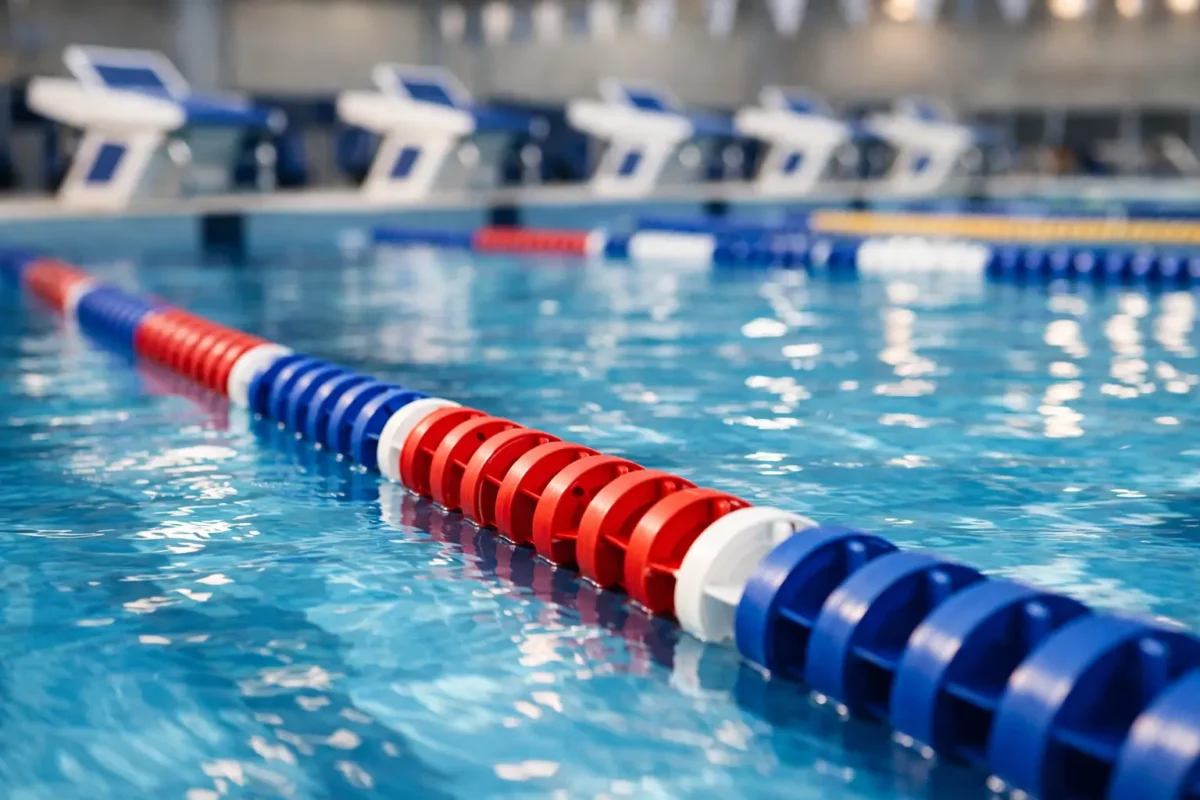
A lap pool that looks impressive from the deck can still underperform in daily use if the lane setup is wrong. Pool lane ropes are one of those details that affect far more than appearance. They help define swimmer space, control wave movement, support organized training, and give commercial and residential pools a more disciplined, professional finish.
For property developers, hospitality operators, villa owners, and facility managers, the right lane rope system is not a minor accessory. It is part of the pool’s operating standard. In a high-use environment, weak components fade quickly, loosen under tension, and create a poor impression. In a premium installation, the expectation is different – clean alignment, durable materials, and reliable performance over time.
Why pool lane ropes matter
A quality lane rope does two jobs at once. First, it separates swimmers clearly, which improves safety and makes the pool easier to manage. Second, it helps reduce surface wave interference between lanes, creating a better experience for training, lessons, and competitive use.
That distinction matters more than many buyers expect. In a school, hotel, club, or multi-user residential facility, lane definition supports smoother scheduling and better user flow. In a private villa or performance-focused home pool, it adds structure for exercise and gives the water a more refined, athletic presentation.
There is also a visual benefit. Straight, properly tensioned pool lane ropes make a pool look organized and professionally equipped. For premium properties, that visual standard matters. Guests, residents, and investors notice whether a facility feels complete.
What makes a high-quality pool lane rope
Not all lane ropes are built for the same level of demand. Some are designed for occasional recreational use, while others are made for heavy commercial schedules, regular training sessions, and exposure to intense sun and chemicals.
The most important factor is material quality. Floats should resist fading, cracking, and deformation. The internal line or cable should maintain strength under tension and repeated use. End fittings, anchors, hooks, and tensioning components also need to match the rope itself. A premium lane rope can still fail early if the hardware is weak.
Wave-reducing disc design is another key feature. Competitive and training lane ropes often use shaped plastic discs that help absorb and break up turbulence. This improves water stability, especially when multiple lanes are in use. For a serious swimming facility, this is not just a technical upgrade. It directly affects comfort and performance in the water.
Color configuration can also matter. For competition pools, lane markings often follow recognized standards for visibility and event use. For hospitality or residential projects, buyers may prioritize a cleaner aesthetic that complements the overall pool design. The right choice depends on how the pool is being used and what impression the property needs to create.
Choosing pool lane ropes for different types of pools
The right specification depends on the setting. A luxury residential lap pool usually does not need the same lane rope system as a sports club or school facility. Buying above or below the actual requirement can both create problems.
Residential pools and private lap lanes
For private owners, lane ropes are often installed in dedicated lap pools or larger villa pools designed for exercise. In these cases, the focus is usually a balance of function and appearance. The rope should be easy to install and remove, resistant to UV exposure, and visually consistent with a premium pool environment.
A lighter-duty system may be perfectly suitable if usage is moderate. However, lower-grade products often show wear quickly in hot climates, especially where chlorine levels, direct sun, and frequent handling are factors. For long-term value, a better-built lane rope usually justifies the investment.
Hotels, clubs, and wellness facilities
In hospitality settings, lane ropes need to support frequent repositioning, multi-user activity, and strong visual presentation. The pool may serve lap swimmers in the morning, recreational guests during the day, and private instruction at selected times. That means equipment must be durable, practical, and easy for staff to manage.
Consistency matters here. Lane ropes that sag, twist, or discolor affect the overall perception of quality. Premium properties benefit from systems that maintain tension and appearance with minimal disruption to operations.
Schools, training pools, and commercial facilities
This is where technical performance becomes more critical. Commercial and institutional pools often require lane ropes that can withstand repetitive use, active swimmers, and regular event preparation. Strong tensioning systems, dependable anchoring, and effective wave control are essential.
In these environments, the cheapest option is rarely the most economical. Early replacement, maintenance interruptions, and poor swimmer experience all increase the true cost of ownership. A commercial-grade specification delivers better value when measured over years rather than months.
Installation details that affect performance
Even the best pool lane ropes will underperform if installation is handled poorly. Rope length must match the pool precisely. Tension must be correct. Anchoring points must be secure and aligned. If any of these elements are off, the rope can drift, loosen, or place unnecessary strain on fittings.
Deck hardware is part of the system, not an afterthought. Anchors, recessed fittings, and connection points should be selected based on the pool structure and expected use. For new-build projects, it is best to plan lane rope infrastructure early, rather than trying to adapt the pool after completion.
Maintenance access should also be considered. Staff need to be able to remove, inspect, clean, and retension the ropes without difficulty. In a busy property, simple serviceability reduces downtime and protects the equipment.
Common buying mistakes
One of the most common mistakes is choosing by price alone. A low-cost lane rope can look acceptable at delivery but degrade quickly under real operating conditions. UV exposure, chemical treatment, and repeated tension all reveal product weaknesses fast.
Another issue is treating all pools the same. A decorative leisure pool, a private training lane, and a commercial competition pool each have different demands. The correct lane rope should reflect swimmer volume, maintenance routines, and aesthetic expectations.
Buyers also sometimes overlook compatibility between the rope and the pool’s fixing points. End connections, anchor types, and pool length tolerances should be checked before purchase. A technically sound supply process avoids delays and retrofit costs.
Pool lane ropes and the UAE climate
In the UAE, environmental conditions place greater pressure on pool equipment than many buyers initially expect. Heat, strong sunlight, and chemically treated water create a demanding combination. Products that perform acceptably in mild climates may age much faster here.
That is why material quality matters so much. UV resistance, strong polymer construction, and corrosion-resistant fittings are not optional in premium projects. They are basic requirements for consistent performance. For commercial properties and luxury residences alike, durability is tied directly to presentation and operating efficiency.
This is also where working with an experienced technical supplier adds value. Product selection should account for climate, pool type, installation method, and long-term service expectations. Aquatic Pools and Fountains supports this process with a premium equipment portfolio, technical guidance, and practical understanding of what performs reliably in demanding aquatic environments.
When replacement is the right decision
A lane rope does not need to be fully broken to be ready for replacement. Faded floats, reduced tension, worn end fittings, and visible cracking are all signs that performance has declined. If the rope no longer stays aligned or if components are becoming brittle, replacement should be scheduled before it affects operations.
For commercial pools, proactive replacement is usually the better decision. It protects the facility’s image, supports swimmer safety, and avoids disruption during busy periods. For residential owners, upgrading an aging rope can noticeably improve both usability and the visual standard of the pool.
The best results usually come from treating lane ropes as part of the pool’s overall equipment strategy, not as a standalone accessory purchase. When the specification is right, the installation is accurate, and the product quality matches the environment, the difference is easy to see from the deck and even easier to feel in the water.
If your pool is designed to perform at a high level, the lane system should reflect that same standard.