A pool can be the defining feature of a villa, hotel courtyard, or residential development – but it also creates a permanent safety responsibility. So, are pool safety covers worth the investment? For many Dubai and UAE property owners, the answer is yes, provided the cover is correctly specified, professionally installed, and used as one layer in a complete pool safety plan.
A premium safety cover does more than keep leaves and windblown debris out of the water. It creates a physical barrier designed to prevent accidental entry into the pool, which matters especially where children, pets, guests, contractors, or tenants may have access to the outdoor area. For high-value residential and commercial properties, the right system also protects the visual standard of the pool while reducing routine cleaning demands.
Are Pool Safety Covers Worth the Cost?
The value of a pool safety cover depends on the risks around the pool, how often the space is used, and the quality of the system being considered. A basic floating cover may help with heat retention or evaporation, but it is not necessarily engineered to carry weight or stop a child from reaching the water. A true safety cover is a different category of equipment.
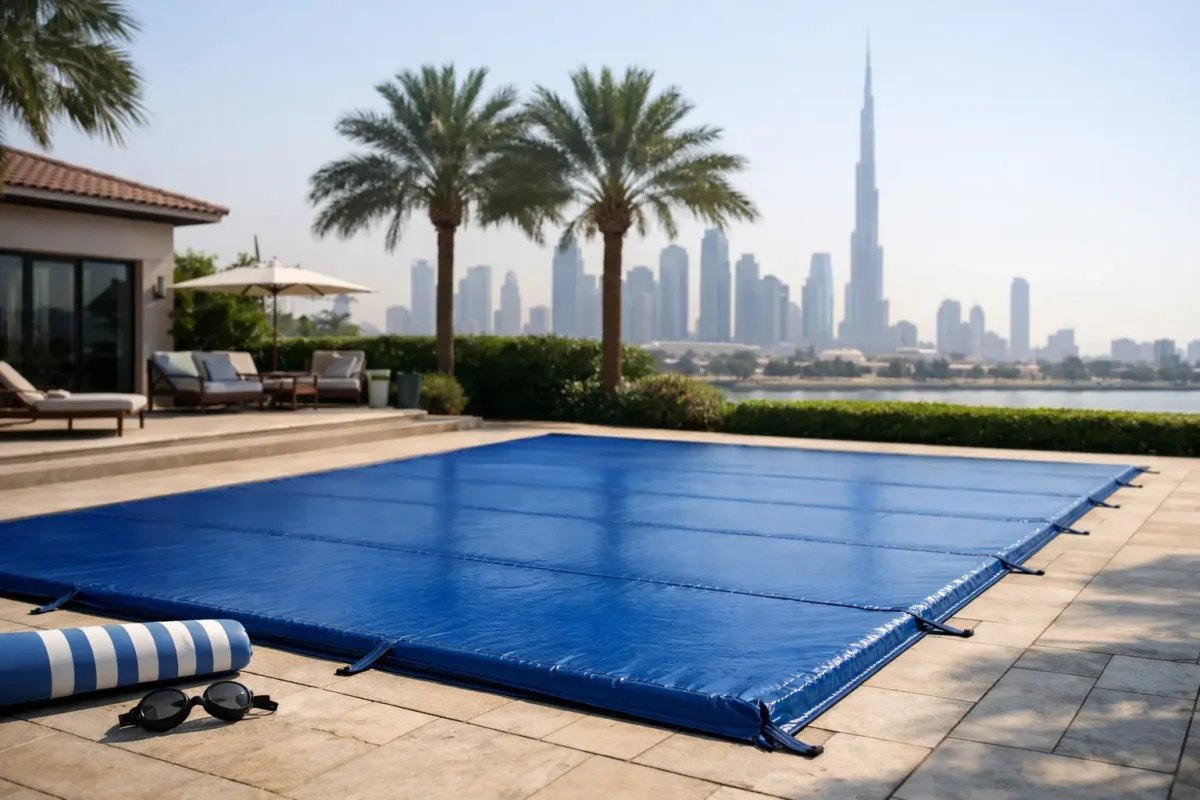
Typically secured with purpose-designed anchors, straps, tracks, or automated mechanisms, safety covers are designed to remain stable over the pool opening. Premium models are manufactured from high-strength mesh or solid materials and are tailored to the pool’s exact shape, including steps, raised walls, spas, and unusual architectural details.
For a family villa, the primary return is peace of mind. For hotels, towers, schools, and facility-managed properties, the return also includes stronger risk management and more controlled access to an aquatic amenity. The upfront cost is higher than a standard debris cover, but so is the protection it can provide.
Safety is the central benefit
No cover replaces adult supervision, secure gates, alarms, or clear pool rules. However, a properly fitted safety cover creates an additional barrier when the pool is not in active use. This is particularly valuable in properties where the pool deck is open to landscaped areas, entertainment spaces, or guest pathways.
The distinction is critical: a loose solar blanket can become a hazard if someone falls onto it. It should never be treated as safety equipment. A purpose-built safety cover must be selected based on its load capacity, anchoring method, edge security, and suitability for the pool structure.
Cleaner water, fewer interruptions
Dubai’s dry climate, construction activity, landscaping, and frequent fine dust can place a heavy debris load on outdoor pools. A fitted cover helps limit the amount of sand, leaves, insects, and airborne debris entering the water while the pool is closed.
That does not eliminate maintenance. Filters still need cleaning, water chemistry still requires testing, and uncovered swimming periods will always introduce contaminants. Yet reducing debris at the source can mean less skimming, less strain on circulation equipment, and a more presentable pool when it is time to reopen it.
For solid covers, reduced sunlight exposure may also help limit algae growth during extended closure periods. Mesh safety covers allow rainwater to pass through and can be practical where drainage is a concern, but they generally allow more sunlight and fine particles into the pool. The right choice should reflect the property’s usage pattern, surrounding environment, and maintenance program.
Choosing a Pool Safety Cover for UAE Conditions
A safety cover is only as dependable as its materials, measurements, and installation. Intense UV exposure, heat, dust, chlorinated water, and frequent use all place demands on cover fabrics, stitching, springs, anchors, and operating components.
For premium properties, selecting a system solely on initial price is rarely the right approach. A cover that sags, fades prematurely, develops weak stitching, or cannot be tensioned correctly will not deliver the safety or appearance expected from a high-end installation.
Mesh, solid, and automatic systems
Each cover type serves a distinct purpose. Mesh safety covers are often lighter to handle and allow water to drain through, avoiding standing water on the cover. They can be a strong option for pools that are closed for part of the year or where manual operation is acceptable.
Solid safety covers block more light and debris, which can make them attractive for longer closures. They require proper drainage planning because water should not be allowed to accumulate on the surface. Depending on the design, a cover pump or integrated drainage arrangement may be needed.
Automatic safety covers offer the greatest convenience. With a key switch, wall control, or approved operating system, the cover can open or close quickly without the effort of manually handling straps and springs. They are especially well suited to luxury villas, hospitality projects, and properties where the pool is used often but should be secured promptly after use.
Automatic systems require early coordination. The cover housing, tracks, electrical supply, drainage, pool finish, and access for future servicing should be considered during design or renovation. Retrofitting may be possible, but it is usually more straightforward and visually refined when the system is planned into the pool structure.
Custom fit matters more than convenience features
A cover should fit the actual pool, not an approximate rectangle around it. Overflow edges, raised spas, ladders, handrails, diving features, curved walls, and irregular steps all affect the final design. Accurate site measurement is essential to prevent gaps that compromise security or allow debris to enter.
The anchor system also deserves careful attention. Deck materials such as natural stone, porcelain, concrete, and composite surfaces require the correct fixing approach. Poor drilling, unsuitable anchors, or incorrect tensioning can damage premium finishes and weaken the cover’s performance.
For commercial and hospitality settings, the cover should also fit the operating routine. If staff need several people and significant time to close the system, it may not be used consistently. In that case, a more convenient automated or assisted solution can be the better long-term investment.
Where Pool Safety Covers Deliver the Strongest Return
Safety covers are not equally essential for every pool. An indoor pool with restricted access, full-time supervision, and dedicated doors may have a different risk profile from an open villa pool beside a family garden. Still, covers provide particularly strong value in several situations:
- Family homes with young children, visiting children, pets, or elderly residents.
- Villas used seasonally or left vacant during travel periods.
- Hotels, residential communities, and corporate properties that need clearer pool closure procedures.
- Pools near landscaped areas, construction zones, or open plots where debris is a recurring issue.
- High-end renovations where integrated safety and clean visual design are both priorities.
The strongest case is usually not one benefit alone. It is the combination of accident prevention, debris control, equipment protection, and a more disciplined pool management routine.
Costs, Maintenance, and the Trade-Offs to Consider
A premium safety cover is a capital purchase, and pricing varies substantially based on pool size, shape, material, hardware, automation, deck conditions, and installation complexity. Custom covers and automatic systems cost more than standard manual solutions. That is expected because they involve engineered components, precise fabrication, and specialized installation.
There are also ongoing responsibilities. The cover should be inspected for tension, fabric wear, damaged straps, loose anchors, corrosion, and debris buildup. Automatic systems need periodic servicing of tracks, motors, controls, and safety features. A cover that is difficult to operate or visibly deteriorated should be repaired before it is relied upon.
It is also worth being realistic about climate performance. A cover may help reduce evaporation and heat loss depending on its construction, but a mesh safety cover will not deliver the same thermal or evaporation benefits as a sealed solid cover. Conversely, a solid cover may require more active water removal after rain or cleaning. There is no single best option for every project.
For some properties, pool fencing, access-control gates, alarms, and professional supervision may be higher priorities than a cover. For many luxury and commercial sites, however, these measures work best together rather than as substitutes.
Professional Specification Protects the Investment
The most reliable results come from assessing the complete pool environment before selecting a cover. This includes the pool dimensions, deck structure, surrounding access points, intended users, drainage, circulation system, and daily operating expectations.
Aquatic Pools and Fountains supports property owners, developers, and facility teams with premium pool safety solutions that align with the technical and visual requirements of the project. From product selection and site assessment to installation and ongoing maintenance guidance, professional support helps ensure the cover performs as intended long after handover.
A pool safety cover is worth considering whenever the pool must look exceptional while remaining controlled, protected, and ready for responsible use. Choose a system that matches the property, not just the pool opening, and treat it as a lasting part of the installation’s safety standard.