Aquatic

Categories
Uncategorized

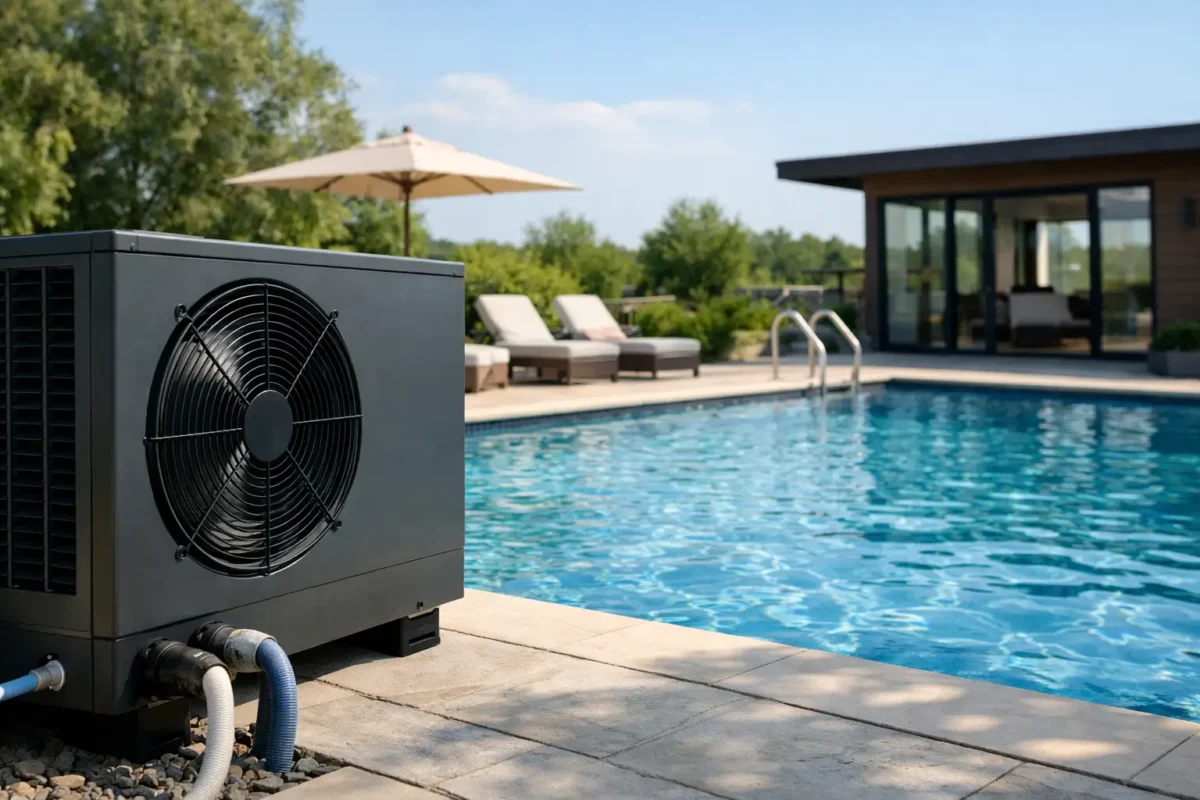
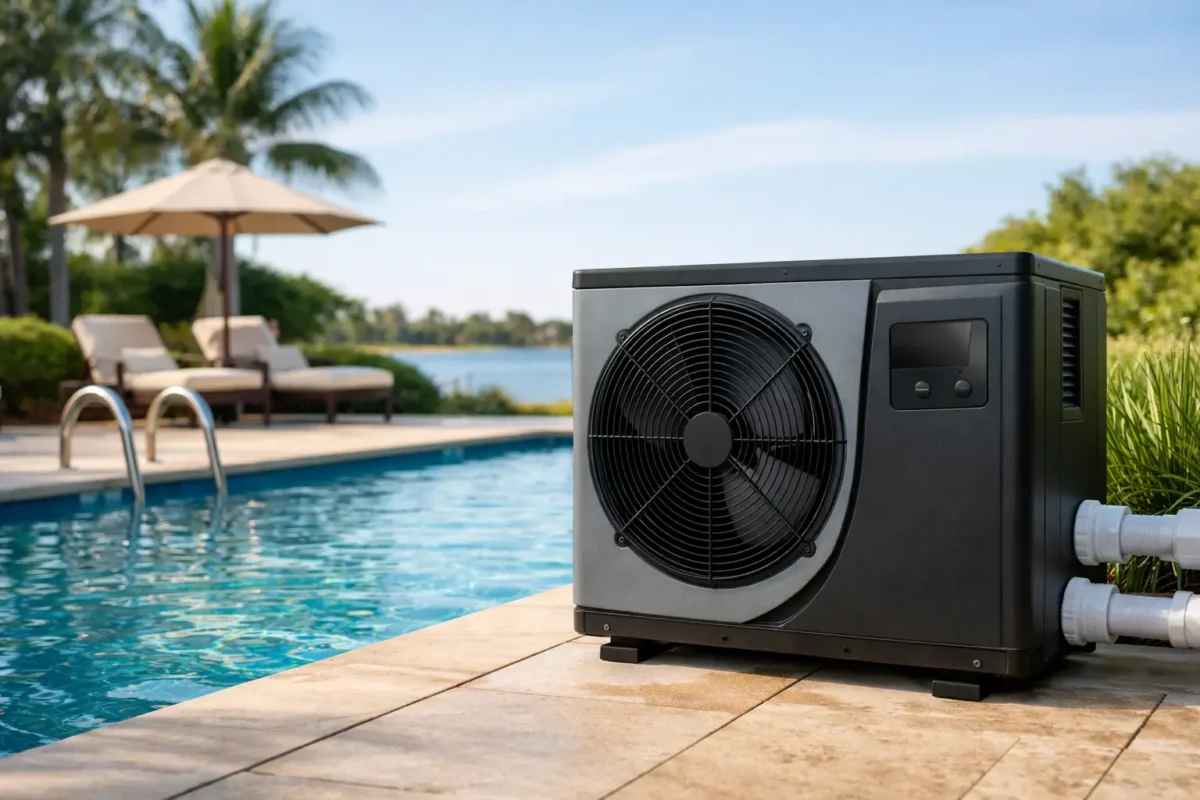
Swimming Pool Heat Pumps That Make Sense

A pool that looks exceptional but feels too cold gets used less. That is the real issue for many villa owners, hospitality operators, and property managers weighing swimming pool heat pumps against older heating systems. In a market where comfort, efficiency, and long-term performance all matter, the right heat pump is not an accessory. It is part of the pool’s core operating strategy.

Why swimming pool heat pumps are a smart upgrade

Swimming pool heat pumps are designed to transfer heat from the surrounding air into the pool water. Unlike systems that generate heat directly through heavy energy consumption, heat pumps work by moving available heat efficiently. For premium residential and commercial pools, that difference has a direct impact on operating cost, temperature stability, and equipment value over time.

In the UAE, this matters more than many buyers first assume. Pools are often viewed as year-round assets, whether in private villas, residential developments, hotels, or wellness facilities. The challenge is not only heating water in cooler months. It is maintaining a comfortable, controlled swimming environment without relying on inefficient or outdated systems that increase utility costs and maintenance demands.

A well-selected heat pump brings consistency. It helps keep the water within a usable temperature range, extends the practical swimming season, and improves the overall experience for residents, guests, and tenants. For commercial properties, that can also support occupancy standards, guest satisfaction, and amenity value.

How swimming pool heat pumps work in real-world installations

The principle is straightforward. The unit draws in ambient air, extracts heat energy through its refrigerant cycle, and transfers that heat to the pool water through a heat exchanger. Because the system is transferring heat rather than creating it from scratch, it can operate far more efficiently than many conventional alternatives.

That said, performance always depends on installation conditions. A heat pump’s output is affected by air temperature, pool size, desired water temperature, wind exposure, and whether the pool has a cover. An uncovered outdoor pool will lose heat faster, which means the unit must work harder to maintain target temperature. A properly covered pool with balanced circulation and filtration will perform much better.

This is why equipment selection should never be based on headline capacity alone. The best result comes from matching the unit to the actual pool environment, bather expectations, and operating pattern.

What buyers should look for before choosing a unit

The right heat pump is rarely the cheapest one on paper. For high-end residential and commercial projects, the better measure is lifecycle value.

Capacity is the first consideration. An undersized unit may run continuously and still struggle to reach the required temperature. An oversized unit may increase upfront cost without delivering proportional benefit if the sizing logic is wrong. Proper calculation should account for pool volume, exposure, surface area, and expected usage.

Build quality matters just as much. In demanding climates, premium materials help protect the unit from corrosion, wear, and premature failure. Titanium heat exchangers, durable cabinet construction, and reliable internal components are especially important for long-term pool performance.

Noise level is another practical factor. For villas, rooftop leisure areas, boutique hospitality spaces, and landscaped pool decks, quiet operation is not a luxury. It is part of the user experience. Inverter-driven models often provide better control and lower sound levels because they adjust output rather than cycling aggressively on and off.

Control features also deserve attention. Modern units can offer precise temperature settings, digital monitoring, fault alerts, and integration with broader pool equipment systems. For facility managers and larger developments, that level of control supports better maintenance planning and more predictable operation.

The cost question: upfront investment versus operating savings

Many buyers focus first on purchase price. That is understandable, but it can lead to the wrong decision.

Swimming pool heat pumps usually require a higher initial investment than some basic heating alternatives. The payoff comes through efficiency and lower ongoing energy use. Over time, especially on pools used regularly, the savings can be substantial. For residential owners, that means better comfort without the shock of excessive utility costs. For hotels, compounds, and managed properties, it can support tighter operational control across multiple amenities.

Still, savings are not automatic. Results depend on correct sizing, proper installation, water circulation quality, and realistic operating settings. A premium unit installed poorly can underperform. A well-matched system installed professionally can deliver steady returns for years.

That is why technical guidance matters as much as equipment availability.

Residential and commercial needs are not the same

A villa pool and a hotel pool may use the same core technology, but they should not be specified in the same way.

For residential properties, buyers often prioritize quiet performance, discreet design, energy efficiency, and dependable year-round comfort. The owner wants a pool that is ready when family or guests want to use it, without constant intervention.

Commercial environments usually demand more. Hotels, residential towers, fitness clubs, and hospitality projects need equipment that can handle longer operating hours, heavier usage, and stricter service expectations. Recovery time, durability, maintainability, and system integration all become more important. A temporary drop in water comfort may be an inconvenience at home, but it can become a service issue in a commercial setting.

This is where a full-scope supplier adds real value. Product supply is only one part of the equation. System design input, installation quality, commissioning, and ongoing support all shape how the heat pump performs after handover.

Common mistakes that reduce heat pump performance

The most common mistake is poor sizing. Buyers sometimes assume a larger unit is always better or choose a smaller model to reduce upfront cost. Both decisions can create inefficiency.

Another issue is ignoring heat loss. If the pool is exposed to wind, left uncovered at night, or paired with inadequate circulation, the system has to work harder than necessary. The result is weaker performance and higher running cost.

Placement is another factor. Heat pumps need appropriate airflow and service access. If the unit is boxed into a tight area or installed without sufficient clearance, efficiency can suffer and maintenance becomes more difficult.

Water chemistry also plays a role. Poorly balanced water can damage components over time, including parts that are meant to resist corrosion. Heating equipment performs best as part of a well-managed pool system, not as a standalone fix.

Why professional installation matters

Premium equipment deserves precise execution. A heat pump must be integrated correctly with the circulation system, filtration components, electrical supply, and control setup. Small errors in pipe layout, flow rate, drainage, or commissioning can affect performance from the first day.

Professional installation also protects the investment. It helps ensure the system operates at the manufacturer’s intended standard, supports warranty conditions, and reduces the risk of avoidable service issues later.

For many buyers, especially developers and commercial operators, the ideal approach is working with a supplier that can advise on product selection, install the equipment properly, and continue supporting the pool throughout its operating life. That level of continuity creates better outcomes than simply purchasing a unit and leaving the rest to chance.

Aquatic Pools and Fountains supports this approach by combining premium equipment supply with technical guidance, installation expertise, and after-sales service for both residential and commercial aquatic projects.

Is a heat pump the right choice for every pool?

Not always. The answer depends on how the pool is used, how often temperature control is needed, the target comfort level, and the property’s broader operational priorities.

For pools used only occasionally, buyers may question whether the investment is justified. For regularly used pools, especially in premium properties where comfort is part of the expectation, heat pumps are often one of the most practical long-term solutions. They offer a strong balance between performance and operating efficiency, particularly when paired with proper pool covers and quality circulation systems.

The best decision comes from looking at the full picture rather than the equipment in isolation. Pool size, usage profile, exposure conditions, and maintenance standards all influence the outcome.

A well-chosen heat pump does more than warm water. It protects the value of the pool as a usable, comfortable, and professionally managed feature of the property. When that matters to residents, guests, or tenants, selecting the right system is not a minor upgrade. It is a smart operational decision that continues paying off every time the pool is ready to use.

Categories
Uncategorized

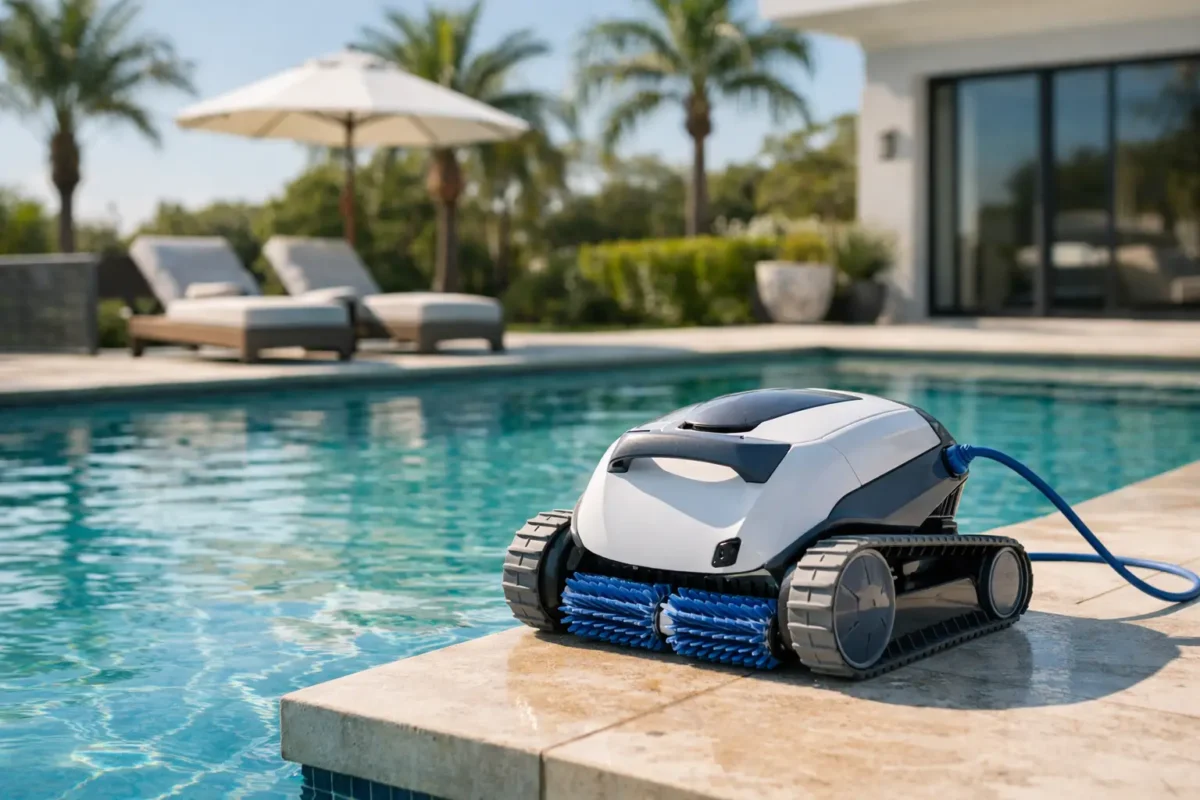
Robotic Pool Cleaner Review for Premium Pools

If your pool still depends on manual vacuuming or a basic suction cleaner, the difference is obvious after one busy week – fine dust settles on the floor, corners collect debris, and maintenance starts taking more time than it should. This robotic pool cleaner review is written for owners and operators who expect a cleaner pool, lower labor demands, and equipment that matches the standard of a premium residential or commercial setting.

For villas, hospitality properties, and managed facilities, a robotic cleaner is not just a convenience upgrade. It is a practical investment in presentation, water quality support, and maintenance efficiency. The real question is not whether robotic cleaners work. The question is which type works best for your pool, your usage pattern, and your operating expectations.

Robotic pool cleaner review: what actually matters

Most buyers start by comparing price, but that is rarely the right first filter. In a premium pool environment, cleaning consistency, wall-climbing ability, filtration performance, and serviceability matter far more over time. A lower-cost unit that misses fine debris or struggles with large pools usually creates more work, not less.

The best robotic pool cleaners operate independently from the pool filtration system. That means they collect debris in their own filter canisters or bags, reduce strain on pumps and filters, and follow programmed cleaning paths rather than moving randomly. In practical terms, that gives you better surface coverage and more predictable results.

Performance also depends heavily on pool type. A compact residential plunge pool has very different cleaning demands than a long overflow pool, a tiled villa pool with fine dust exposure, or a commercial basin with heavier daily use. One model may be excellent for light weekly maintenance but underpowered for larger, debris-prone installations.

Where robotic cleaners perform best

Robotic cleaners are especially strong in pools where visual standards are high. If the finish is tile, mosaic, or another premium surface, even light sediment becomes noticeable quickly. A robotic unit can remove fine particles before they build up, helping the pool maintain a polished appearance between scheduled service visits.

They are also highly effective where labor efficiency matters. Facility managers and hospitality operators benefit from reducing manual vacuuming time, while private owners appreciate a pool that stays guest-ready with less hands-on effort. In these settings, automation supports both appearance and operational consistency.

That said, not every robotic cleaner is built for every environment. Some residential models perform well in standard pools but are not ideal for demanding commercial schedules or pools with complex shapes, beach entries, ledges, or frequent leaf load.

Cleaning power and debris handling

A strong robotic cleaner should handle both visible debris and fine suspended dust that settles over time. In the UAE and similar climates, windblown sand and fine particulates are a real test. This is where filtration design separates entry-level units from premium machines.

A cleaner with only coarse filtration may pick up leaves and larger debris but leave behind the very material that makes pool floors look dull. Higher-grade models with fine or ultra-fine filtration are better suited for luxury pools where the finish must stay visibly clean. Some units also allow interchangeable filter baskets, which is useful when debris types vary by season or property type.

Floor, wall, and waterline coverage

Many buyers assume all robotic cleaners climb walls. They do not. Some are floor-only machines, and while they can still be useful, they are not enough for pools that demand complete visual cleanliness. For a true premium result, wall climbing and waterline scrubbing are valuable features.

The waterline is often the first area to show oils, residue, and visible buildup. A robotic cleaner that can actively scrub this zone reduces manual brushing and keeps the pool looking maintained at all times. In higher-end residential and commercial pools, this is not a minor feature. It has a direct effect on appearance.

Navigation and cycle efficiency

Random movement may be acceptable in a small pool, but in larger or irregular pools it often leads to missed sections and longer cleaning cycles. Smarter navigation systems improve route planning, reduce overlap, and produce more reliable cleaning coverage.

This matters even more when the cleaner is part of a broader maintenance routine. You want a machine that finishes on time, covers the pool properly, and does not require repeated repositioning. Advanced models with scanning and programmable cycles generally justify their cost in better results and reduced intervention.

The trade-offs buyers should know

A fair robotic pool cleaner review should be clear about limitations. These machines are effective, but they are not maintenance-free. Filters need to be emptied and cleaned regularly. Brushes wear over time. Cables need proper handling, and motors or control components eventually require service.

There is also the question of pool size and duty cycle. A residential model used in a heavily occupied commercial setting will usually wear faster and deliver inconsistent results. On the other hand, specifying an oversized commercial-grade cleaner for a simple home pool may add cost without meaningful benefit. The correct match is more important than buying the most expensive unit available.

Corded vs cordless is another decision point. Cordless models are appealing because they reduce cable management and look more streamlined in use. However, runtime limitations and charging schedules may not suit larger pools or back-to-back cleaning needs. Corded units often remain the stronger choice for longer cycles and heavier-duty applications.

How to judge long-term value

The strongest buying decision comes from looking beyond the initial purchase price. Long-term value is shaped by durability, spare parts availability, service support, and the quality of the cleaning result over several seasons.

If a cleaner saves labor but frequently needs troubleshooting, that value disappears quickly. If replacement filters, brushes, or drive components are difficult to source, downtime becomes an issue. For property managers, developers, and serious homeowners, after-sales support is part of the product, not an optional extra.

This is why buyers in premium segments usually benefit from working with a specialized supplier rather than choosing based on online specifications alone. Technical guidance helps align the cleaner with pool dimensions, surface type, debris load, and expected maintenance frequency. Aquatic Pools and Fountains serves this kind of requirement well because the conversation goes beyond the box and into actual operating conditions.

Robotic pool cleaner review: who should buy one

If your pool is a design feature, a guest-facing asset, or a high-usage facility, a robotic cleaner is usually a worthwhile upgrade. The case is strongest when appearance matters daily, when manual cleaning time is expensive, or when you want a more consistent standard between professional maintenance visits.

For villa owners, the benefit is simple: less manual effort and a cleaner-looking pool throughout the week. For hospitality and commercial properties, the benefit is broader – reduced labor pressure, more predictable maintenance outcomes, and a cleaner environment for guests or residents.

If your pool sees very light use and already has frequent full-service maintenance, the return may be less dramatic, though still meaningful for convenience. It depends on how much independence, consistency, and visual presentation you expect from your equipment.

Best fit scenarios

Robotic cleaners tend to offer the best return in medium to large pools, pools exposed to dust or landscaping debris, and pools with visible tile finishes where cleanliness is easy to judge. They are also a strong fit where staff efficiency matters or where a pool must remain presentation-ready without constant manual attention.

They are less impressive when buyers expect them to replace all pool maintenance. They do not replace chemistry control, backwashing, inspection, or periodic deep cleaning. What they do exceptionally well is automate one of the most repetitive parts of pool care.

What premium buyers should prioritize before purchase

Start with coverage. Make sure the cleaner is designed for your pool length, depth profile, and surface type. Then look at filtration quality, wall and waterline capability, cleaning cycle options, and ease of filter access. A machine that cleans well but is inconvenient to empty often gets used less consistently.

Next, consider support. Ask whether replacement parts are available, how servicing is handled, and whether the model is appropriate for your expected usage frequency. This step is often overlooked, but it directly affects ownership experience.

Finally, be realistic about expectations. A robotic cleaner should reduce manual work significantly and improve day-to-day cleanliness, but the best result still comes from pairing quality equipment with proper pool system care and professional oversight when needed.

A well-chosen robotic cleaner does more than pick up debris. It protects the presentation standard of the pool, supports a more efficient maintenance routine, and gives owners and operators greater control over results. If you are investing in a premium pool environment, your cleaning equipment should meet the same standard.

Categories
Uncategorized

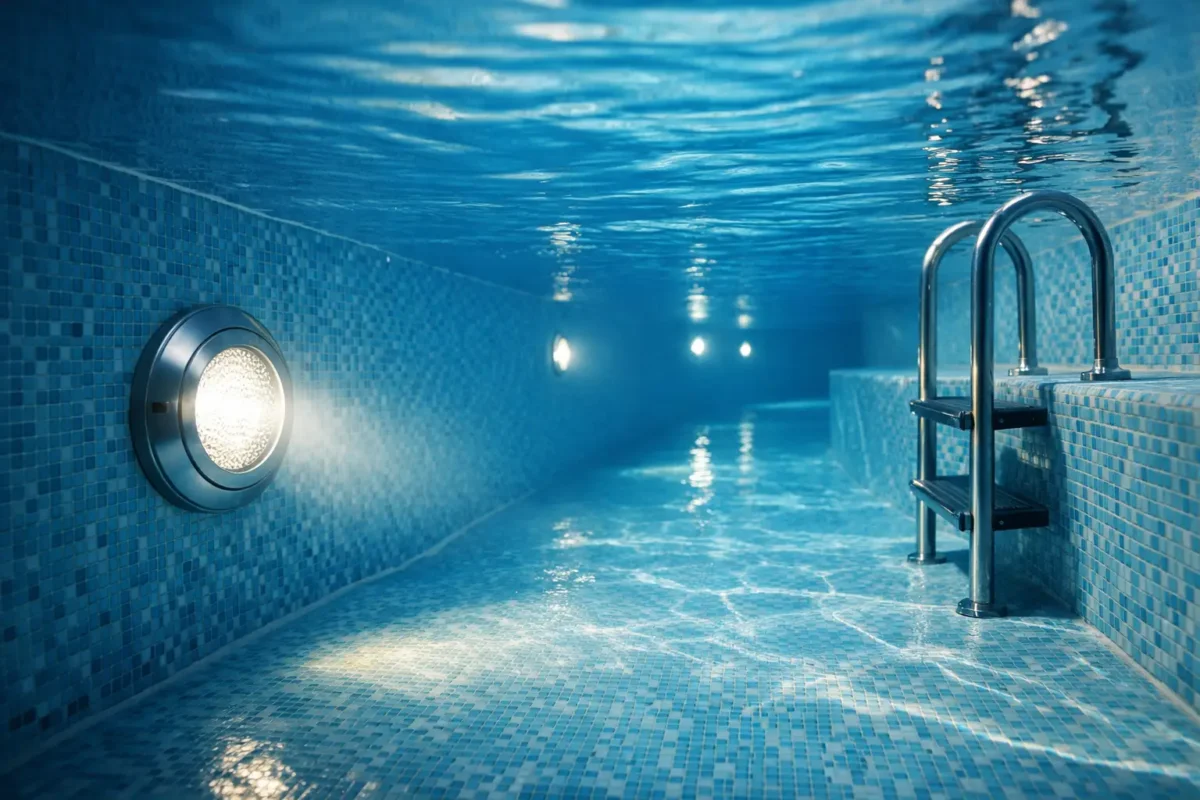
Swimming Pool Lights Underwater Guide

A pool can look impressive in daylight and still feel unfinished after sunset. The difference is often in the lighting. Well-chosen swimming pool lights underwater do more than add visual appeal – they shape the entire experience of the pool, improve visibility, support safer use at night, and give a residential or commercial property a far more polished finish.

For villa owners, hospitality operators, and developers, underwater lighting is not a detail to treat as an afterthought. It affects how the water looks, how the pool is used, and how well the installation performs over time. In premium environments, lighting needs to be elegant, dependable, and built for continuous exposure to demanding conditions.

Why swimming pool lights underwater matter

Underwater lighting serves two purposes at once: performance and presentation. From a practical standpoint, it makes the pool edge, steps, entry points, and underwater contours easier to see after dark. That matters for residential pools, but it is even more critical for hotels, apartment amenities, and shared-use facilities where safety and visibility are part of daily operation.

At the same time, lighting defines the mood of the space. A cool white light can make a pool look crisp and contemporary. A warmer tone can soften the environment around a villa terrace or landscaped deck. Color-changing systems can create more dramatic effects for entertainment areas, luxury hospitality settings, or branded commercial environments.

The right result depends on more than choosing a fixture that looks good in a catalog. Beam spread, housing material, niche compatibility, power supply, and installation quality all affect the final outcome.

Choosing the right swimming pool lights underwater

Not every light is suitable for every pool. Concrete pools, tiled pools, fiberglass shells, overflow pools, and water features each have different technical requirements. Depth, pool dimensions, wall finish, and circulation design also influence how the light performs once installed.

LED lighting is now the preferred standard for most premium projects. It offers lower energy consumption, longer service life, and better control over brightness and color. Compared with older halogen systems, LED fixtures generally require less maintenance and provide a more refined lighting effect. For property owners focused on long-term operating efficiency, that makes them the stronger investment.

That said, not all LED products are equal. Build quality matters. In a climate such as the UAE, where pools are used heavily and equipment is exposed to heat, chemical treatment, and continuous operation, low-grade fixtures tend to show their weaknesses quickly. Poor sealing, inconsistent output, weak housing materials, and unstable drivers often lead to early failure.

For that reason, commercial buyers and quality-conscious homeowners usually benefit from selecting lighting from established global brands with a proven record in aquatic applications. A premium fixture costs more upfront, but it often delivers far better durability, cleaner illumination, and fewer service interruptions.

What to look for in a premium underwater lighting system

A high-quality lighting system should be evaluated as a complete installation, not as a single standalone item. The fixture is only one part of the equation. Transformers, control systems, cabling, waterproof seals, and installation methods must all work together correctly.

Material quality is one of the first things to assess. Stainless steel and high-grade engineered polymers are common in dependable underwater lighting products. The ideal choice depends on the pool design, water chemistry, and application. In some settings, a corrosion-resistant polymer body may be more practical. In others, stainless steel complements the finish and design language of the pool more effectively.

Ingress protection and sealing quality are equally important. Underwater lights operate in a harsh environment. If water enters the fitting, performance drops quickly and replacement becomes unavoidable. A properly specified product with professional installation reduces that risk significantly.

Light output also deserves careful attention. More brightness is not always better. An oversized fixture in a compact pool can create glare and harsh reflections rather than elegance. On the other hand, a large commercial pool may need multiple carefully positioned fittings to avoid dark zones. Good lighting design creates even visual coverage without making the water feel overlit.

White light or color-changing LEDs?

This choice depends on the property, the intended use, and the atmosphere the client wants to create.

White LED lighting remains the preferred option for many luxury homes, lap pools, and formal hospitality settings. It delivers a clean, timeless appearance and often highlights tile finishes, water clarity, and architectural lines more effectively than color-changing systems. Cool white tends to feel modern and crisp, while warm white can create a softer, more relaxed evening setting.

Color-changing RGB or RGBW lighting is popular in entertainment-focused villas, resorts, rooftop pools, and commercial projects where visual impact is part of the appeal. These systems allow scene control and dynamic effects, which can be valuable for branded environments or event-driven spaces. The trade-off is that they require more sophisticated controls and, in some cases, more planning to ensure colors appear balanced across the pool.

For many clients, the best decision is not about features alone. It is about how the pool is actually used. A private residence focused on quiet evening swimming may be better served by elegant white lighting. A hospitality venue designed to impress guests after dark may benefit more from programmable color effects.

Installation quality makes the difference

Even the best fixture can underperform if it is installed incorrectly. This is where many pool lighting problems begin.

Placement has a direct effect on both appearance and usability. Lights should be positioned to reduce glare from common seating areas and main viewing angles. They should also illuminate steps, ledges, and swim paths effectively. In overflow or architectural pools, the placement strategy often needs to align with the visual symmetry of the overall design.

Electrical safety is another non-negotiable factor. Underwater lighting must be installed using the correct voltage, transformer arrangement, waterproof connections, and protective components. This is not an area for shortcuts. Professional installation protects the equipment, the pool structure, and the people using it.

Retrofit projects require especially careful assessment. Replacing outdated underwater lights in an existing pool can be straightforward, but it can also involve compatibility issues with old niches, cable runs, transformers, or control systems. In those cases, technical guidance before product selection prevents expensive mistakes later.

Maintenance and lifespan expectations

Swimming pool lights underwater are designed for durability, but they are not maintenance-free forever. Their lifespan depends on the product grade, operating hours, water chemistry, and the overall condition of the electrical system.

LED fixtures generally last much longer than traditional lamps, but real-world performance varies. If the pool has unstable power supply conditions, poor water balance, or aging infrastructure, even a premium light can be affected. Routine inspection helps identify seal wear, condensation issues, wiring concerns, or control failures before they develop into larger problems.

For commercial properties, proactive maintenance is particularly valuable. A failed underwater light in a hotel or shared residential facility does not just affect appearance. It affects guest perception, safety, and the standard of the property. Planned servicing helps maintain a consistent presentation and avoids reactive repairs during peak usage periods.

The value of expert supply and technical support

For premium pool projects, buyers rarely need just a product. They need the right specification, dependable stock availability, proper installation support, and ongoing service capability.

That is why many developers, facility teams, and villa owners prefer working with a specialist supplier that understands the full aquatic system. Underwater lighting must coordinate with the pool finish, circulation equipment, electrical layout, and long-term maintenance strategy. When those decisions are handled with technical precision, the final result looks better and performs better.

Aquatic Pools and Fountains supports this level of execution by combining quality equipment, technical guidance, and installation-focused expertise for residential and commercial aquatic environments across the region.

When underwater lighting is worth upgrading

If a pool still uses older halogen lamps, inconsistent lighting zones, or fittings with recurring failures, an upgrade usually makes sense. The improvement is visible immediately. Energy use is reduced, maintenance requirements often drop, and the pool gains a far more refined nighttime appearance.

An upgrade is also worth considering during renovation, deck enhancement, tile replacement, or control system modernization. Lighting should be planned as part of the complete pool environment, not treated as a separate accessory purchased at the end.

The best underwater lighting does not call attention to the fixture itself. It makes the water look inviting, the pool easier to use, and the property more complete after dark. If that is the standard you want, selecting the right system from the start is always the better decision.

Categories
Uncategorized

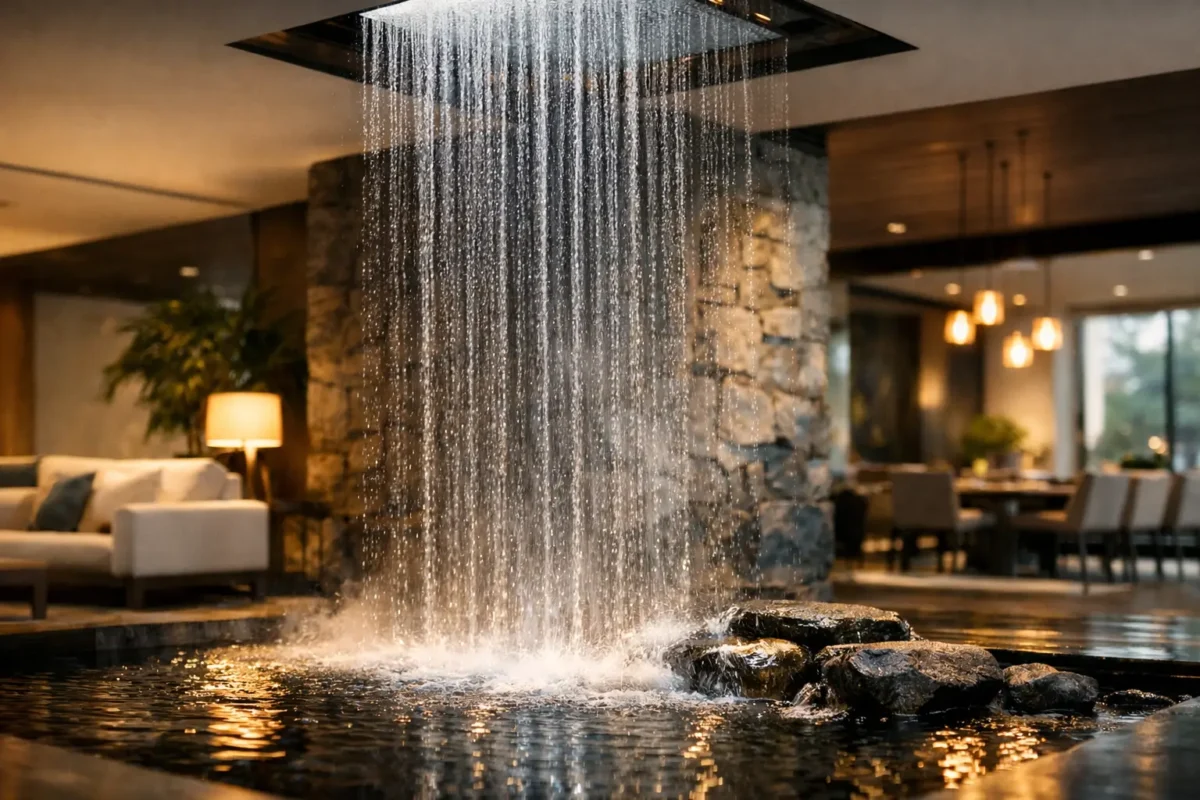
Indoor Rain Waterfall Feature for Luxury Spaces

A lobby can look finished on paper and still feel forgettable in person. What changes that experience is movement, sound, and atmosphere – and an indoor rain waterfall feature does all three at once. In luxury villas, hotel receptions, corporate entrances, and premium residential developments, this type of water installation creates an immediate sense of distinction that static décor simply cannot match.

An indoor rain waterfall feature is not just a decorative addition. It is a technical installation that must balance visual impact, water circulation, structural coordination, noise control, lighting, and long-term serviceability. When specified correctly, it becomes a signature design element that strengthens the value of the property. When specified poorly, it can become a maintenance concern that undermines the entire space.

Why an indoor rain waterfall feature stands out

Most interior finishes rely on texture, lighting, and material selection to create luxury. Water introduces a different dimension. It reflects light, softens acoustics in a controlled way, and gives a space a premium identity that feels active rather than staged.

For villa owners, this often means transforming an entrance hall, indoor courtyard, or double-height living area into a focal point. For developers and hospitality operators, it means giving visitors a memorable first impression the moment they arrive. In commercial spaces, it can elevate reception areas, executive zones, wellness environments, and shared amenities with a more refined visual language.

The appeal is not only aesthetic. A well-designed rain waterfall system can support brand positioning for a property, especially where exclusivity, calm, and architectural sophistication matter. In premium real estate, details that feel custom and engineered tend to carry more weight than decorative pieces that can be replaced at any time.

Where an indoor rain waterfall feature works best

Not every indoor space should include a rain waterfall. The strongest results come when the feature is integrated into the architecture rather than inserted as an afterthought.

Double-height entrances are one of the most effective settings because they allow the vertical drop of water to be appreciated from multiple angles. Reception areas also perform well, particularly when the feature is aligned with lighting and premium surface materials such as stone, glass, or metal finishes. In villas, indoor courtyards and transitional spaces between living zones can create a more private, resort-level experience.

Hotels and upscale residential towers often use these installations to define key public zones without relying on partitions. The water feature becomes an architectural divider while maintaining openness. That said, space planning matters. If circulation routes are too tight or splash management is overlooked, the installation can interfere with function instead of improving it.

Residential and commercial expectations are different

In a private residence, the priority is usually elegance, quiet operation, and a finish that feels personal to the interior design. The feature must complement the home rather than dominate it. Scale, lighting temperature, and sound level all need careful tuning.

In a commercial setting, durability and operational consistency become even more important. Hotels, mixed-use developments, and office properties need systems that can handle extended run times, regular public exposure, and maintenance schedules without compromising presentation. The visual goal may be similar, but the engineering standard is typically higher.

Design choices that shape the result

The term indoor rain waterfall feature covers a wide range of formats. Some installations create a fine rain curtain from a concealed ceiling trough. Others deliver a more defined water sheet over glass, acrylic, stone, or custom-fabricated panels. Each choice changes the look, sound, and maintenance profile.

A rain-style effect tends to feel lighter and more contemporary. It works particularly well in minimalist interiors and premium hospitality spaces. A sheet waterfall can appear more architectural and dramatic, especially when paired with integrated LED lighting or textured back panels.

Material selection is equally important. Stainless steel components are often preferred for their durability and finish quality. Glass gives a clean, modern appearance, while stone and textured surfaces add visual depth and a more natural character. The right option depends on the interior concept, but performance should lead the decision, not appearance alone.

Lighting deserves more attention than it usually gets. Properly placed LED lighting can make the falling water more visible, more elegant, and more dimensional, particularly in evening settings or indoor areas with limited natural light. Poor lighting, by contrast, can flatten the effect and make even an expensive feature look underwhelming.

The technical side matters more than most buyers expect

A premium water feature is only as strong as the system behind it. This is where many projects separate into two categories: installations that remain impressive over time, and installations that begin showing problems far too early.

Water circulation equipment must be sized correctly for the design intent. If pump selection is off, the water pattern may appear weak, uneven, or excessively turbulent. Filtration also matters indoors because clean water is essential to maintaining clarity, protecting components, and preserving the quality of the visual effect.

Water treatment should never be treated as secondary. Even decorative systems need appropriate disinfection and water quality control, especially in enclosed environments where odor or visible water issues are unacceptable. In higher-end projects, automated control options can also improve consistency and reduce manual intervention.

Drainage design, basin construction, and access for servicing are just as important as the visible feature. If a system looks elegant from the front but offers poor technician access, future maintenance becomes slower, more disruptive, and more expensive. Premium execution means planning for long-term operation from day one.

Noise, humidity, and maintenance planning

One of the most common assumptions is that more water always means more luxury. In reality, the right sound profile depends on the location. A reception feature may benefit from a stronger audible presence, while a villa interior may require a softer, more controlled effect.

Humidity must also be considered. Indoor water installations can influence surrounding conditions, particularly in enclosed or climate-sensitive spaces. Proper design coordination helps reduce unwanted moisture effects and protects nearby finishes.

Maintenance should be realistic, not theoretical. Every indoor rain waterfall feature needs periodic cleaning, system checks, and water quality monitoring. The difference is whether those tasks are straightforward or unnecessarily difficult. A professionally engineered system should be designed for dependable upkeep, not constant corrective work.

What premium buyers should look for

For property owners and project teams, supplier capability matters as much as product selection. The right partner should be able to support design coordination, equipment specification, installation requirements, and after-sales service with equal confidence.

That means looking beyond the visible waterfall panel or rain bar. Ask about pump and filtration quality, water treatment options, lighting integration, spare parts availability, servicing access, and how the feature will perform after months or years of use. A reliable supplier should be ready to discuss all of it clearly.

This is especially important in luxury and commercial environments where presentation standards stay high every day. An indoor feature is not successful because it looks impressive during handover. It is successful because it continues to operate cleanly, safely, and elegantly over time. That is where technical competence proves its value.

Aquatic Pools and Fountains serves this type of requirement by combining premium equipment supply with technical support, installation coordination, and long-term maintenance insight. For clients who want a statement feature without compromising system reliability, that full-scope approach is often the difference between a display piece and a dependable asset.

Is it the right choice for every project?

Not always, and that is exactly why specification should be handled carefully. An indoor rain waterfall feature is ideal when a property needs a high-impact visual centerpiece and has the structural, mechanical, and design coordination to support it. In the right space, it delivers elegance, brand value, and a stronger sensory experience.

If the available area is limited, maintenance access is poor, or the project team is treating the installation as a simple décor item, a different water feature concept may be the smarter choice. Premium projects benefit from solutions that fit the environment, not from forcing a trend into the wrong setting.

The best indoor water features feel inevitable, as if the space was always meant to have them. When the design is refined, the equipment is specified properly, and the support behind the installation is strong, the result is more than visual impact. It becomes part of how people remember the property.

Categories
Uncategorized

Electric Pool Heater: Smart Warmth for Pools

A cold pool can make even the most beautiful outdoor space feel underused. The right electric pool heater changes that quickly, giving villa owners, developers, hotels, and facility teams dependable temperature control without compromising on performance, finish, or user comfort.

In premium residential and commercial settings, pool heating is not just about making water warmer. It is about extending usability, protecting the value of the asset, and delivering a better experience for residents, guests, and end users. Whether the pool is part of a private villa, a residential tower, or a hospitality property, the heating system has to work efficiently, consistently, and with the right technical fit for the site.

Why an electric pool heater is a practical choice

An electric pool heater appeals to buyers who want precise control and straightforward operation. It is commonly selected for pools where predictable heating matters more than oversized mechanical complexity, and where property owners want a clean equipment setup that aligns with modern pool infrastructure.

For many projects, the biggest advantage is control. Electric heating systems can respond accurately to target temperatures, which helps maintain comfort across changing weather conditions or varying usage schedules. That matters in pools used in the morning, in shaded courtyards, in wellness areas, or in properties where guests expect a consistently comfortable swim.

Another advantage is installation flexibility. Compared with more fuel-dependent systems, electric options can be easier to integrate into a well-planned plant room or equipment area, especially when the site already has suitable electrical capacity. That said, the best result always depends on correct sizing, circulation compatibility, and the daily operating pattern of the pool.

Understanding how an electric pool heater fits your pool system

A pool heater never works alone. It operates as part of a wider system that includes circulation, filtration, controls, and often sanitation equipment. If one part is underspecified or poorly matched, heating performance can suffer.

That is why experienced buyers and consultants look beyond the heater itself. Pump flow rate, filter condition, pipe sizing, automation settings, and heat retention all affect real-world results. A premium heater connected to an unbalanced system will not deliver premium performance.

For residential pools, the question is often how quickly the owner wants the pool to reach the desired temperature and how often it will be used. For hotels, residential communities, and commercial properties, the focus shifts toward operational stability, repeatable performance, and lifecycle efficiency. In both cases, the heater should be selected as part of the complete aquatic system rather than as a standalone purchase.

Electric pool heater sizing matters more than most buyers expect

One of the most common mistakes is choosing a unit based on general pool size alone. Water volume is only one factor. Surface area, exposure to wind, surrounding shade, intended temperature increase, and operating hours all influence the heating load.

A compact pool with high heat loss may need more heating support than a larger but well-protected pool. Likewise, an indoor pool may have very different performance needs from an outdoor leisure pool, even if the water volume is similar.

This is where technical guidance adds real value. Correct sizing helps avoid two expensive outcomes – a heater that struggles to keep up, or a system that costs more than necessary to buy and operate. In premium projects, oversimplified selection usually creates frustration later, especially when comfort expectations are high.

Residential pools versus commercial pools

For a private villa, buyers usually prioritize quick comfort, low noise, and a neat equipment layout. For a hospitality or facility-managed property, durability and operating consistency become more important. Commercial pools also tend to face longer run hours, higher bather loads, and stricter maintenance expectations.

That means the same electric pool heater category may not suit both applications in the same way. Commercial environments often require more careful specification, stronger service planning, and closer attention to component quality.

Efficiency depends on more than the heater

Buyers often ask which heater is the most efficient. The better question is which system will perform most efficiently in the conditions of the property.

A pool that loses heat overnight through evaporation will force any heater to work harder. A pool with poor hydraulic balance may circulate water unevenly, reducing the benefit of the heating cycle. A property with no cover strategy may spend more on energy simply because the pool is constantly losing the warmth it has already paid for.

That is why serious pool planning considers insulation, covers, control settings, and circulation behavior alongside the heater itself. The most cost-effective upgrade is sometimes not just a better heater, but a better heat-retention approach.

For decision-makers managing budgets across multiple assets, this point is especially important. Lower operating waste often comes from system coordination, not marketing claims.

What to look for in a premium electric pool heater

In high-end residential and commercial projects, product quality is not a cosmetic preference. It affects service life, temperature stability, maintenance frequency, and the overall reliability of the aquatic environment.

A well-selected heater should offer durable construction, dependable controls, and compatibility with the broader pool equipment setup. It should also come from a recognized manufacturer with established quality standards and accessible technical support. For many buyers, after-sales service is just as important as the initial specification.

Control logic also deserves attention. Clear controls, accurate temperature management, and integration with automation systems can improve day-to-day usability significantly. This matters in larger properties where facility teams need simple oversight, and it matters just as much in private homes where owners want reliable comfort without constant adjustment.

The value of professional installation

Even the best heater can underperform if the installation is rushed or improvised. Electrical requirements, water flow direction, safety provisions, and system commissioning all need to be handled properly.

Professional installation reduces the risk of performance issues and protects the investment in the rest of the equipment room. It also creates a stronger foundation for future maintenance, because the system is easier to inspect, test, and service when it has been installed to a high standard from the start.

For premium projects, installation quality is part of the product value. It is not an optional extra.

Maintenance and long-term reliability

Property owners often focus on the purchase decision and overlook the maintenance reality. A heater is expected to operate consistently through changing seasons, usage peaks, and varying water conditions. That reliability depends on routine checks and a properly maintained pool system.

Water chemistry has a direct impact on component life. Poor balance can shorten the lifespan of heating elements and associated equipment. Dirty filters, inconsistent flow, and neglected controls can also reduce efficiency and increase wear.

Regular maintenance helps preserve both performance and appearance. In luxury villas, that protects the quality of the user experience. In commercial properties, it supports uptime, guest satisfaction, and smoother facilities management. Aquatic Pools and Fountains serves clients who value that full-scope approach – not just supply, but technical support and dependable ongoing service.

Is an electric pool heater right for every pool?

Not always, and that is where an honest specification process matters. Some properties need a heating solution optimized for specific run hours, load demands, or energy strategies. Others benefit from a different heat-based system depending on the pool type, the available utilities, and the owner’s operating priorities.

Still, for many residential and light commercial applications, electric heating remains a strong option because it offers controllable performance, clean integration, and consistent user comfort. The key is selecting the right product for the exact project conditions rather than choosing by price alone.

When buyers compare options, the real decision is rarely about a single box of equipment. It is about the level of comfort expected, the reliability required, and the quality standard the property is meant to represent.

Choosing with confidence

A pool heating decision should support the property for years, not just solve a short-term temperature issue. The right electric pool heater should align with the pool’s size, usage profile, equipment design, and maintenance plan, while reflecting the premium expectations of the space it serves.

For villa owners, that means more swim days and better comfort. For developers and hospitality operators, it means a stronger amenity and a more dependable aquatic environment. For facility managers, it means fewer avoidable issues and a system that performs with consistency.

If the pool matters to the property, the heater deserves the same level of attention as every other critical system. Choose accordingly, and the water will feel right when it matters most.

Categories
Uncategorized

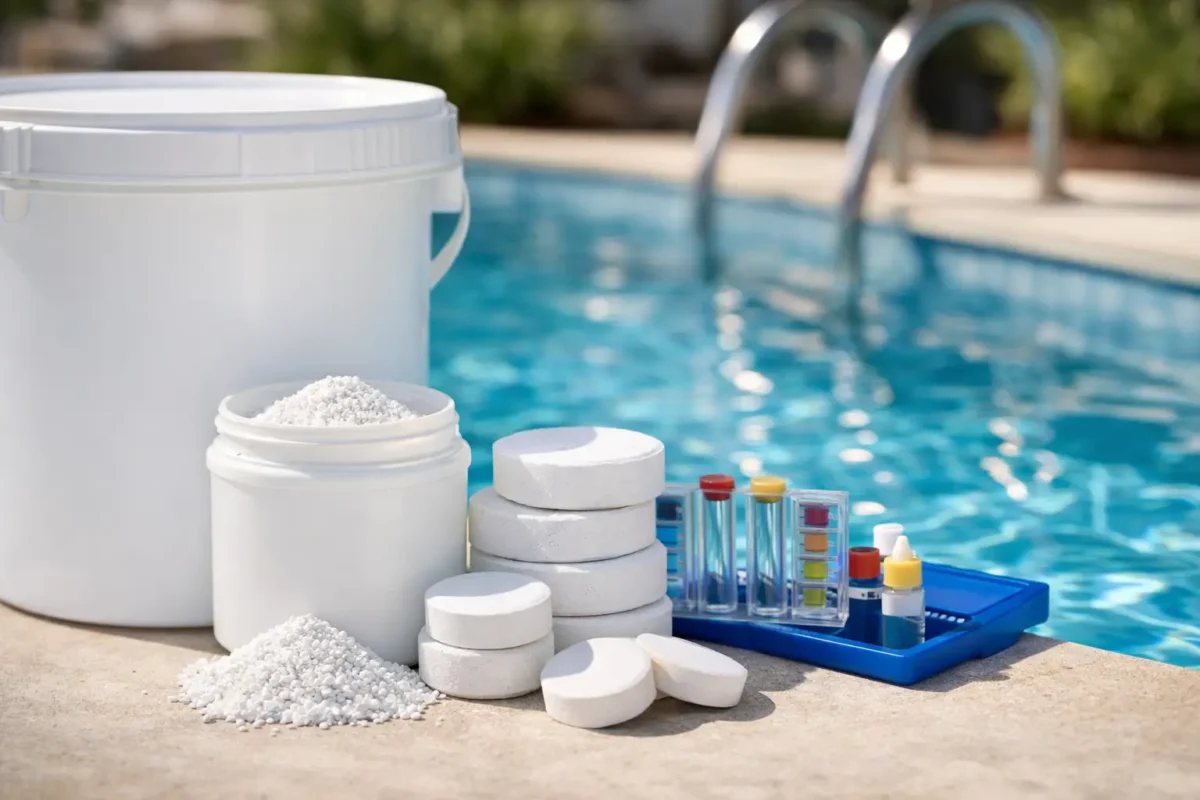
Calcium Hypochlorite for Pools Explained

A pool can look perfectly blue and still be one hot afternoon away from a chlorine problem. In high-use residential pools, hotel pools, and commercial water features, sanitizer demand can rise quickly. That is why calcium hypochlorite for pools remains a preferred option when strong, fast-acting chlorine is needed and water quality standards cannot slip.

For property owners and facility teams, the real question is not whether calcium hypochlorite works. It does. The better question is when it is the right fit, how it affects water balance, and whether it aligns with the performance standards of your pool system. Those details matter far more than the label on the bucket.

What calcium hypochlorite for pools actually does

Calcium hypochlorite is a solid chlorine compound used to sanitize pool water. It is commonly sold in granular or tablet form and is valued for its high available chlorine content. Compared with milder chlorine products, it delivers a stronger dose, which makes it useful for routine chlorination in some systems and especially effective for shock treatment.

When added to water, it releases free chlorine that attacks bacteria, organic contaminants, and algae. That fast reaction is exactly why many operators rely on it after heavy bather loads, weather events, or visible water quality decline. In practical terms, it is a powerful correction tool and, in the right setup, a dependable part of an ongoing sanitation program.

It also adds calcium to the water. That point is often overlooked by inexperienced buyers, but it is one of the most important technical characteristics of this chemical.

Why many pool operators choose it

The appeal of calcium hypochlorite is straightforward. It is potent, widely available, and effective at restoring sanitizer levels quickly. For larger pools or properties with demanding operating schedules, speed matters. If a villa pool sees constant family use over a weekend, or a hospitality pool has high turnover during peak season, waiting too long for sanitizer recovery is not a luxury most owners have.

Another advantage is shelf stability when stored correctly. Unlike liquid chlorine, which can lose strength faster over time and in high heat, calcium hypochlorite is often easier to store and transport for operators managing inventory across multiple sites. In climates with extreme temperatures, that can be a meaningful operational advantage.

For commercial buyers and developers, there is also a practical procurement benefit. Calcium hypochlorite is a familiar, standardized pool chemical with established dosing methods, so it is easier to integrate into a professional maintenance routine than more specialized alternatives.

The trade-off: calcium hardness can rise

The strength of calcium hypochlorite is also its limitation. Every dose adds calcium to the pool water. Over time, repeated use can drive calcium hardness too high, particularly in areas where source water is already hard or evaporation rates are significant.

That matters because high calcium hardness can contribute to scale formation on tile lines, inside heaters, on salt cells, and across circulation equipment. In premium pools, scale is not just a cosmetic issue. It can reduce efficiency, increase maintenance costs, and shorten the life of expensive components.

This is where professional judgment matters. A pool with low calcium hardness may benefit from calcium hypochlorite as part of regular treatment. A pool already trending high on hardness may need a different chlorine strategy, or at least tighter testing and more careful dose control. There is no one-size-fits-all answer, especially in warm regions where evaporation concentrates minerals quickly.

When calcium hypochlorite is the right choice

In well-managed systems, calcium hypochlorite is often a strong option for shock treatment. If combined chlorine is building up, water clarity is slipping, or algae pressure is increasing, it provides the kind of rapid sanitation response that lighter products may not match.

It can also suit pools that need a strong chlorine source without adding stabilizer. That is a major advantage over stabilized chlorine products such as trichlor or dichlor, which add cyanuric acid. If stabilizer levels are already high, continuing to use stabilized chlorine can reduce chlorine efficiency. In that case, calcium hypochlorite may be the smarter correction.

It is especially useful in outdoor pools where heavy sunlight, warm temperatures, and frequent usage create constant sanitizer demand. For experienced technicians, it is a versatile tool. For owners trying to self-manage without testing, it can be less forgiving.

When it may not be the best fit

If a pool already has elevated calcium hardness, routine use of calcium hypochlorite can make water balance harder to control. The same caution applies to pools with sensitive finishes, scale history, or heating systems that have previously suffered from mineral buildup.

It may also be a poor choice for anyone looking for a low-maintenance, guesswork-free treatment plan. Calcium hypochlorite works best when chemical readings are checked consistently and dosing is handled with precision. Premium pool care is not about adding more chlorine than necessary. It is about using the right sanitizer in the right amount at the right time.

For some properties, liquid chlorine, salt chlorination, or a broader automated disinfection setup may be more appropriate. The decision should be based on water source, pool design, bather load, equipment configuration, and maintenance resources.

How to use calcium hypochlorite for pools safely

Calcium hypochlorite should never be treated as a casual add-on chemical. It is highly reactive and must be handled with discipline. In professional environments, that means dry storage, clean scoops, no cross-contamination, and strict separation from acids and other pool chemicals.

For application, many products are designed to be pre-dissolved or broadcast only under specific instructions from the manufacturer. The exact method depends on product concentration and pool conditions. What should not happen is improvised mixing or combining with other sanitizers. That creates serious safety risk and can damage the pool.

Water testing should come first. Free chlorine, pH, total alkalinity, cyanuric acid, and calcium hardness all affect whether calcium hypochlorite is appropriate and how much should be used. Adding a powerful chlorine product without current test data is not efficient maintenance. It is trial and error.

For residential owners, the safest route is to follow a professional treatment plan rather than switching chemicals based on convenience. For commercial operators, dosing should be logged and matched to regular water analysis.

Water balance matters more than the chlorine itself

Many pool problems blamed on chlorine are actually balance problems. If pH is too high, chlorine becomes less effective. If calcium hardness is already elevated, the wrong sanitizer choice can push the water toward scaling. If stabilizer is excessive, chlorine can test present but perform poorly.

That is why premium pool maintenance is never about a single product in isolation. Calcium hypochlorite has to be evaluated within the full chemistry profile and the mechanical condition of the pool. Filters, circulation rate, heat exposure, and usage pattern all influence results.

This is also where expert support has clear value. A technically sound chemical program protects more than water clarity. It protects tile, plaster, pumps, heaters, fittings, and the overall experience of the pool.

Choosing quality chemical support over generic supply

Not all pool chemical programs are created to the same standard. Premium residential and commercial properties need more than access to chlorine. They need the right product strength, correct storage guidance, compatibility with the existing system, and ongoing support when water conditions shift.

That is particularly relevant for larger villas, residential communities, hospitality assets, and commercial facilities where poor water management can affect both appearance and operations. A cheaper chlorine decision can become an expensive maintenance issue if it contributes to scale, equipment wear, or repeated water correction.

Aquatic Pools and Fountains supports clients with both product supply and technical guidance, which is the level of service serious pool environments require. For buyers managing high-value aquatic installations, that integrated approach is usually more effective than sourcing chemicals without system-based advice.

A smarter way to think about calcium hypochlorite

Calcium hypochlorite is not automatically the best chlorine for every pool, and it is not outdated just because newer treatment systems exist. It is a high-performance sanitizer with clear strengths and clear limitations. Used correctly, it can restore water quality quickly and support demanding sanitation needs. Used carelessly, it can complicate balance and add avoidable stress to the pool system.

For owners and operators who care about durability, presentation, and consistent water quality, the right question is always the same: does this chemical support the long-term health of the pool, not just the next chlorine reading? That mindset leads to better water, better equipment protection, and fewer surprises when the pool needs to perform at its best.

Categories
Uncategorized

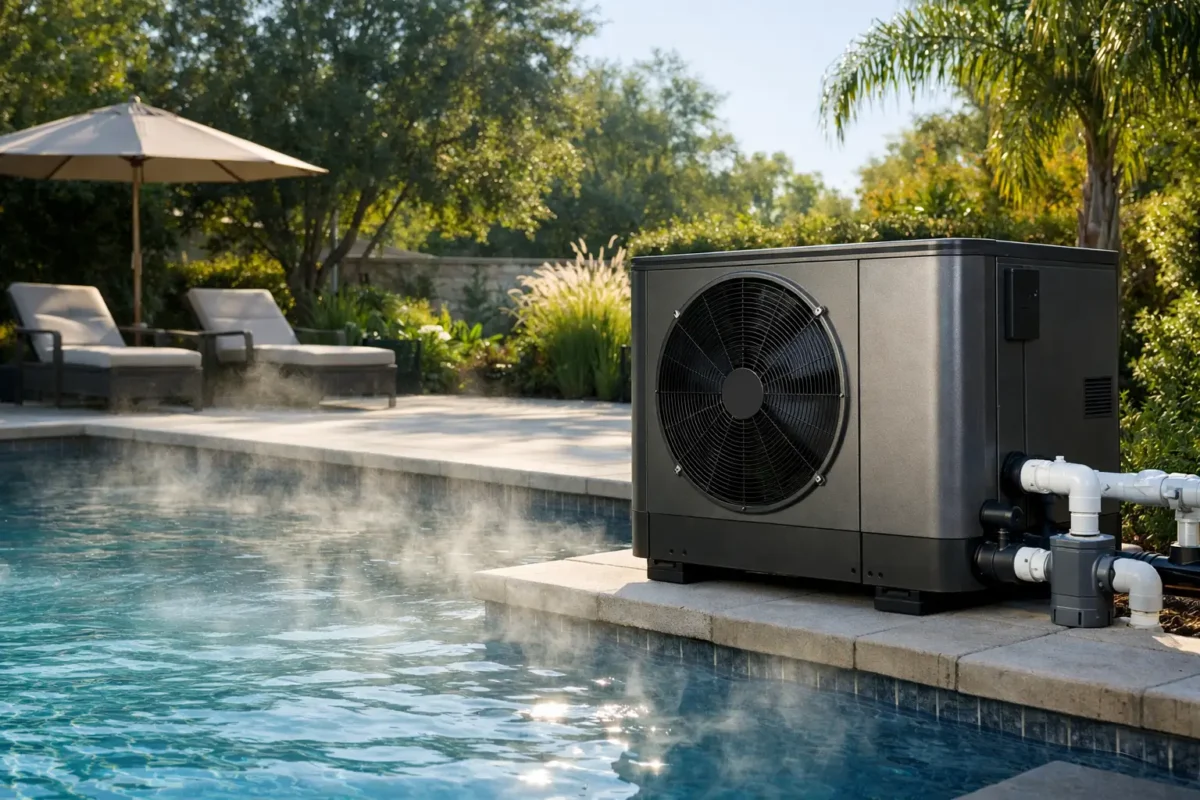
Pool Heat Cool Pump for Year-Round Comfort

The difference between a pool that gets used and a pool that gets ignored often comes down to water temperature. In the UAE, intense summer heat can make pool water unpleasantly warm, while cooler months can shorten swim time if the water drops too far. A pool heat cool pump solves both problems in one system, giving property owners and facility managers precise control over comfort, efficiency, and season length.

For premium residential and commercial pools, temperature control is no longer a nice extra. It is part of the overall performance of the installation. Whether the goal is to keep a villa pool inviting in August or maintain consistent conditions for a hotel, residential tower, or wellness facility, the right equipment protects the value of the asset while improving the user experience.

What a pool heat cool pump actually does

A pool heat cool pump is designed to both heat and cool pool water using energy-efficient heat transfer technology. Instead of generating heat the way a traditional electric heater does, it moves heat from one place to another. In heating mode, it draws warmth from the surrounding air and transfers it into the water. In cooling mode, it removes excess heat from the pool water to bring temperatures back into a more comfortable range.

This dual function matters in climates where pools face two opposite challenges during the year. In the UAE, that is a real and frequent issue. Summer water temperatures can climb high enough to feel flat, heavy, and uncomfortable. During winter evenings and cooler periods, the same pool may become too cold for regular use. A single system that handles both conditions is usually a smarter long-term investment than installing separate solutions.

Why a pool heat cool pump makes sense in the UAE

In many markets, pool heating is the main concern. In Dubai and across the UAE, cooling is equally relevant. That changes the buying decision. A standard heater may extend the swimming season, but it does nothing when the water turns too warm during peak summer.

That is why a pool heat cool pump is especially valuable for this region. It supports year-round comfort rather than one-season correction. For luxury villas, it helps maintain the premium feel of a private outdoor space. For hospitality and commercial properties, it helps deliver a more predictable guest or tenant experience. For real estate developers and facility managers, it adds practical control without compromising operating efficiency.

There is also the question of presentation. Pools in upscale properties are expected to be ready, comfortable, and visually excellent at all times. Water temperature has a direct effect on how often the space is used, how long guests stay in it, and how the property is perceived overall.

Heating and cooling performance depends on proper sizing

One of the most common mistakes with temperature control equipment is choosing a unit based on price alone. Capacity matters. A system that is too small will struggle to reach the target temperature, run longer than necessary, and place unnecessary stress on components. A system that is too large may cost more upfront than the application requires.

Correct sizing depends on several factors, including pool volume, surface area, exposure to sun, wind conditions, surrounding structure, desired temperature range, and hours of operation. An outdoor residential pool and a heavily used commercial pool will not have the same operating profile, even if they appear similar in size.

This is where technical guidance becomes essential. Equipment selection should reflect actual site conditions, not guesswork. A premium installation deserves a system matched to real demand, because that is what supports dependable performance over time.

Efficiency matters, but so does control

Property owners often ask whether a heat-cool pump is efficient. In most cases, yes, especially compared with conventional electric heating methods. But efficiency should not be judged by energy consumption alone. It should also be measured by how accurately the system maintains target conditions and how effectively it responds to changing weather.

Modern units offer digital controls, automated temperature management, and operating modes that adjust to heating or cooling demand. That level of control is particularly valuable for commercial sites where consistency matters and manual intervention needs to be limited. For private villas, it means comfort without constant adjustment.

The trade-off is that not every model offers the same build quality, compressor performance, noise level, or corrosion resistance. In coastal environments or high-use facilities, those differences become significant. Premium equipment may carry a higher initial cost, but it usually performs better under demanding conditions and holds up more reliably over time.

Where pool heat cool pumps work best

A pool heat cool pump is a strong fit for a wide range of projects. It works well for residential pools where owners want comfort in both hot and cooler months. It is also highly effective for boutique hotels, hospitality pools, wellness facilities, apartment developments, and commercial leisure spaces that need better temperature stability across changing seasons.

For high-visibility properties, the benefit is not just comfort. It is continuity. A pool that can be used more consistently delivers more value from the space around it, whether that means guest satisfaction, resident appeal, or stronger asset presentation.

There are cases where project conditions require a more customized equipment strategy. Very large pools, specialized hydrotherapy applications, or sites with unusual operating schedules may need a more detailed system design. That does not reduce the value of the technology. It simply means specification should be handled with technical precision.

Installation quality affects long-term results

Even the best equipment can underperform if installation is handled poorly. Pipe layout, water flow rate, electrical setup, drainage, ventilation, and equipment positioning all influence how well the system runs. Improper placement can restrict airflow and reduce efficiency. Poor hydraulic integration can affect circulation and limit heat transfer.

This is why temperature control should be approached as part of the wider pool system, not as an isolated add-on. The pump, filter, control panel, and plumbing arrangement all play a role in overall performance. A professionally planned installation reduces future service issues and helps preserve manufacturer performance standards.

For commercial buyers and developers, this point is especially important. Equipment procurement without proper technical execution can create higher operating costs later. A full-scope partner with supply, installation, and maintenance capability brings more value than a simple product transaction.

Maintenance should be planned, not reactive

A pool heat cool pump is built for durability, but like any high-performance equipment, it benefits from scheduled maintenance. Coil cleaning, refrigerant checks, airflow inspection, electrical testing, and system calibration all help protect efficiency and service life.

Neglect usually shows up first in performance. The unit may take longer to heat or cool, energy use may rise, or control accuracy may start to drift. Routine service addresses these issues early, before they affect user comfort or create unnecessary repair costs.

For villas, maintenance protects convenience and investment. For hospitality and commercial properties, it protects uptime. That difference matters when temperature consistency is part of the guest experience or operating standard.

Choosing the right supplier matters as much as choosing the unit

Not every supplier can support a premium pool environment. The right partner should offer more than product availability. They should understand application requirements, recommend suitable capacity, handle professional installation, and provide dependable after-sales support.

That is where established specialists stand apart. Aquatic Pools and Fountains supports luxury residential and commercial clients with quality-assured equipment, technical guidance, and service reliability that aligns with demanding project standards. For buyers investing in a pool heat cool pump, that level of support reduces risk and improves results.

The best system is the one that fits the pool, the property, and the expectation behind it. If your pool should feel comfortable in every season, the right temperature control solution is not a luxury feature. It is a practical decision that keeps the space usable, elegant, and ready when people want to enjoy it.

Categories
Uncategorized

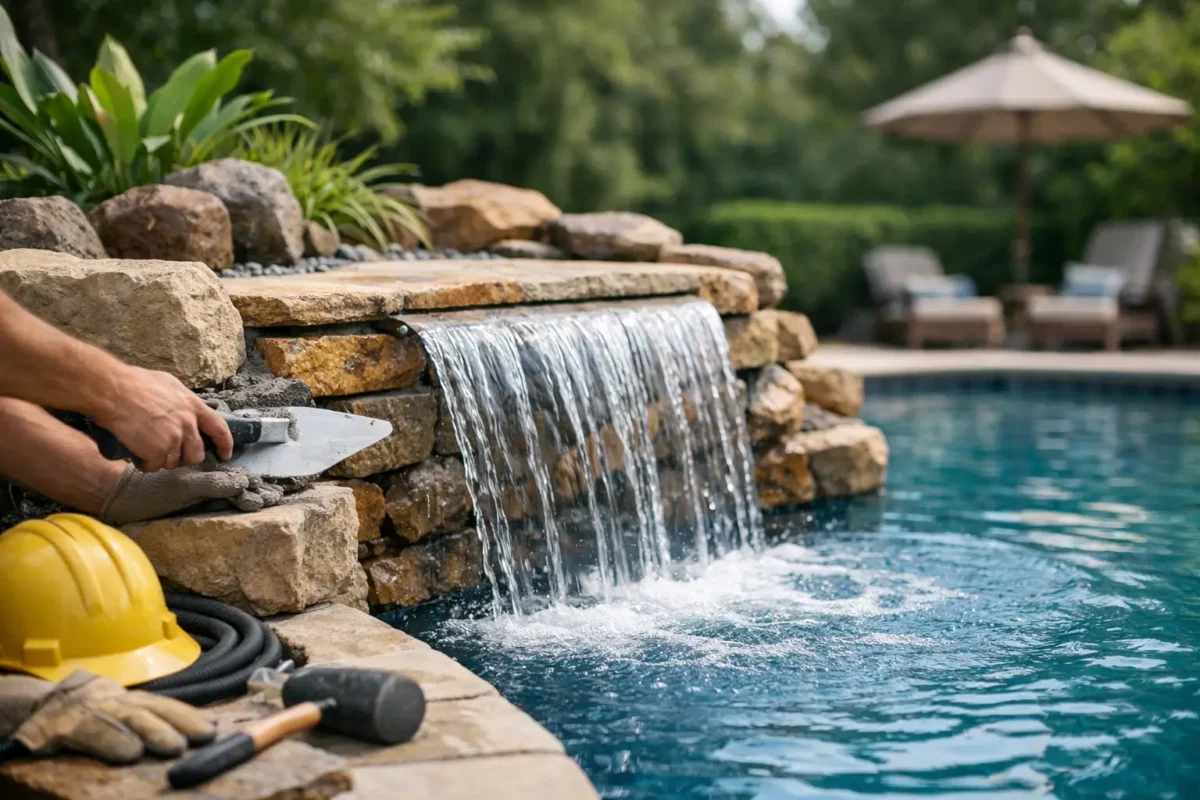
Pool Waterfall Feature Installation Guide

A pool without movement can look polished, but it rarely feels complete. The right pool waterfall feature installation changes that immediately – adding sound, visual depth, and a stronger architectural presence that turns a standard pool into a premium outdoor centerpiece.

For villa owners, developers, hospitality operators, and facility managers, a waterfall is not just a decorative add-on. It affects circulation design, equipment selection, structural planning, and long-term maintenance. When the installation is handled correctly, the result is elegant, durable, and easy to operate. When it is treated as an afterthought, problems show up fast in the form of weak flow, splash loss, noisy pumps, staining, or uneven performance.

Why pool waterfall feature installation deserves proper planning

A waterfall feature changes more than appearance. It introduces a second visual layer to the pool and can soften hard architectural lines with motion and sound. In high-end residential settings, that often means a more refined leisure environment. In hotels, residential towers, and commercial properties, it can strengthen the arrival experience and support a more premium brand image.

There is also a technical side many buyers underestimate. Waterfalls rely on controlled flow rate, correct pipe sizing, suitable pump capacity, and precise installation geometry. The clean sheet effect of a sheer descent, for example, depends on balance and pressure. A natural rock cascade depends on controlled spill points and stable structural support. The desired look determines the engineering approach.

That is why the best results come from planning the feature at the same time as the pool shell, hydraulic layout, and surrounding finishes. Retrofitting is possible, but it usually adds cost and limits some design options.

Choosing the right waterfall style for the property

Not every waterfall fits every pool. The architecture of the property should lead the decision.

Sheer descent and blade waterfalls

These are among the most popular choices for modern pools. They produce a clean, controlled sheet of water that suits contemporary villas, rooftop amenities, and commercial leisure areas with a minimalist finish. They work especially well with tiled feature walls, LED lighting, and geometric pool lines.

The key advantage is precision. The challenge is that precision must be maintained. Uneven leveling, low flow, or poor filtration can disrupt the water sheet and reduce the premium effect.

Rock and lagoon-style cascades

For larger residential landscapes or resort-style developments, a natural cascade can add texture and a more organic look. This style pairs well with freeform pools, planted edges, and settings where the goal is a relaxed luxury atmosphere rather than a sharp architectural statement.

These installations need careful attention to waterproofing, load support, and water return control. What looks natural still requires exact technical execution behind the scenes.

Wall-integrated waterfalls and spillways

This option is ideal when space is limited or when the design calls for a discreet but upscale water feature. A wall-integrated spillway can create movement without dominating the full poolscape. It is often a strong choice for compact villa courtyards, plunge pools, and formal hospitality spaces.

This approach can also be easier to coordinate with existing structures, though access for maintenance should always be considered early.

What determines a successful installation

A premium waterfall depends on equipment quality and installation accuracy in equal measure. One without the other is rarely enough.

Hydraulic design and flow rate

The pump must be sized for the specific feature, not guessed based on the main pool equipment alone. Some waterfalls require a dedicated pump to achieve the right pressure and consistency. Pipe runs, elevation changes, fitting resistance, and feature width all affect performance.

This is where many installations fall short. An underpowered system produces weak flow and inconsistent visual output. An oversized system can create excess splash, noise, and unnecessary energy use. The right balance is what creates a refined final result.

Structural support and waterproofing

If the waterfall is integrated into a wall, raised beam, cladded facade, or rock formation, the supporting structure must be engineered for moisture exposure, movement, and finish durability. In the UAE climate, heat and material expansion can also affect long-term stability.

Waterproofing details matter just as much as the visible finish. A leak behind decorative cladding or inside a raised wall can become expensive quickly. Premium installation means protecting the unseen layers, not just polishing the visible ones.

Finish materials and water behavior

Stone, porcelain, glass mosaic, and textured cladding all create a different visual effect once water runs across them. Some materials highlight a glossy sheet of water. Others break the flow into a softer, more natural pattern.

The choice should match both the design brief and the maintenance expectation. Smooth surfaces are easier to clean and often better for modern waterfalls. Textured finishes can look dramatic but may collect scale or debris more easily.

Pool waterfall feature installation for new builds vs retrofits

New construction offers the best level of freedom. The plumbing, pump room layout, structural reinforcement, and control systems can all be designed around the feature from day one. That usually leads to cleaner aesthetics and fewer compromises.

Retrofit pool waterfall feature installation is still a strong option, especially for property owners upgrading an existing pool to improve value and visual impact. The trade-off is that the installation team must work within the existing shell, deck, and equipment arrangement. In some projects, that may require additional pipe routing, masonry work, or equipment upgrades.

A site review is essential before committing to a retrofit concept. What looks simple in a photo reference may require substantial work in reality.

Equipment selection affects long-term performance

A waterfall is only as reliable as the system behind it. Premium projects should prioritize durable pumps, quality fittings, dependable filtration support, and controls that allow practical operation.

For residential buyers, that may mean setting schedules so the waterfall runs during entertainment hours without increasing wasteful energy use. For hotels and commercial properties, it may mean integrating the feature into broader automation and maintenance protocols.

Water quality should also be part of the discussion. Poor balance can lead to scaling on spill edges, staining on surrounding surfaces, and reduced visual clarity. In a market where presentation standards are high, water treatment and circulation support are not secondary issues.

Cost expectations and what changes the budget

There is no single price for pool waterfall feature installation because design and site conditions vary widely. A compact wall-mounted spillway for a residential pool is very different from a multi-outlet architectural water wall or a custom rock cascade for a resort environment.

Budget usually shifts based on the feature type, the finish material, whether the system needs a dedicated pump, structural work, lighting integration, and access conditions on site. Retrofits often cost more than clients expect because hidden work can include demolition, rerouting, reinforcement, and finish restoration.

The better question is not just what it costs to install, but what it costs to install correctly. A lower upfront price can become expensive if the feature performs poorly, leaks, or requires repeated service interventions.

Why professional installation matters in premium properties

In luxury and commercial environments, the standard is higher. The waterfall must look clean, operate quietly, and hold up under regular use. It also needs to align with the broader design language of the property.

That requires more than access to products. It requires technical judgment, branded equipment knowledge, installation discipline, and ongoing support. A full-scope partner can assess the visual objective, specify suitable components, coordinate the mechanical side, and support maintenance after handover. That is especially valuable when the pool is part of a larger residential development, hospitality asset, or managed facility where downtime is not acceptable.

Aquatic Pools and Fountains works in precisely that space – supplying premium pool and water feature equipment while supporting projects with technical guidance, installation expertise, and service reliability expected in high-value properties.

What to ask before approving the project

Before moving ahead, buyers should ask a few practical questions. Will the waterfall have a dedicated pump or share circulation equipment? How will splash and runoff be controlled? What finish materials are best for the intended water effect? How accessible are the feature components for maintenance? What water treatment measures will protect the visual finish over time?

These questions help separate a decorative concept from a properly engineered installation.

A well-executed waterfall does more than enhance a pool. It gives the entire space a stronger sense of quality, movement, and permanence – and that is exactly what premium aquatic design should deliver.

Categories
Uncategorized

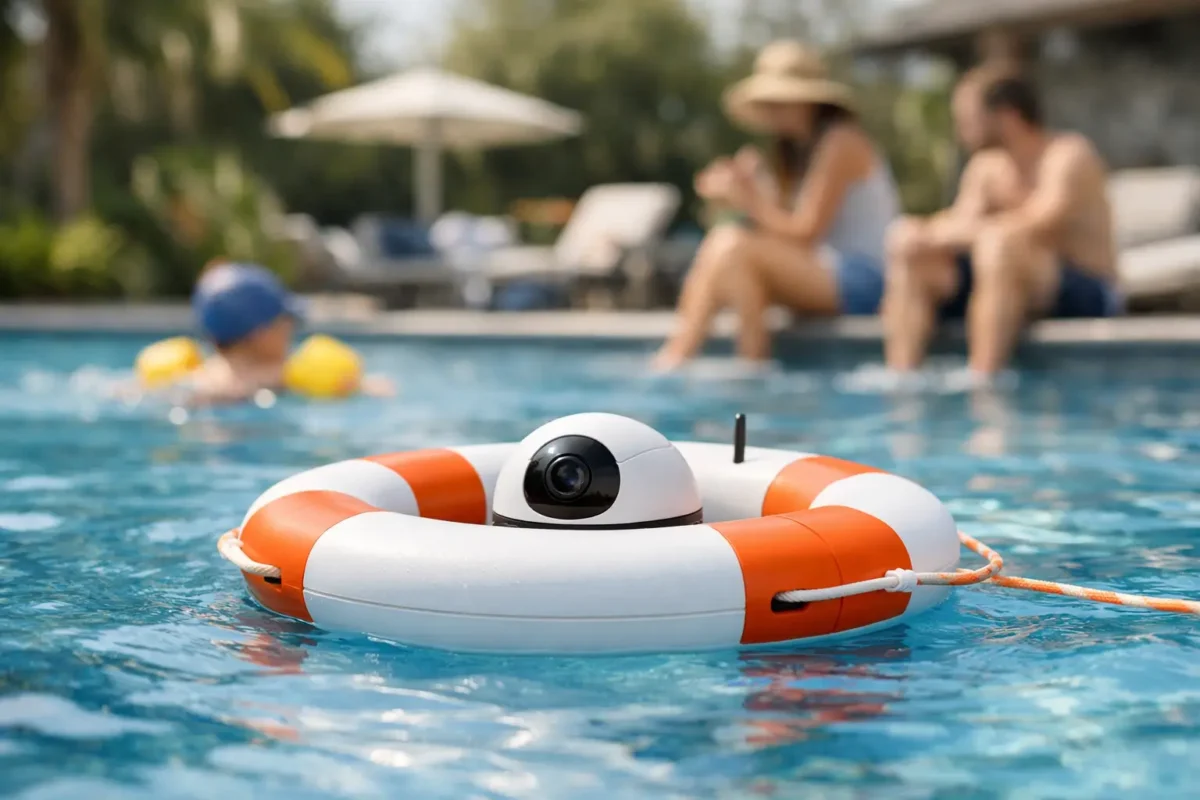
Pool Safety Buoy Ring for Smarter Pool Safety

A pool incident rarely gives you time to think. When a swimmer is struggling, the difference between panic and control often comes down to whether the right rescue equipment is visible, accessible, and ready to use. A pool safety buoy ring is one of the simplest lifesaving tools on any deck, yet it is often treated as an afterthought until a safety inspection, handover, or emergency exposes the gap.

For premium residential pools, hospitality properties, residential towers, and commercial aquatic facilities, that is not a small oversight. Safety equipment needs to match the same standard as the rest of the installation – durable, compliant, easy to identify, and suitable for the environment it serves. A buoy ring that fades quickly, cracks under heat, or is mounted poorly does not support a serious pool safety strategy.

Why a pool safety buoy ring still matters

Modern pools may include advanced circulation systems, elegant finishes, underwater lighting, and automated treatment equipment, but emergency rescue basics remain essential. A buoy ring is not outdated equipment. It is a first-response tool designed to help someone in distress without forcing another person to enter the water immediately.

That matters in both residential and commercial settings. In a private villa, family members or household staff may be the first people on the scene. In a hotel or community facility, security staff, attendants, maintenance personnel, or trained responders may need immediate access before dedicated emergency services arrive. In either case, response speed matters, and equipment visibility matters just as much.

A properly selected pool safety buoy ring gives responders a flotation aid they can throw quickly to a struggling swimmer. It creates distance, reduces direct-contact risk, and can stabilize a person long enough for extraction. In facilities where children, elderly users, or non-swimmers may be present, that practical value is even higher.

What separates a premium pool safety buoy ring from a basic one

Not all buoy rings are built for the same environment. For high-end residential and commercial properties, the decision should not be based on appearance alone or on choosing the lowest-cost option available. Material quality, UV resistance, buoyancy performance, rope configuration, and mounting reliability all affect how useful the ring will be when it is actually needed.

A quality ring should maintain its structure under prolonged sun exposure and poolside heat. This is especially relevant in demanding climates, where intense UV and high temperatures can shorten the service life of poorly manufactured safety products. Color retention also matters. A faded rescue ring is less visible, and reduced visibility weakens its function.

The grab line or attached rope should be secure, strong, and easy to handle with wet hands. If the rope tangles too easily, is too short for the pool area, or shows early wear, the equipment becomes less dependable in a real emergency. Mounting hardware matters too. A ring hidden behind furniture, placed inside a locked room, or attached to weak brackets is not truly available.

Where to place a buoy ring for real emergency use

Placement is where many pool operators get it wrong. A pool safety buoy ring should be immediately visible and reachable from the main pool deck. It should not be installed where decorative features, landscaping, loungers, or service barriers block access. In an emergency, even a few extra seconds of confusion can be costly.

For villa pools, one clearly mounted ring near the primary access point may be sufficient depending on pool size and layout. For larger properties, rooftop pools, hospitality venues, school pools, or community facilities, multiple stations may be necessary. The right number depends on deck length, visibility lines, staffing, and how quickly someone can access rescue equipment from different points around the water.

Mounting height also deserves attention. The ring should be accessible to adults without requiring awkward lifting or bending, and it should be mounted in a way that allows immediate removal. If a site receives visitors unfamiliar with the space, the rescue station should be intuitive enough to identify without explanation.

Compliance, inspections, and operator responsibility

For commercial pools and shared-use residential assets, safety equipment is not just good practice. It is part of responsible facility management. Developers, operators, and facility managers need to think beyond installation day and consider inspection routines, replacement cycles, and readiness standards.

A buoy ring should be included in regular site checks along with ladders, drain covers, signage, lighting, and water treatment controls. Visual inspection is the minimum. Teams should check for cracks, chalking, rope damage, loose brackets, and any sign that the ring has become decorative rather than functional.

This is also where product sourcing matters. Working with a specialized supplier makes it easier to align equipment with the pool type, user profile, and compliance needs of the property. For commercial buyers, consistency across multiple sites can simplify training, procurement, and maintenance planning.

Matching the buoy ring to the pool environment

The right specification depends on the setting. A luxury villa pool may prioritize discreet but elegant mounting, provided visibility and performance are not compromised. A hotel or resort may require more prominent rescue equipment with high-visibility finishes that stand out clearly against the pool deck. A school, club, or residential tower may need equipment that is more tamper-resistant and positioned for broad public access.

Size can also vary. A ring intended for a compact plunge pool may not be ideal for a larger leisure or lap pool. The attached rope length should suit the dimensions of the water body and surrounding deck conditions. If the pool has unusual geometry, overflow edges, deep sections, or adjacent water features, rescue planning should account for those realities rather than relying on a generic setup.

For properties with a broader aquatic environment, including spas, water features, decorative basins, or linked recreational zones, it is worth reviewing whether one safety approach truly covers all use areas. In many cases, it does not.

Aesthetic integration without compromising safety

Premium projects often place a strong emphasis on visual finish, and rightly so. Safety equipment should not make a high-end pool environment look neglected or improvised. At the same time, safety products cannot be hidden to preserve aesthetics. The better approach is to specify equipment and mounting systems that complement the environment while remaining unmistakably functional.

That means using durable, professional-grade accessories, planning the rescue station during the overall layout stage, and avoiding last-minute placement decisions. When safety products are selected as part of the design and operations plan, they look intentional rather than intrusive.

This is especially relevant for luxury residences, hospitality venues, and branded developments where every visible detail contributes to the property’s standard. A well-chosen buoy ring station supports that standard. A cheap, poorly mounted alternative does the opposite.

Why maintenance teams should treat it as active equipment

A pool safety buoy ring is not a decorative compliance item. It is active emergency equipment, and it should be treated that way by maintenance staff and site operators. That includes routine checks, immediate replacement when damage appears, and making sure the ring is never removed from its station without being returned properly.

Teams should also confirm that surrounding access remains clear. Pool decks change over time. Furniture layouts shift, event setups interfere with visibility, and service items get stored where they should not be. A rescue ring that was perfectly positioned at handover may become obstructed months later if no one is reviewing the deck with safety in mind.

For commercial and multi-user sites, staff familiarity matters as much as product quality. People on site should know where the ring is, how to deploy it, and when to use it. The equipment itself is simple. The discipline around it is what makes it effective.

Choosing a supplier that understands pool safety as a system

Safety equipment should not be selected in isolation from the rest of the aquatic installation. The most reliable results come from working with a supplier that understands pool operations, technical standards, and the practical demands of both residential and commercial projects. That is especially valuable when the same project also involves pumps, filtration, lighting, fittings, deck accessories, and maintenance planning.

Aquatic Pools and Fountains supports this kind of integrated approach by supplying premium pool equipment backed by technical guidance and service capability. For buyers who want more than a catalog transaction, that matters. It means the pool safety buoy ring is chosen with the site, the users, and the long-term operating conditions in mind.

If a pool is worth building to a premium standard, it is worth protecting to the same standard. The right rescue equipment does not call attention to itself every day, but when it is needed, nothing about it should feel like an afterthought.

Categories
Uncategorized

Choosing a Robotic Pool Cleaner for Villas

A luxury villa pool should look inviting every day, not only after a maintenance visit. That is exactly why choosing the right robotic pool cleaner for villas matters. In premium residential settings, cleaning equipment is not a minor accessory. It directly affects water clarity, surface protection, operating efficiency, and the overall standard of the pool environment.

In the UAE, villa pools face a demanding mix of heat, dust, fine debris, sunscreen residue, and frequent use. Manual cleaning can handle occasional touch-ups, but it is rarely the most efficient long-term approach for owners who expect consistent results. A robotic unit brings precision, automation, and repeatable performance, which is why it has become a serious consideration for high-end residential pools.

Why a robotic pool cleaner for villas makes sense

Villa pools are often larger, deeper, and more design-led than standard residential pools. Many include overflow edges, custom tiling, tanning ledges, water features, or unusual shapes that collect debris in different ways. A basic suction cleaner may move debris around, but a quality robotic cleaner is built to actively scrub and filter while navigating the pool with more intelligence.

The practical benefit is simple. You reduce manual labor, shorten routine cleaning time, and maintain a better visual standard between scheduled services. For villa owners and property managers, that means less dependence on reactive cleaning and a more polished pool presentation throughout the week.

There is also a technical advantage. Robotic cleaners operate independently from the pool’s main circulation system in many cases, which can reduce strain on filtration equipment. That separation is valuable in premium installations where protecting pumps, filters, and hydraulic balance is part of preserving long-term system performance.

What separates a premium robotic pool cleaner for villas from a basic model

Not every cleaner marketed as automatic is suitable for a villa pool. The difference usually comes down to coverage, build quality, filtration ability, and control systems.

A premium robotic cleaner is designed to clean the floor, walls, and often the waterline with consistency. That matters because the waterline is where oils, dust, and cosmetic residue tend to build up fastest. If a machine only handles the floor, the pool may still appear dirty even after a cleaning cycle.

Filtration quality is another major separator. Fine UAE dust can pass through weaker systems or require frequent intervention. A high-quality robotic cleaner should trap fine particles effectively and make filter access easy. If maintenance is frustrating, owners are less likely to use the machine as often as needed.

Motor strength and traction also matter more than many buyers expect. Smooth tile finishes, sloped floors, and deeper sections can challenge entry-level units. In a villa setting, the cleaner should move confidently across different surfaces without constant repositioning.

Key factors to evaluate before buying

Pool size should be the first checkpoint. A cleaner designed for a small plunge pool will not deliver the same result in a long family pool or a larger leisure pool with feature zones. Cycle time, cable length, battery capacity where applicable, and overall coverage area should all match the actual dimensions of the pool.

Pool shape is just as important. Rectangular pools are simpler for navigation, but many villas feature curves, steps, benches, beach entries, and decorative corners. A model with advanced scanning and route control is usually a better fit for these layouts. Otherwise, you may end up with repeated missed spots.

Surface material should guide your choice as well. Mosaic, ceramic tile, fiberglass, and coated concrete all create different cleaning conditions. Brush type and traction design need to match the surface so the cleaner removes dirt without being too aggressive or losing grip.

Debris type is another practical consideration. If the pool area is exposed to landscaping, windblown dust, or regular leaf fall, the cleaner should handle both fine and larger debris without clogging too quickly. In enclosed or indoor villa pools, the demand may lean more toward fine filtration and waterline cleaning than heavy debris capture.

Finally, think about user convenience. Lift systems, caddy storage, top-access filter baskets, scheduled cleaning modes, and app control are not luxury add-ons for the sake of appearance. In many cases, they determine whether the cleaner becomes part of an efficient routine or ends up unused in a storage room.

Performance matters more than features on paper

It is easy to be impressed by long feature lists, but performance in real conditions is what counts. A robotic cleaner may advertise smart navigation, dual motors, and multiple cleaning cycles, yet still struggle with wall climbing or miss debris along edges.

For villa owners, the best buying decision is usually based on reliability over novelty. A machine that delivers strong day-to-day cleaning with straightforward maintenance is more valuable than one with advanced settings that add complexity without improving results.

This is where product quality and technical guidance make a real difference. Premium properties deserve equipment selected for the actual pool design, not simply the most heavily advertised model. That approach protects both the visual finish of the pool and the owner’s investment over time.

Installation environment in Dubai and the UAE

Pools in Dubai and across the UAE operate under conditions that can shorten the life of lower-grade equipment. Heat exposure, intense UV, airborne sand, and long operating seasons all place pressure on materials and components. For a robotic pool cleaner, durability is not optional.

Cable quality, housing strength, sealing, motor protection, and filter design all influence how well the cleaner performs over time. A low-cost unit may appear attractive initially, but frequent breakdowns, weaker cleaning ability, and shorter service life often make it more expensive in practice.

That is why many premium buyers prefer to source through an experienced equipment partner rather than making a decision based on price alone. The cleaner should suit the local environment, the pool’s technical setup, and the service expectations of a high-value property.

Robotic cleaners versus manual and suction cleaning

Manual vacuuming still has a place, especially for spot cleaning or after heavy debris events. It gives the operator direct control and can be useful for unusual conditions. The drawback is obvious. It takes time, depends on labor availability, and rarely delivers the same consistency when used irregularly.

Suction-side cleaners can be effective for certain pool types, but they rely more heavily on the pool’s circulation system and generally offer less precise scrubbing and filtration than a strong robotic cleaner. For villa pools where finish quality and presentation are priorities, suction cleaning can feel like a compromise.

A robotic cleaner usually provides the best balance of independence, cleaning depth, and routine convenience. That does not mean every villa needs the same model or cleaning schedule. Some pools benefit from daily cycles, while others perform well with several runs per week alongside professional maintenance. It depends on usage, surrounding environment, and owner expectations.

Why expert selection saves money over time

The wrong cleaner can create hidden costs. Poor coverage leads to more manual intervention. Weak filtration allows fine dust to remain in the pool. Inadequate traction can leave algae-prone areas untouched. Frequent repairs or early replacement add further expense.

The right unit, by contrast, supports a cleaner pool with less effort and better asset protection. It can help maintain tile appearance, reduce debris load on the main filtration system, and support a more stable cleaning routine. For luxury villas and managed residential assets, that consistency matters.

Aquatic Pools and Fountains works with clients who expect premium performance, not guesswork. In that type of environment, equipment selection should be approached with the same attention given to pumps, filters, lighting, and water treatment systems. A robotic cleaner is part of the overall pool standard, not a secondary purchase.

Choosing with the full pool system in mind

A robotic cleaner should never be viewed in isolation. The best result comes when it fits into a broader maintenance strategy that includes circulation efficiency, chemical balance, filtration quality, and scheduled technical support.

For example, even the best cleaner will not compensate for poor water chemistry or inadequate turnover. At the same time, excellent hydraulic equipment cannot keep a pool visually pristine if debris is settling on floors, steps, and waterlines every day. The strongest pool environments are built on coordinated systems, not single-product expectations.

For villa owners, developers, and facility teams, the smart move is to choose equipment that reflects the level of the property. A robotic pool cleaner should match the scale, finish, and operational demands of the pool it serves. When selected correctly, it adds efficiency, protects presentation, and supports the premium standard your pool is meant to deliver.

The right cleaner does more than collect debris. It helps keep a villa pool ready for use, ready to impress, and easier to maintain at the level a high-end property deserves.