
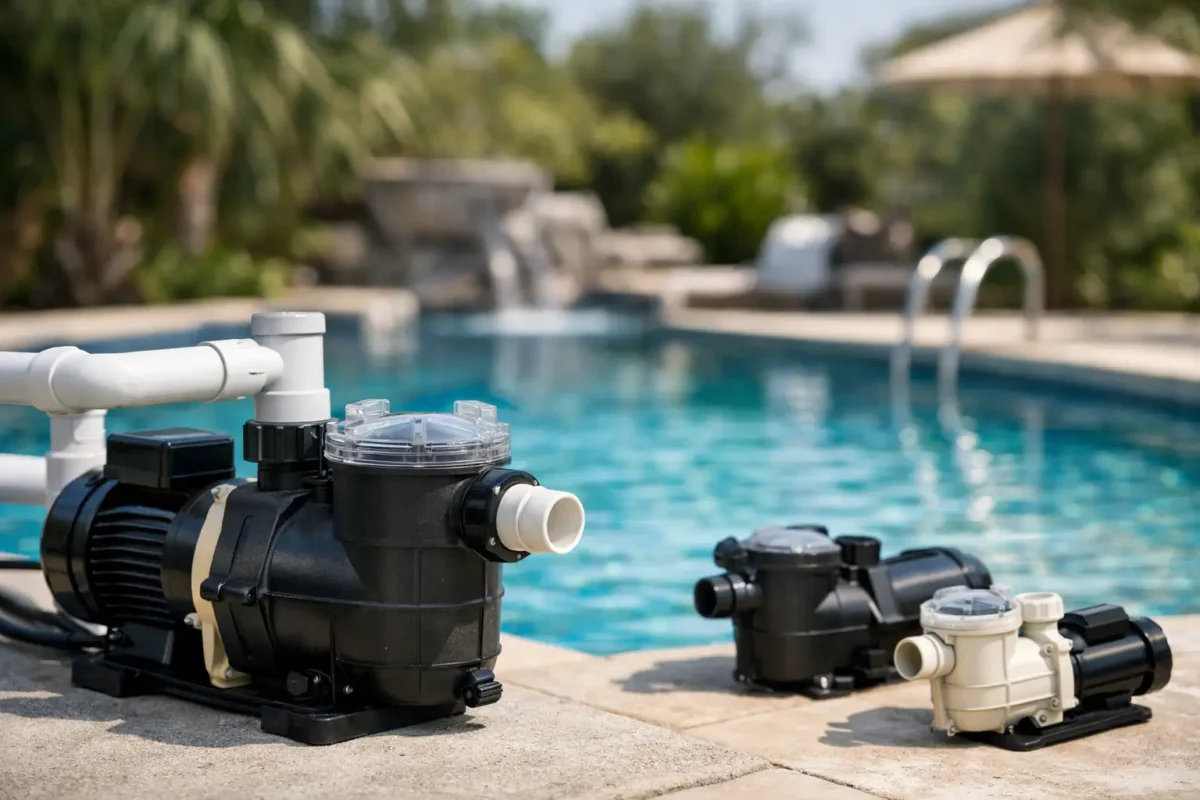
A pool can look immaculate at sunrise and still be working against hidden circulation problems. When water turns dull, debris lingers, chemical readings fluctuate, or the equipment room becomes unusually loud, the pool pump is often at the center of the issue. This essential piece of equipment drives water through the filter, heater, disinfection system, and returns, protecting both water quality and the investment behind a premium pool installation.
For villas, residential towers, hotels, and commercial properties in Dubai and across the UAE, pump selection is not simply about choosing the largest available model. The right solution depends on hydraulic design, pool volume, filter capacity, pipework, operating hours, and the features connected to the system. A properly specified pump delivers clear water, controlled energy costs, quieter operation, and dependable performance in demanding heat.
Why the Pool Pump Sets the Standard
Every circulation system relies on consistent water movement. The pump pulls water through the skimmer and main drain, pushes it through the filtration and treatment equipment, then returns clean water to the pool. If circulation is too weak, contaminants remain in the water longer and chemicals do not distribute evenly. If it is too forceful, it can create unnecessary noise, waste energy, strain fittings, and reduce filtration efficiency.
The objective is to achieve the correct turnover rate: the time required for the full pool volume to pass through the filtration system. A private villa pool may have very different turnover requirements from a heavily used hotel pool or community facility. Bather load, outdoor exposure, water temperature, and local environmental conditions all affect the final specification.
This is why pump capacity must be matched to the entire system, not chosen in isolation. A high-output unit attached to undersized pipework or a filter with insufficient flow capacity will not improve results. It may instead create pressure issues and shorten the service life of connected equipment.
Selecting the Right Pool Pump Capacity
Pump sizing begins with pool volume, but volume is only one part of the calculation. The system must overcome total dynamic head, which is the resistance created as water travels through pipes, bends, valves, filters, heaters, chlorinators, and water features. Long pipe runs, elevated equipment rooms, and decorative features such as waterfalls or fountains can add substantial resistance.
A professional assessment considers the desired flow rate alongside this resistance. The goal is to move enough water to maintain the appropriate turnover without exceeding the operating range of the filter, heater, or treatment equipment. In luxury projects, this balance is especially valuable because the circulation system may serve multiple zones, spa jets, overflow channels, and visually sensitive water features.
For a standard residential pool, an appropriately sized single-speed or variable-speed pump may be sufficient. For larger properties, hospitality facilities, and pools with high daily use, commercial-grade pumps may be required to support longer operating schedules and more demanding filtration loads. The best choice depends on the system design, not a generic horsepower figure.
Consider the Filter Before Choosing the Pump
The pump and filter operate as a matched pair. Every filter has a recommended flow range. If pump output is too low, water may not circulate and filter effectively. If it is too high, water can move through the media too quickly, reducing filtration quality and raising pressure inside the system.
Sand filters, cartridge filters, and glass media systems each have different operating characteristics. A well-designed pump selection respects the filter’s rated capacity while allowing enough margin for real-world conditions, including dirty filter media, seasonal debris, and extended running periods.
Account for Features and Equipment Zones
Waterfalls, deck jets, infinity edges, spa circulation, heat-cool pumps, salt chlorinators, and UV or ozone disinfection systems can all influence the pump requirement. Some projects benefit from separate pumps for filtration and water features. This allows the main filtration system to run efficiently while decorative features operate only when needed.
Separating these functions can reduce wear, improve control, and prevent a feature pump from dictating the size and energy use of the primary circulation system. For commercial and high-visibility installations, it also creates better operational flexibility during maintenance.
Variable-Speed Pool Pump Benefits
Variable-speed technology has become a preferred choice for many modern pools because it provides control that traditional single-speed models cannot. Rather than running at one fixed speed, a variable-speed pump can operate at lower speeds for routine filtration and increase output when the system needs additional flow for backwashing, heating, vacuuming, or water features.
Lower-speed operation typically uses significantly less electricity and produces less noise. This matters in villa equipment rooms located near outdoor living areas, as well as apartment and hospitality properties where guest comfort is a priority. A quieter circulation system supports the refined environment expected of a premium installation.
The trade-off is a higher upfront investment and the need for correct programming. A variable-speed unit should not be installed and left at maximum output all day. Its value comes from setting suitable schedules and speeds based on the pool’s actual needs. A professional technician can establish filtration cycles that maintain water clarity while avoiding unnecessary energy consumption.
Single-speed pumps can still be appropriate in certain applications, especially where the system is simple, operating demands are limited, or an existing installation has specific compatibility requirements. The decision should be based on lifecycle value, not purchase price alone.
Installation Details That Protect Performance
Even a premium pool pump can underperform if installation standards are overlooked. Correct pipe sizing, proper valve placement, secure foundations, ventilation, and accessible service clearance all affect reliability. The pump should be positioned to minimize unnecessary suction resistance and installed on a stable base that limits vibration.
Electrical protection is equally critical. The equipment must be connected in accordance with local safety requirements, with appropriate isolation and protection from moisture. In the UAE climate, equipment rooms also require adequate ventilation. High ambient temperatures can place extra stress on motors and electronic controls, particularly when the room is enclosed or exposed to direct sun.
A properly fitted strainer basket protects the pump from leaves, hair, and larger debris before water reaches the impeller. This small component deserves regular attention. A blocked basket reduces flow, makes the motor work harder, and can contribute to cavitation, a damaging condition often identified by rattling or crackling sounds inside the pump.
Maintenance Signs You Should Not Ignore
A circulation system rarely fails without warning. Reduced return flow, air bubbles in the pump lid, repeated loss of prime, rising filter pressure, water leaks, or an unusually hot motor all require prompt inspection. Ignoring these signals can turn a minor seal, basket, or valve issue into a more expensive motor or equipment replacement.
Routine maintenance should include cleaning the pump basket, checking the lid O-ring, monitoring pressure readings, inspecting unions and valves for leaks, and confirming that the programmed run time matches current usage. Filters should also be cleaned or backwashed according to their condition rather than an arbitrary schedule. Excessive backwashing wastes water, while waiting too long restricts circulation.
For commercial properties, documented maintenance is particularly valuable. It helps facility teams identify changes in flow, pressure, energy use, and operating behavior before water quality is affected. Scheduled inspections also support a more predictable replacement strategy for mechanical components.
A Premium Approach to Pool Circulation
A pool pump should support the entire experience of the pool: clear water, quiet surroundings, stable treatment performance, and lower long-term operating costs. Selecting equipment from trusted global brands is essential, but technical guidance is what ensures that the equipment performs as intended once installed.
Aquatic Pools and Fountains provides pool circulation solutions for residential and commercial projects that require dependable equipment, professional installation, and ongoing technical support. From replacement pumps for existing villas to engineered systems for new developments, the right recommendation begins with understanding the full hydraulic picture.
The most effective time to address pump performance is before cloudy water, rising energy bills, or equipment failure forces an urgent decision. A properly sized, professionally installed, and well-maintained pump keeps the water moving exactly as a premium pool should.