Aquatic

Categories
Uncategorized

Choosing Swimming Pool Equipment That Lasts

A beautiful pool can lose its appeal fast when the system behind it is underpowered, noisy, difficult to maintain, or simply not built for the environment. That is why swimming pool equipment should never be treated as an afterthought. For villas, residential towers, hotels, and commercial properties, the right equipment determines water quality, operating cost, safety, and the long-term value of the installation.

In premium projects, appearance and engineering go together. A pool may look impressive on day one, but lasting performance depends on what sits in the plant room, how each component is sized, and whether the system is supported by experienced technical guidance. Buyers who focus only on upfront price usually pay more later through downtime, frequent replacement, and inconsistent water conditions.

What swimming pool equipment actually includes

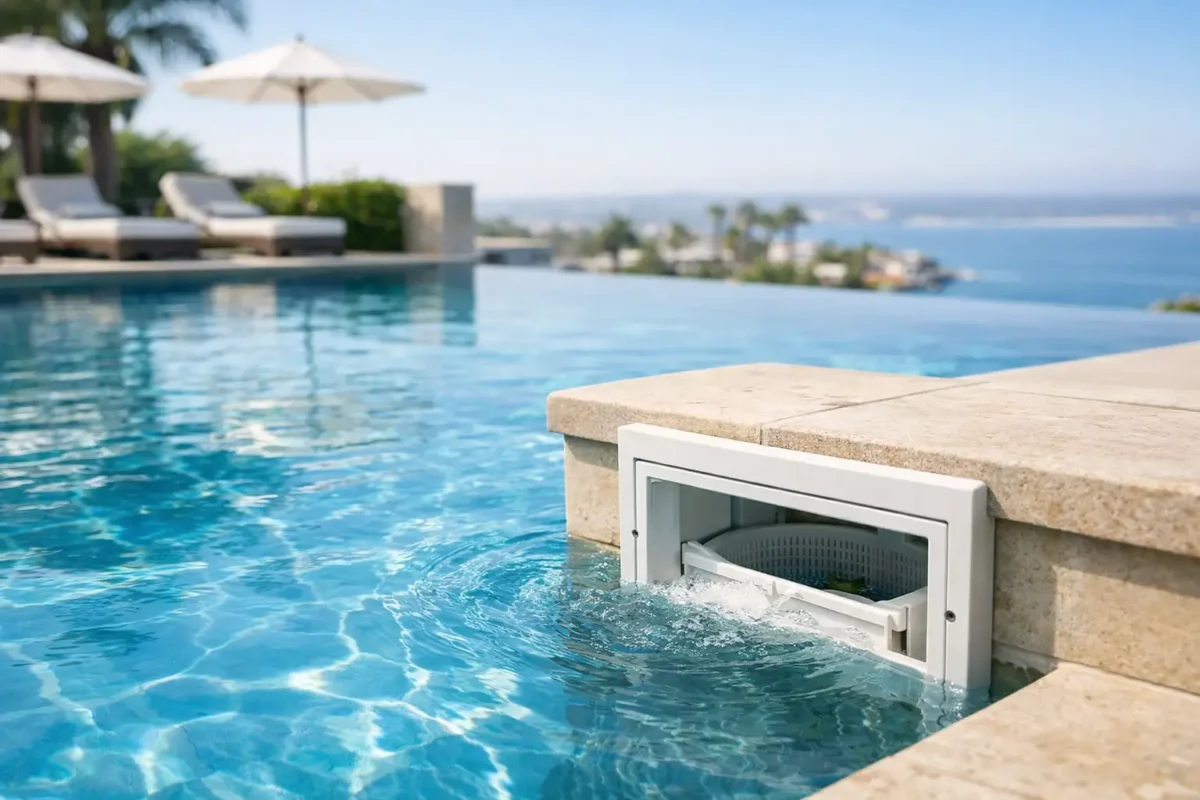
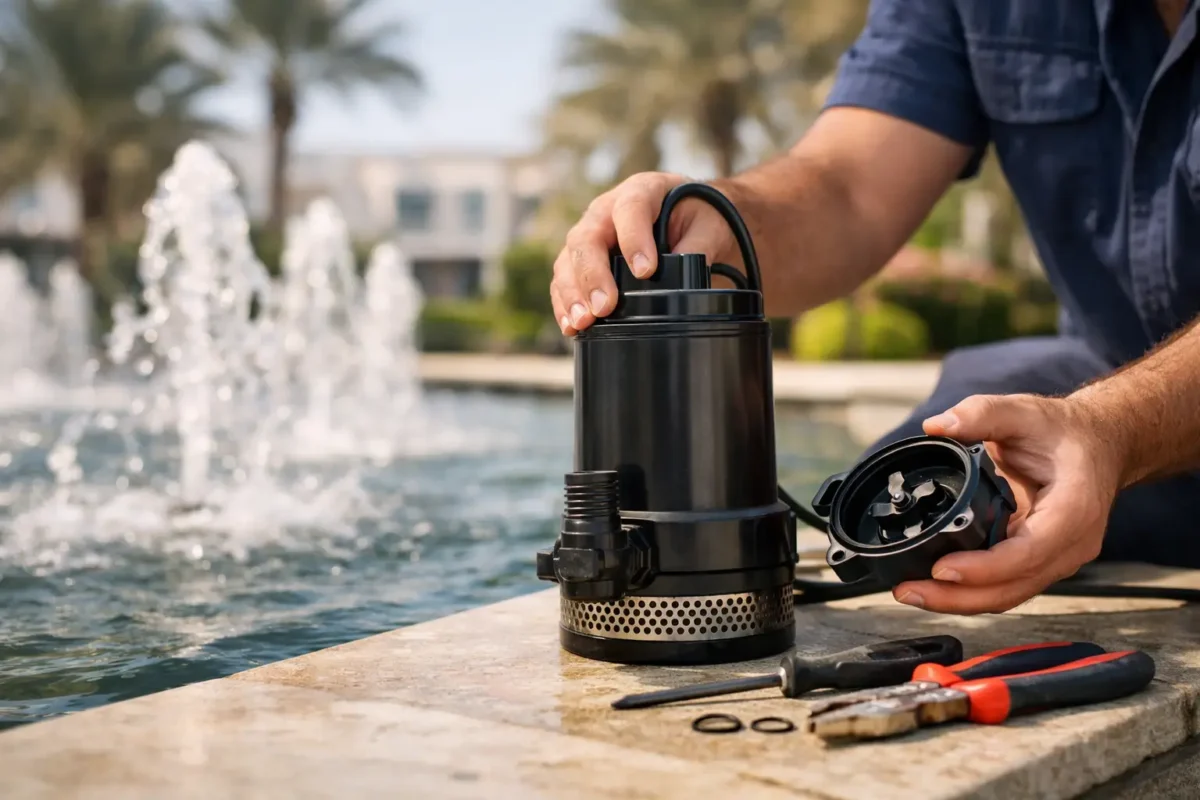
The term swimming pool equipment covers far more than a pump and filter. A complete setup is a coordinated system designed to circulate, clean, disinfect, protect, and enhance the pool. Core equipment typically includes pumps, filtration systems, underwater lighting, fittings, cleaning tools, disinfection units, chemical dosing solutions, heat-cool pumps, water testing systems, and safety products.

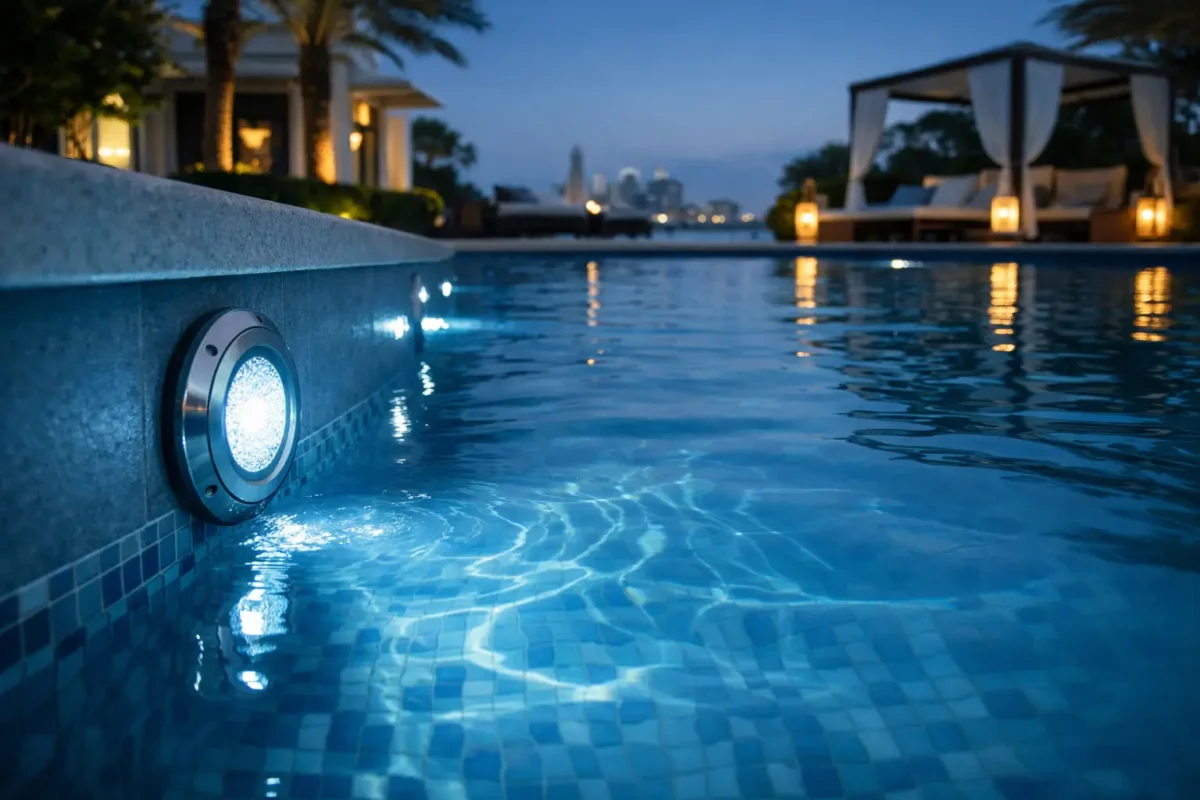
For high-end residential and commercial environments, each category matters. Pumps keep water moving at the right rate. Filters remove suspended particles that make water look dull or place strain on sanitation systems. Disinfection equipment controls bacteria and algae. Lighting shapes the visual effect of the pool at night. Safety and surround accessories support usability, compliance, and peace of mind.

This is where many projects go wrong. Equipment is often purchased in pieces rather than designed as one operating system. A powerful pump paired with the wrong filter, or a luxury pool finished with basic fittings, creates avoidable performance issues. Premium results require compatibility, balance, and technical planning.

The equipment decisions that have the biggest impact

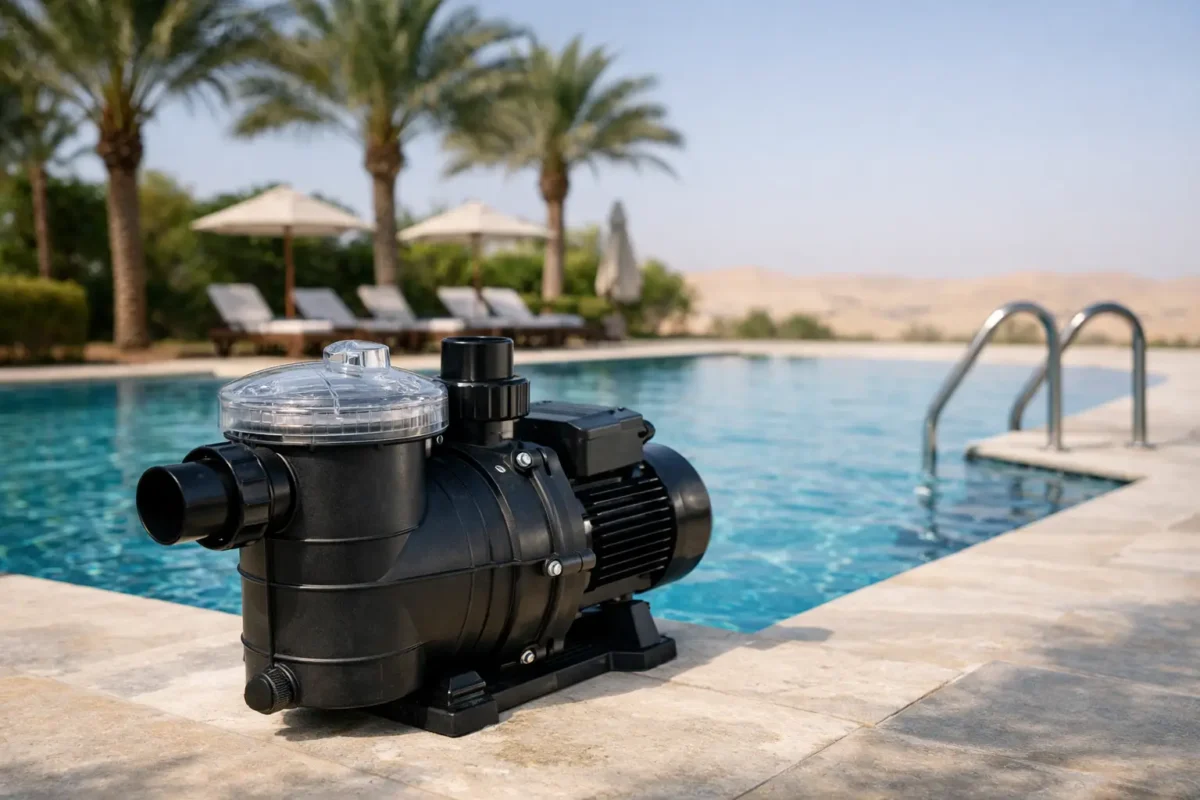
Pump selection is one of the most important choices in any pool system. The pump drives circulation, which affects filtration, chemical distribution, and water clarity. An undersized pump may struggle to maintain healthy turnover. An oversized pump can waste energy, create noise, and put unnecessary pressure on the system. The best choice depends on pool size, pipe design, intended usage, and whether the site is residential or commercial.

Filtration deserves the same attention. Sand filters remain popular for durability and straightforward operation, while cartridge and specialty filtration options can offer finer performance in the right application. What matters most is not choosing the trendiest option but selecting a filter that matches the hydraulic design and maintenance expectations of the property.

Disinfection is another area where short-term thinking creates long-term problems. Basic manual chlorination may be sufficient for some pools, but larger properties, hospitality settings, and high-use facilities often benefit from more advanced dosing and disinfection systems. These setups help maintain stable water quality with greater consistency. They also reduce the risk of human error, which is especially important where guest experience and public health standards are involved.

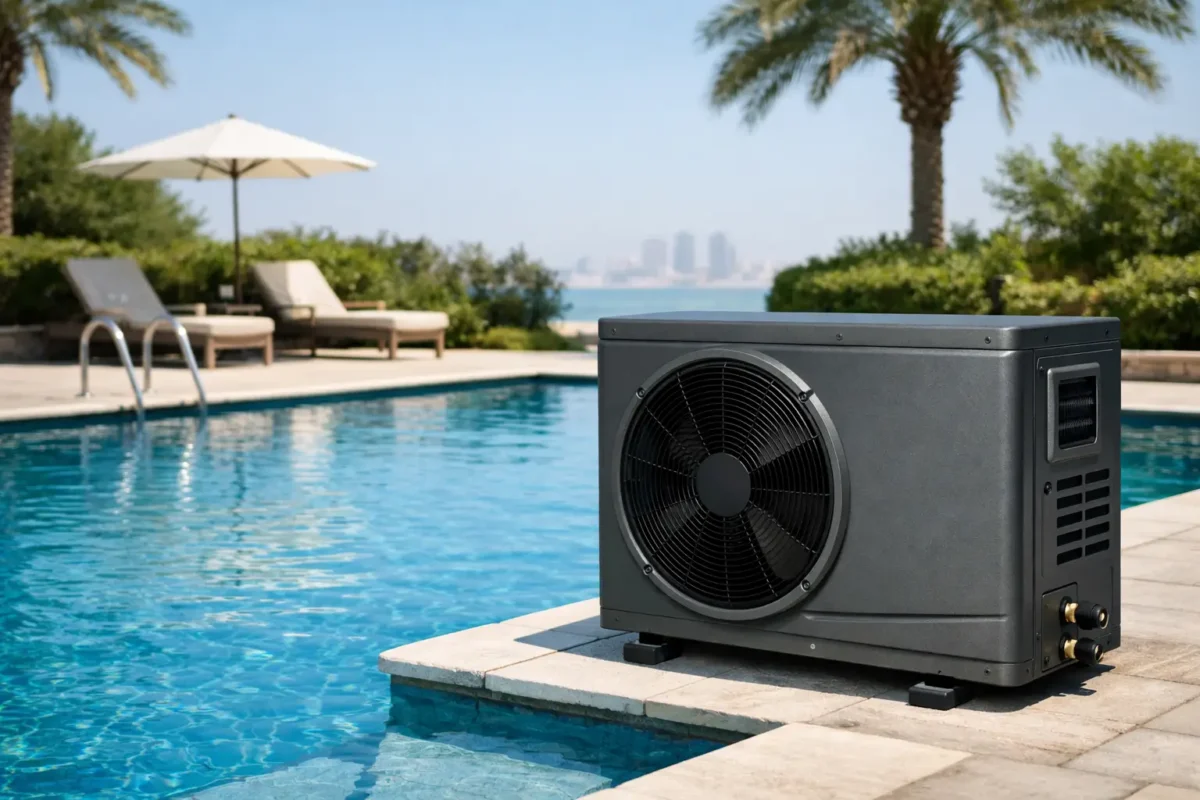
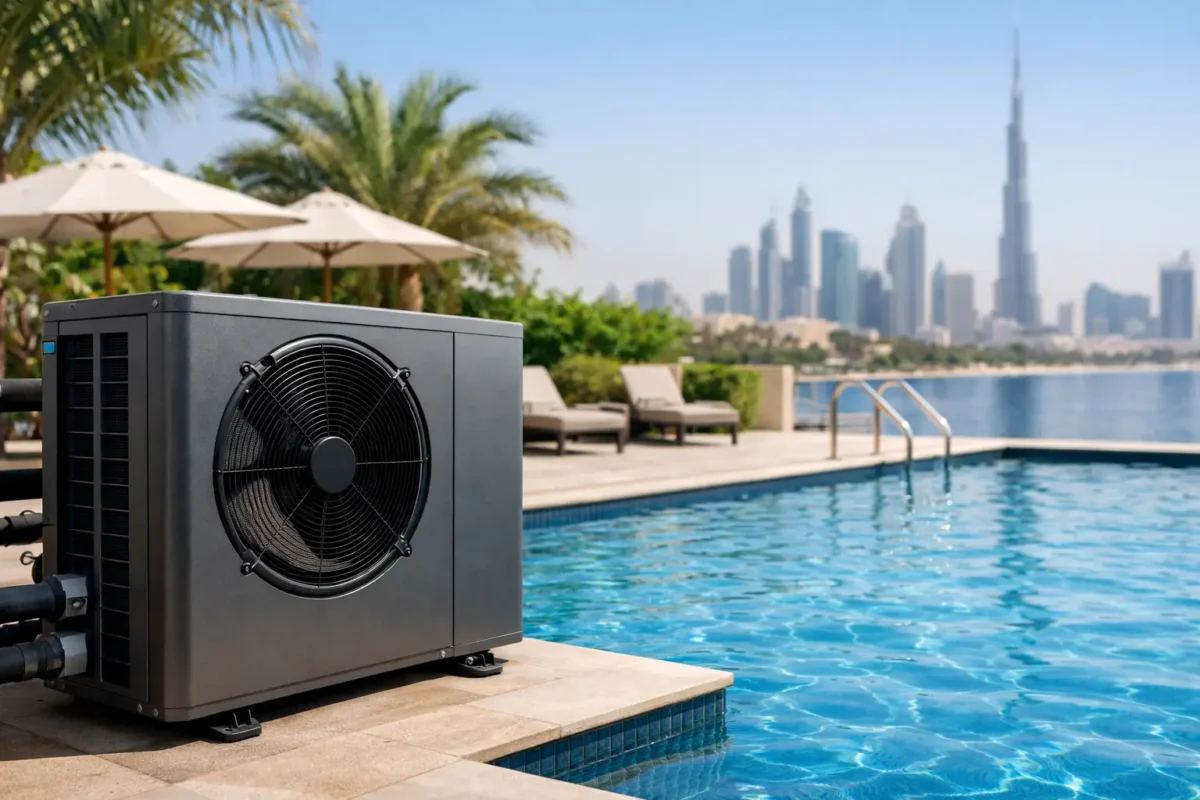
Temperature control has become increasingly important across the UAE. A pool that is uncomfortable for part of the year will not deliver full value. Heat-cool pumps allow owners and operators to manage water temperature more efficiently, extending usability and improving comfort without relying on less efficient methods. For luxury villas and hospitality properties, this is not a minor upgrade. It directly affects how often the pool is used and how the asset is perceived.

Why premium properties need a higher standard of swimming pool equipment

Not every pool has the same demands. A private villa pool used by a family a few times a week does not operate like a hotel pool, a residential tower amenity, or a commercial water feature. Usage patterns, bather load, operating hours, and design expectations all change the equipment requirement.

For residential buyers, the priority is often a combination of quiet operation, visual elegance, low maintenance, and dependable water quality. Equipment needs to perform well without becoming a constant management task. Owners also want solutions that protect the finish, preserve energy efficiency, and support a refined outdoor living environment.

Commercial projects require a more rigorous approach. Facility managers and developers need systems that can withstand heavy usage, maintain consistent performance, and support efficient service routines. In these settings, product quality is only part of the equation. Spare parts availability, technical support, and maintenance response also matter because downtime affects residents, guests, and brand reputation.

That is why experienced buyers do not look at swimming pool equipment as a simple product purchase. They look at it as an operational decision. The right supplier should be able to advise on product selection, installation requirements, maintenance strategy, and future servicing from the start.

Climate, water conditions, and durability in the UAE

Environmental conditions in Dubai and across the UAE place real demands on pool systems. Heat, dust, heavy sun exposure, and intensive year-round usage can accelerate wear if equipment quality is compromised. Materials, build standards, and installation quality all affect how well a system performs over time.

This is one reason branded, high-quality components continue to outperform lower-cost alternatives in premium projects. Better engineering typically means stronger reliability, more stable operation, and improved service life. It may also mean better efficiency, which becomes increasingly relevant when pools are operating daily across residential compounds, hospitality assets, and commercial developments.

Durability is not only about the equipment casing or the specification sheet. It also depends on whether the system is installed correctly and serviced properly. Even a leading pump or filtration unit will underperform if pipe sizing is wrong, fittings are poorly selected, or routine maintenance is ignored. Technical execution matters as much as product quality.

Installation and maintenance are part of the equipment decision

Buyers often separate equipment supply from installation and aftercare, but that approach can create gaps in accountability. If one party sells the products and another installs them without close coordination, performance issues become harder to diagnose and resolve.

A full-scope partner brings more control to the process. Equipment selection can be aligned with site conditions, hydraulic requirements, aesthetics, and budget. Installation can be completed according to manufacturer expectations and project standards. Ongoing maintenance then protects the investment, keeping performance stable and helping identify wear before it turns into a system failure.

For developers and commercial operators, this integrated model is especially valuable. It simplifies procurement, reduces risk, and supports consistency across multiple assets. For villa owners, it removes guesswork and provides confidence that the pool will continue to perform as designed.

Aquatic Pools and Fountains serves this need by combining premium product supply with technical support, installation expertise, and dependable maintenance service for both residential and commercial aquatic environments.

How to choose the right supplier for swimming pool equipment

A strong supplier should offer more than catalog variety. Range matters, but so do technical knowledge, stock availability, service capacity, and the ability to recommend the right solution rather than the most convenient one to sell.

For buyers comparing options, the better questions are practical. Can the supplier support both standard and custom requirements? Do they understand the difference between a decorative residential pool and a high-demand commercial installation? Can they advise on pumps, filters, lighting, disinfection, testing, heating, fittings, and cleaning systems as one coordinated package? And if a component needs replacement or servicing later, can they support that quickly?

There is also a design consideration. In luxury properties, equipment should support the visual standard of the project, not compromise it. Lighting quality, fitting finish, water feature integration, and surround accessories all influence the final result. A technically correct pool that looks ordinary is still a missed opportunity in a premium environment.

The best buying decisions come from balancing engineering, aesthetics, and long-term serviceability. That balance is where real value is created.

Better equipment protects the investment

A pool is not a decorative extra. In many properties, it is a central lifestyle feature, a guest-facing amenity, or a value driver for the asset itself. When the equipment behind it is carefully selected, professionally installed, and properly maintained, the result is cleaner water, lower disruption, stronger durability, and a more polished ownership experience.

If you are planning a new pool, upgrading an aging system, or managing a high-visibility property, choose swimming pool equipment with the same standards you would apply to the rest of the project. The right system works quietly in the background, protects the investment every day, and lets the pool deliver exactly what it was built to offer.

Categories
Uncategorized

Chlorine Tablets for Clean, Balanced Pools

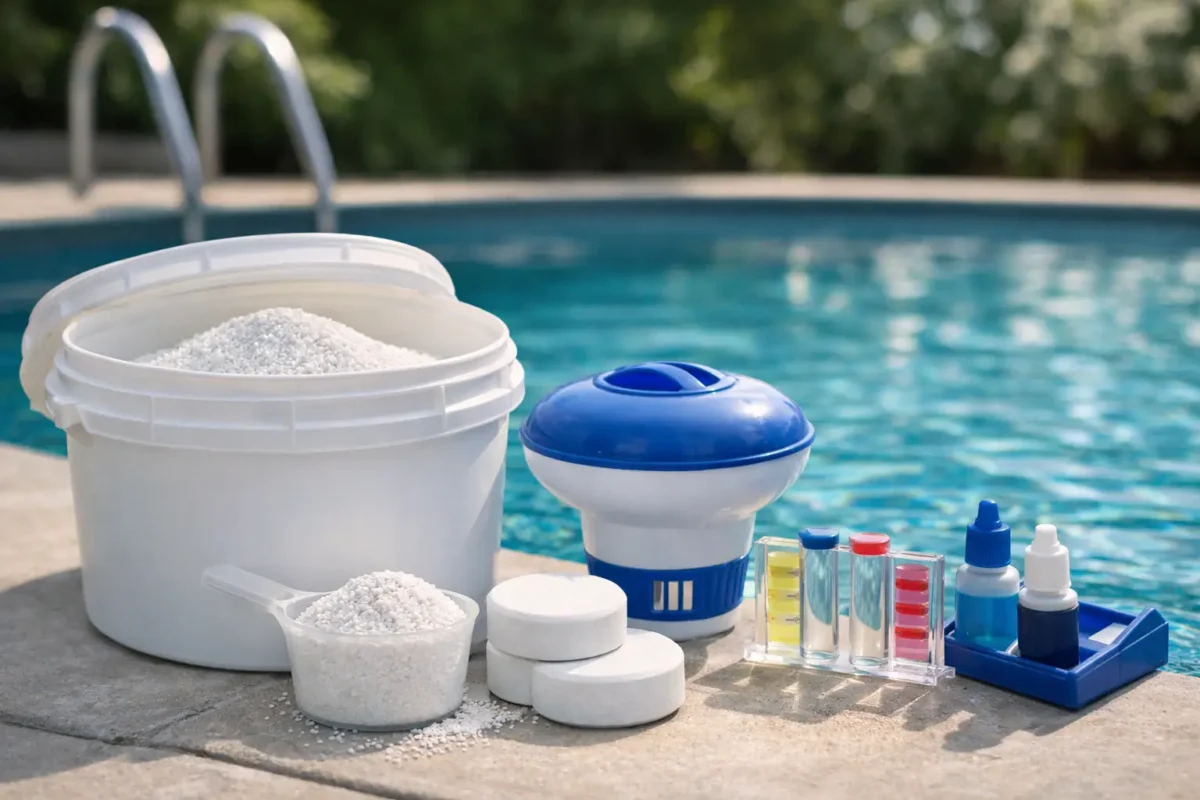
A pool can look perfectly clear and still be chemically unstable by the afternoon. In hot climates and high-use environments, chlorine tablets remain one of the most reliable ways to maintain steady sanitation without constant manual dosing. For villa pools, hospitality properties, and commercial facilities, they offer practical control, consistent disinfection, and a cleaner operating routine when paired with proper testing and circulation.

Why chlorine tablets remain a standard choice

Chlorine demand changes throughout the day. Sun exposure, swimmer load, windblown debris, and water temperature all affect how quickly sanitizer is consumed. Tablets help smooth out those fluctuations by dissolving gradually, which makes them especially useful for pools that need dependable daily protection.

That steady release is the main advantage. Instead of sharp chemical peaks followed by long drops, chlorine tablets support a more even sanitizer residual. In residential pools, that means simpler upkeep. In commercial settings, it means a more controlled water treatment strategy and fewer sanitation surprises between service intervals.

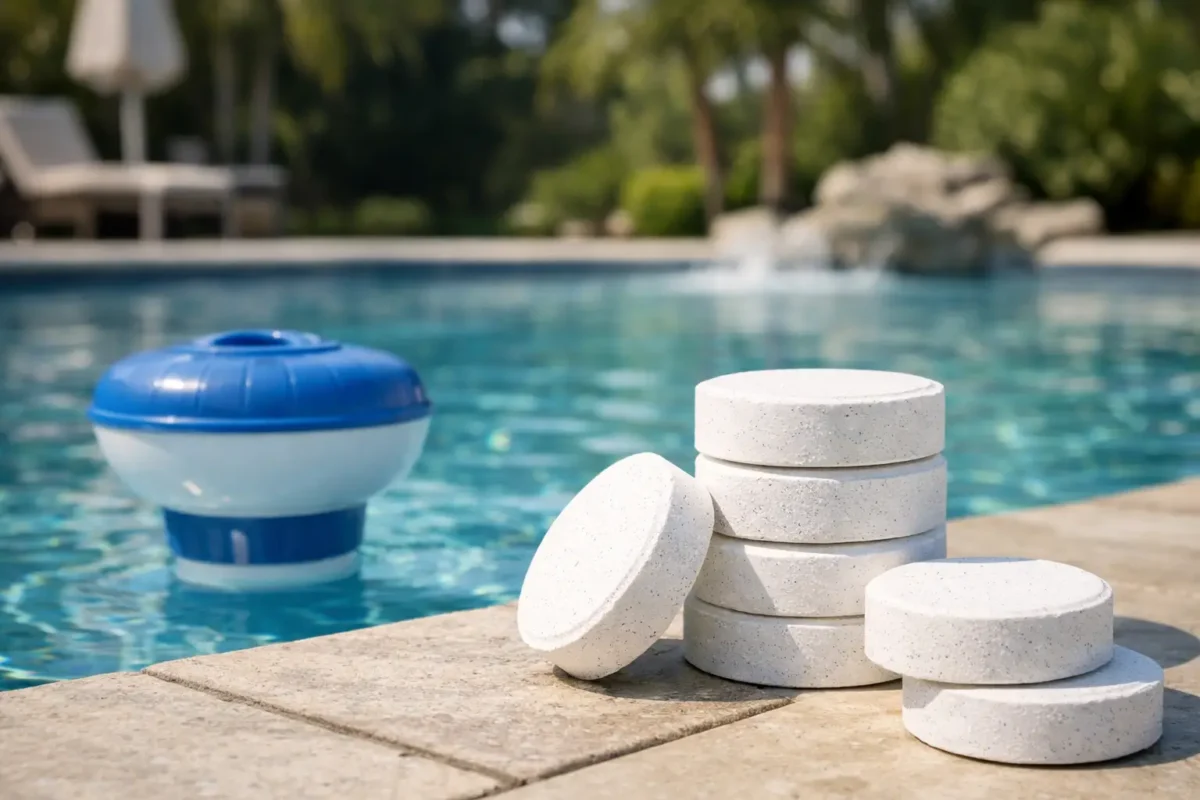
They are also easy to integrate into established systems. Most are used in floating dispensers or automatic chlorinators, so there is no need to hand-feed sanitizer every day. For properties where presentation matters as much as performance, that consistency supports both water clarity and user confidence.

How chlorine tablets work in real pool conditions

Most chlorine tablets used for swimming pools are formulated to dissolve slowly as water moves around them. As they dissolve, they release chlorine into the water to kill bacteria, control algae, and oxidize organic contaminants.

The actual dissolve rate depends on several factors. Water flow makes a difference, so a tablet in an efficient feeder will behave differently from one in a floating dispenser. Water temperature also matters. Warmer water generally increases chlorine consumption, which is especially relevant in sunny outdoor pools. Bather load matters too. A private pool used on weekends has different sanitation needs than a hotel pool or a shared residential facility operating every day.

This is where experience matters. Tablets are effective, but they are not a set-and-forget solution. They work best as part of a complete water treatment program that includes filtration, circulation, pH adjustment, and routine testing.

Choosing the right chlorine tablets

Not all tablets perform the same way, and selection should match the pool’s size, usage pattern, and treatment equipment. For most applications, larger slow-dissolving tablets are preferred because they deliver a controlled feed over time. They are widely used in both residential and commercial pools because they support stable sanitizer levels with less manual intervention.

Quality matters. Lower-grade chemical products may dissolve unevenly, leave residue, or create inconsistent dosing. For premium aquatic environments, it makes sense to use chlorine tablets from trusted manufacturers with clear labeling, predictable performance, and suitable compatibility with your chlorinator or feeder system.

It also helps to think beyond the chemical itself. If the circulation system is weak, the feeder is undersized, or the water balance is already off, even a high-quality tablet will not solve the underlying issue. Reliable sanitation comes from the whole system working correctly, not from one product alone.

Where to place chlorine tablets safely

The safest and most effective place for chlorine tablets is in a designated feeder, chlorinator, or floating dispenser designed for that purpose. This allows controlled contact with moving water and reduces the risk of concentrated chlorine damaging pool finishes or equipment.

They should not be placed directly in the skimmer basket unless a professional specifically recommends it for the system and operating pattern. When the pump shuts off, highly chlorinated water can sit in the plumbing line and increase wear on equipment. That trade-off is often overlooked, especially in residential pools where owners are trying to simplify maintenance.

Direct placement in the pool is also a poor practice. A tablet resting on the finish can cause surface staining or bleaching. In premium pools with refined tile, plaster, or custom interior finishes, that is not a small mistake. Correct dosing equipment protects both the water and the investment.

What chlorine tablets do well – and where caution is needed

Chlorine tablets are excellent for maintaining a baseline sanitizer level. They are practical, compact to store, and efficient for routine use. For many pool owners and facility teams, they reduce labor and make day-to-day water care more manageable.

Still, they are not the answer to every water problem. If a pool has already turned cloudy or algae has started to develop, tablets alone may act too slowly. In those cases, a faster corrective treatment may be required along with filtration support and balance correction.

There is also a chemistry trade-off to understand. Many tablets add stabilizer to the water as they dissolve. Stabilizer helps protect chlorine from sunlight, which is useful in outdoor pools, but excessive buildup can reduce chlorine efficiency over time. In practical terms, that means the pool may test as if chlorine is present while sanitation performance still falls short.

For that reason, regular water testing is essential. A pool that relies heavily on chlorine tablets without periodic review can drift into imbalance gradually. The water may still look acceptable at first, but performance, comfort, and treatment efficiency will suffer.

Best practices for daily use

A professional standard approach is straightforward. Keep the circulation system in good condition, use tablets through proper dosing equipment, and test water consistently rather than reacting only when the pool looks off. Sanitizer readings, pH, total alkalinity, and stabilizer levels should all be checked on a routine schedule appropriate to the pool’s usage.

For residential properties, that may mean a simpler weekly routine supported by seasonal adjustments. For hotels, residential towers, or high-traffic amenities, testing and dose control should be far more frequent. The heavier the use, the less room there is for guesswork.

It is also wise to treat chlorine tablets as one part of a layered maintenance plan. A clean filter, strong circulation, brush-and-vacuum routines, and occasional shock treatment all support better tablet performance. When one part of that program is neglected, the sanitizer has to work harder than it should.

Storage and handling matter more than most buyers expect

Chemical performance starts before the product reaches the water. Chlorine tablets should be stored in a cool, dry, well-ventilated area away from direct sunlight and moisture. The container should remain sealed, and the product should be kept away from incompatible chemicals.

Mixing different pool chemicals, even accidentally through shared scoops or damp storage areas, creates unnecessary risk. Commercial operators usually recognize this immediately, but homeowners sometimes underestimate it. Premium pool care is not just about aesthetics. It is about disciplined, safe operation.

Buying from a supplier with dependable stock and proper product handling also matters. Chemical products exposed to poor storage conditions or inconsistent inventory turnover may not deliver the level of reliability expected in a high-value installation.

Chlorine tablets for residential and commercial pools

The needs of a private villa pool are different from those of a hospitality or multi-user facility, but chlorine tablets can serve both when applied correctly. In residential settings, they offer convenience and steady sanitation with less day-to-day attention. In commercial settings, they support structured maintenance programs and predictable dosing when integrated with appropriate equipment and testing protocols.

The main difference is precision. A homeowner may prioritize simplicity and clean water with minimal hassle. A facility manager has to think about compliance, swimmer load, operating hours, and equipment wear. Both benefit from tablet-based chlorination, but the supporting strategy is not identical.

That is why many clients prefer working with a full-scope aquatic partner rather than buying chemicals in isolation. The right product choice is only part of the equation. Feeder sizing, circulation design, water testing systems, and service support all affect the final result. Aquatic Pools and Fountains serves that broader requirement with premium products, technical guidance, and maintenance expertise suited to both luxury residential and demanding commercial environments.

When to get professional guidance

If chlorine levels swing constantly, water turns cloudy despite routine treatment, or pool surfaces and fittings show unusual wear, the issue may not be the tablets themselves. It may be the wrong feeder setup, poor circulation, overstabilization, or a broader water balance problem.

Professional assessment is especially valuable for large pools, temperature-controlled pools, fountains with treatment requirements, and commercial properties where appearance and hygiene standards are non-negotiable. A precise recommendation saves time, protects equipment, and avoids repeated chemical correction.

Chlorine tablets are simple in concept, but strong results come from using them with the right system, the right schedule, and the right oversight. When the goal is clear water, protected finishes, and consistent daily performance, careful chemical management is not an extra step. It is part of maintaining a pool that continues to look as refined as the property around it.

Categories
Uncategorized

Choosing the Right Life Guard Chair

A life guard chair changes how a pool is supervised the moment it is placed correctly. At a busy hotel deck, a residential compound pool, or a commercial aquatic facility, elevation gives attendants a clearer sightline, faster response visibility, and a stronger command position over the water. That matters in any setting where safety standards, guest confidence, and operational control are expected to perform at a high level.

For property owners and operators, this is not a minor accessory. A poorly chosen chair can create blind spots, deteriorate quickly under sun and water exposure, and look out of place in an otherwise premium environment. The right chair supports safety while also matching the quality standards of the surrounding pool installation.

Why a life guard chair still matters

Advanced monitoring systems, deck cameras, and strict staffing protocols all have value, but none of them replace direct visual supervision from the proper vantage point. A life guard chair allows an attendant to scan the full water surface with fewer obstructions from bathers, furniture, umbrellas, and deck movement. In practical terms, that reduces reaction time and improves overall oversight.

This is especially relevant for hospitality properties, residential communities, schools, and private clubs where pools are used by swimmers of different ages and confidence levels. In these environments, supervision has to be immediate, not theoretical. A raised chair supports that requirement with a simple but highly effective design advantage.

There is also a psychological effect. Guests and residents notice when a pool is clearly supervised. A visible, well-positioned lifeguard station signals control, professionalism, and care. For premium properties, that visible layer of safety contributes to the total experience just as much as lighting, water clarity, and deck finish.

What to look for in a life guard chair

The best life guard chair is not chosen by height alone. It has to perform under daily use, weather exposure, and constant deck-side cleaning. Material quality is the first filter. In hot climates and chemically treated pool environments, corrosion resistance is essential. Powder-coated metal, marine-grade components, and UV-stable seating surfaces usually offer better long-term value than lower-cost alternatives that look acceptable on delivery but age poorly.

Structural stability is equally important. A chair should feel planted and secure, with a base that resists movement and a frame engineered for commercial use. This is one area where buying purely on price often creates problems later. If the chair rocks, flexes, or loosens over time, it affects both safety and user confidence.

Comfort should not be overlooked either. Lifeguards and attendants may spend extended periods seated while maintaining focus. A chair with appropriate foot support, secure access steps, and an ergonomic sitting position supports better supervision. If the seat is awkward or tiring, concentration tends to drop faster, particularly during long operating hours.

Height, positioning, and line of sight

Not every pool needs the tallest chair available. The correct height depends on pool size, deck layout, bather load, and nearby obstructions. A compact residential or boutique hospitality pool may only need moderate elevation to achieve strong visibility. A larger commercial or community pool may require a taller station to overcome wider sightlines and heavier deck activity.

Positioning matters just as much as product selection. A chair placed in the wrong corner can limit visibility rather than improve it. Ideally, the station should allow direct observation of entry points, shallow and deep zones, and the areas where children or inexperienced swimmers are most likely to gather. If landscaping, shade structures, or decorative features interfere with those views, the chair location should be reconsidered before installation is finalized.

This is why technical guidance is valuable during equipment selection. A chair should fit the pool’s operating reality, not just its dimensions on paper.

Materials that hold up in premium pool environments

For luxury villas, hotels, residential towers, and commercial properties, visual quality matters alongside performance. A life guard chair sits in plain sight. If it fades, stains, or corrodes prematurely, it affects the presentation of the entire pool area.

Aluminum is a common choice because it offers a good balance of strength and corrosion resistance. Stainless steel can also perform well when properly specified, though grade selection matters in harsh environments. Plastic components should be heavy-duty and UV-resistant, not brittle or thin. Fasteners, footrests, and seat supports should all be selected with the same attention to durability because weak secondary components often fail before the frame itself.

In regions with intense sun, airborne dust, and heavy water treatment cycles, maintenance demands rise. Equipment that looks durable in mild conditions may not perform the same way in a demanding outdoor pool setting. For that reason, commercial buyers and developers usually benefit from specifying chairs built for continuous exposure rather than occasional recreational use.

Matching the chair to the property type

A single model does not suit every project. A private villa pool may prioritize compact dimensions, clean aesthetics, and easy repositioning. A hotel or resort may need a more prominent and polished chair that complements a premium deck while supporting frequent use. A school, sports facility, or community pool may place greater emphasis on height, durability, and operational practicality.

For facility managers, replacement planning also matters. Standardized equipment across multiple sites can simplify maintenance, training, and procurement. On the other hand, high-visibility properties often require a more tailored choice that aligns with the overall design language of the space.

This is where a supplier with both inventory depth and technical understanding adds real value. The decision is not only about choosing a chair. It is about choosing the right specification for the environment, user load, and long-term maintenance expectation.

Installation and deck integration

A high-quality life guard chair can still underperform if deck integration is handled poorly. The surrounding area should provide safe footing, clear access, and adequate working space. If the base interferes with circulation routes or is placed too close to loungers, planters, or rescue equipment, response efficiency suffers.

Permanent and semi-permanent installation options each have advantages. A fixed chair may suit high-traffic commercial pools where positioning must remain consistent and secure. A movable chair can be useful in flexible or seasonal layouts, though it should still be stable enough for regular professional use. The right choice depends on how the pool is operated day to day.

Appearance should also be considered during installation. In premium environments, safety equipment should feel integrated rather than improvised. Clean positioning, proportionate scale, and coordinated material finishes help the chair contribute to the space rather than interrupt it.

When lower cost becomes expensive

There is always pressure in procurement to compare visible products by price. With a life guard chair, that approach can be shortsighted. Lower-cost models may reduce upfront spend, but they often bring compromises in stability, coating quality, seat durability, and long-term maintenance. In a commercial setting, repeated repairs, early replacement, and visual deterioration quickly erase any initial savings.

The more practical comparison is total value over time. A well-built chair that remains stable, presentable, and easy to maintain over years of use is usually the stronger investment. It supports safety operations better and protects the standard of the property.

For buyers responsible for hospitality assets, residential developments, or branded commercial spaces, that distinction matters. Safety equipment should never look temporary.

A stronger standard for pool safety

Choosing a life guard chair is ultimately about more than buying a seat with height. It is a decision about visibility, supervision, durability, and presentation. For premium residential and commercial pools, the best results come from selecting equipment that is engineered for the environment, aligned with the property’s operational needs, and installed with professional care.

Aquatic Pools and Fountains supports that standard with premium pool equipment, technical guidance, and dependable supply for projects that cannot afford compromises. If you are planning a new installation or upgrading an existing facility, the right chair is one of the clearest ways to make safety visible from the first glance.

Categories
Uncategorized

Choosing a Swimming Pool Pump Control Panel

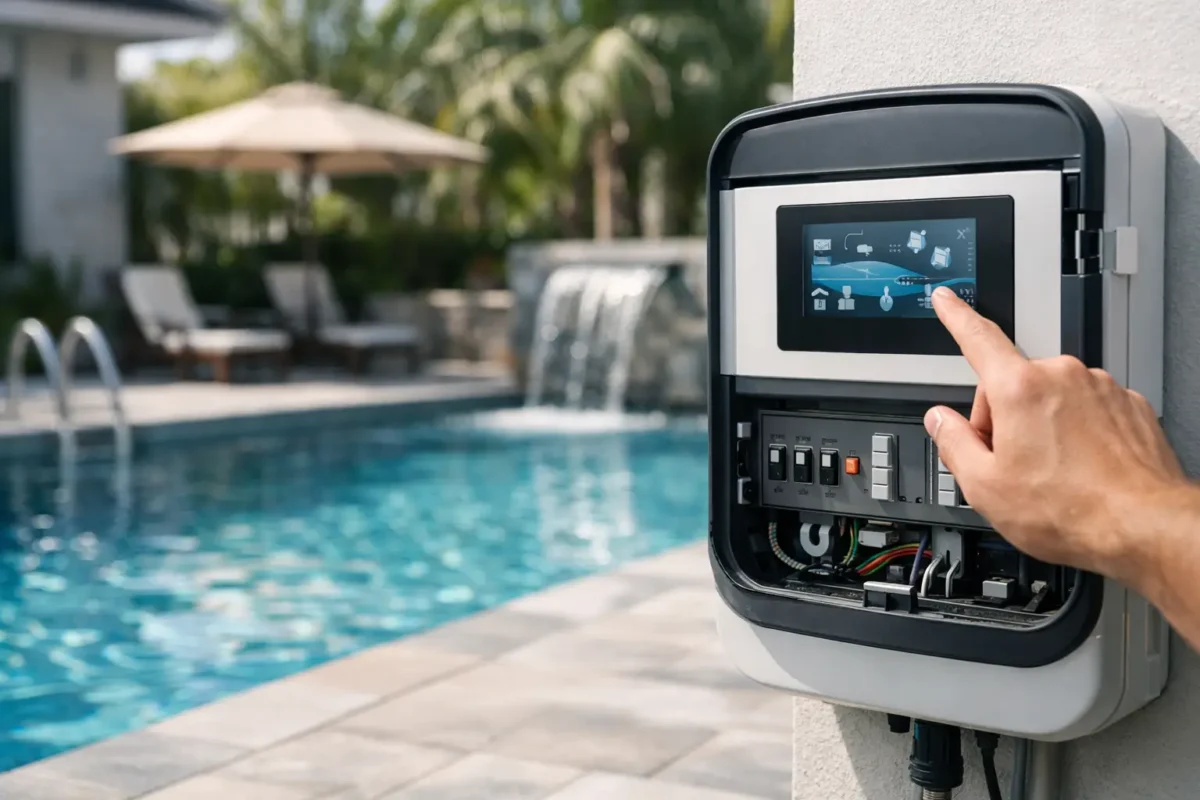
A pool that looks exceptional on the surface can still underperform behind the scenes if its controls are outdated, inconsistent, or poorly matched to the equipment. A swimming pool pump control panel is what brings order to filtration, circulation, timing, and protection, turning separate components into a system that runs with precision.

For villa owners, hospitality operators, facility teams, and developers, this is not a minor electrical accessory. It is a central point of control that affects water quality, operating cost, equipment lifespan, and day-to-day reliability. When selected correctly, it supports a cleaner pool, smoother maintenance routines, and stronger long-term performance.

What a swimming pool pump control panel actually does

At its core, a control panel manages when and how the pool pump operates. That sounds straightforward, but in premium residential and commercial installations, the panel often does much more. It can regulate start and stop cycles, coordinate multiple pumps, integrate with timers, protect motors from overload, and connect with other pool equipment such as heaters, lighting, water features, and dosing systems.

In a simple residential setup, the panel may only handle scheduled filtration and basic on-off switching. In a larger property or commercial environment, it can become a more advanced control hub with contactors, breakers, relays, digital timers, and protection logic designed to keep operations stable under demanding conditions.

That difference matters. A luxury villa pool and a hotel pool may both need reliable circulation, but their usage patterns, hours of operation, and maintenance pressures are very different. The right panel should reflect the actual duty of the system, not just the basic presence of a pump.

Why the right control panel matters more than many buyers expect

Pump quality gets attention. Filters, lighting, and finishes usually do too. The control panel is often treated as a background item, even though it directly affects how those investments perform.

A poor-quality or underspecified panel can lead to irregular pump cycles, unnecessary energy use, nuisance tripping, and avoidable wear on motors and connected equipment. It can also create service complications when electricians or maintenance teams need to troubleshoot a system that was not properly organized from the beginning.

A well-built panel does the opposite. It improves operational consistency, helps maintain correct turnover timing, supports safer power distribution, and gives technicians a cleaner, more efficient service environment. For commercial properties, that translates into fewer interruptions and better asset protection. For homeowners, it means less guesswork and more dependable daily operation.

Key features to look for in a swimming pool pump control panel

The best choice depends on the project, but certain features consistently separate a dependable panel from a basic enclosure with switches.

Build quality should come first. In warm climates and equipment rooms with moisture exposure, the enclosure, internal wiring standard, and component quality all matter. A panel may appear acceptable at installation and still become a weak point later if the protection level is poor or internal components are not suited to the environment.

Motor protection is equally important. Overload protection, short circuit protection, and proper breaker sizing help prevent costly damage. This is especially relevant where pumps run for long hours or support larger hydraulic systems.

Timer functionality is another major consideration. Digital scheduling offers more precision than manual control and helps optimize filtration hours without constant operator input. For many properties, this is one of the simplest ways to improve efficiency.

If the pool system includes variable speed pumps, water features, heat pumps, chemical dosing, or lighting control, compatibility becomes critical. Not every panel is designed to coordinate more than one piece of equipment. Choosing a panel without enough capacity can limit future upgrades or force unnecessary retrofits.

Ease of maintenance also deserves attention. Clear labeling, organized internal layout, and accessible components save time during inspections and repairs. That may seem like a small advantage during procurement, but over the life of the system it has real value.

Residential and commercial needs are not the same

A control panel for a private backyard pool should not be judged by the same criteria as a panel for a residential tower, hotel, or wellness facility. Both need reliability, but the scale and complexity are different.

In residential projects, owners often prioritize simplicity, clean operation, and low intervention. They want the pump schedule to run properly, the system to remain protected, and the controls to be straightforward for routine use. A well-configured panel with timer control and dependable protection is often the right fit.

Commercial projects demand more. There may be multiple pumps, extended run times, backwash coordination, circulation zones, or integration with broader facility maintenance systems. In these environments, underspecifying the panel can create recurring operational issues that cost far more than the initial savings.

This is where professional equipment matching matters. Selecting the panel based on actual load requirements, site conditions, and future service needs is a stronger approach than buying by price alone.

Common mistakes when selecting a pool pump control panel

One of the most common mistakes is focusing only on the pump horsepower and ignoring the rest of the system. Voltage, phase, current draw, control logic, and connected accessories all influence the correct panel selection.

Another mistake is treating all panels as interchangeable. They are not. Some are built for basic switching, while others are engineered for more advanced coordination and protection. A panel that works in a small residential application may be completely unsuitable for a larger commercial pool.

Installation quality is another deciding factor. Even a premium panel can underperform if it is poorly wired, badly located, or installed without proper load balancing and protection setup. The panel should always be seen as part of the total system design.

Buyers also sometimes overlook future expansion. If a property may later add heating, water features, automated disinfection, or upgraded pumps, it is worth considering a control solution that can accommodate those additions. That approach is often more cost-effective than replacing the panel later.

The value of professional specification and installation

A swimming pool pump control panel should be selected with the same care as the pump itself. That means looking at pump type, flow requirements, electrical supply, usage schedule, and environmental conditions as one package.

Professional specification helps avoid mismatched components and gives the project a cleaner technical foundation. It also supports compliance, safer operation, and more predictable maintenance over time. In premium properties, where aesthetics and equipment performance are expected to align, this level of planning is part of delivering a complete result.

For buyers managing multiple assets or large-scale developments, supplier capability matters as much as the product. Stock availability, access to reliable brands, technical guidance, and after-sales support all influence how quickly issues can be resolved and how well the system performs in the long term.

That is why many serious buyers prefer to work with a full-scope partner rather than sourcing the panel as an isolated electrical item. When equipment supply, technical review, installation support, and maintenance understanding come together, the result is more dependable and easier to manage.

A smarter investment for long-term pool performance

The control panel is not the most visible part of a pool system, but it is one of the most influential. It affects timing, safety, efficiency, and overall equipment coordination every single day.

For luxury homes, commercial pools, hospitality environments, and high-value real estate, the right choice supports both operational confidence and asset protection. A premium installation deserves more than a generic control box. It deserves a properly selected, professionally installed solution built for the actual demands of the property.

Aquatic Pools and Fountains supplies and supports premium pool equipment solutions for residential and commercial projects that require reliability, technical precision, and long-term value. If you are evaluating a new installation or upgrading an existing system, the best next step is to choose a control panel that works as hard as the pool it is designed to serve.

A well-run pool rarely calls attention to its controls, and that is exactly the point – when the right panel is in place, performance feels effortless.

Categories
Uncategorized

Choosing Swimming Pool Tiles Mosaic

The difference between a pool that looks expensive and one that truly feels complete often comes down to the finish. Swimming pool tiles mosaic is not just a decorative layer. It shapes how water reflects, how surfaces perform over time, and how the entire pool reads within a villa, hotel, residential tower, or commercial property.

For premium projects, mosaic tile selection should never be treated as an afterthought. In Dubai and across the UAE, pools are exposed to intense sun, heat variation, chemicals, and constant visual scrutiny. That means the right mosaic has to deliver on appearance, durability, and technical compatibility at the same time.

Why swimming pool tiles mosaic matters

Mosaic tiles do more than add color to a basin. They create the visual identity of the pool, from crisp modern blue finishes to darker reflective tones that give water a more architectural character. In high-end residential and hospitality settings, that visual impact matters immediately. Guests notice it before they notice the pump room, filtration system, or circulation design.

At the same time, mosaic affects maintenance outcomes. Tile quality, surface finish, joint consistency, and installation accuracy all influence how well the pool resists staining, scaling, and long-term wear. A well-selected mosaic system supports easier cleaning and a more stable finish. A poor selection may look attractive on day one but begin showing edge wear, shade inconsistency, or adhesion problems far too early.

This is why experienced buyers and developers usually assess pool tiles with the same seriousness they apply to lighting, filtration, and disinfection systems. Aesthetic appeal is essential, but it has to be backed by reliable performance.

Best materials for swimming pool tiles mosaic

Material choice is the first major decision because it affects price, finish, durability, and maintenance expectations.

Glass mosaic

Glass mosaic remains a leading choice for luxury pools because it delivers depth, brightness, and a refined water effect that is difficult to replicate with other materials. It reflects light exceptionally well, which makes it especially effective in pools designed for visual impact, including overflow pools, spa zones, and statement water features.

High-quality glass mosaic also performs well in wet environments when properly specified and installed. It offers broad design flexibility, from uniform tones to blended shades and iridescent finishes. The trade-off is that product quality matters significantly. Lower-grade glass can show imperfections, inconsistent backing, or finish issues that become visible once submerged.

Porcelain mosaic

Porcelain mosaic is valued for strength, consistency, and dependable long-term performance. It is often selected for commercial pools, high-traffic properties, and projects where durability is the top priority. Porcelain generally handles chemical exposure well and can be an excellent option for pool floors, steps, and functional areas where slip resistance and structural reliability are central concerns.

Its visual effect is usually more controlled and less luminous than glass, which may suit contemporary or understated pool designs. For many buyers, porcelain offers the right balance between premium appearance and practical service life.

Ceramic mosaic

Ceramic can be used in some pool applications, but it is typically less favored for premium aquatic installations where durability and finish quality are expected to meet higher standards. In demanding climates and commercial settings, buyers often move toward glass or porcelain for stronger long-term value.

Color, finish, and the water effect

Tile color does not simply define the tile surface. It defines the color of the water. That distinction is critical when specifying a pool for a luxury residence or public-facing property.

Lighter blues produce a clean, classic aquatic look and help smaller pools feel brighter. Deep blue and teal shades create richer visual depth and often suit larger pools or hospitality environments. Gray, black, and dark mixed mosaics can produce a dramatic mirror-like effect, but they also make dust, scale, and surface variation more noticeable if maintenance standards are not consistent.

Finish matters just as much. Gloss finishes intensify reflection and give water a more vibrant appearance. Matte or textured finishes can be useful in select zones, especially on steps or shallow entries, where added grip may be beneficial. The right specification often combines both visual and functional considerations rather than choosing one over the other.

For premium projects, sample review under natural light is worth the time. A tile that looks balanced in a showroom may read very differently outdoors in strong sun.

Design choices that elevate the pool

A well-executed mosaic scheme should support the architecture around it. In villas, that may mean aligning the pool tone with stone decking, facade colors, and landscape lighting. In hotels or towers, it may involve creating a finish that reinforces the property’s broader design language.

Uniform mosaic creates a clean, elegant look and is often the safest choice for sophisticated projects. Mixed-tone blends can add movement and a more natural water appearance. Feature bands, lane markings, logos, and custom patterns may also be appropriate, especially for branded commercial properties or statement residential pools.

That said, more design is not always better. Complex patterns increase installation sensitivity and can date faster than simple, disciplined finishes. In many premium settings, restraint produces the stronger result.

Installation quality is as important as tile quality

Even the best tile will underperform if installation standards are weak. This is where many pool projects lose value. Buyers focus on tile selection but underestimate the importance of substrate preparation, adhesive compatibility, grout selection, and expansion detailing.

Swimming pool tiles mosaic must be installed with materials designed for permanent submerged conditions. The bonding system, waterproofing method, and grout specification need to work together as one complete finish assembly. If any part of that system is compromised, the visible symptoms may include hollow spots, loose tiles, discoloration, cracked grout lines, or water intrusion.

In the UAE climate, thermal movement and exposure conditions make technical precision even more important. Large commercial pools, rooftop installations, spas, and water features all require careful detailing. This is not an area for shortcuts.

For that reason, many property owners and developers prefer working with a partner that understands both product supply and technical execution. Aquatic Pools and Fountains supports this level of coordination by combining premium pool materials with installation guidance, technical support, and long-term maintenance capability.

Maintenance and long-term performance

A premium mosaic finish should continue looking sharp well after handover. That depends partly on product quality, but it also depends on water chemistry, cleaning methods, and routine service standards.

Incorrect chemical balance can damage grout, contribute to scale buildup, and dull the appearance of tile surfaces. Harsh cleaning methods may scratch certain finishes or weaken joints over time. This is why maintenance planning should be discussed during specification, not after installation is complete.

For commercial properties, this is especially relevant. A visually impressive pool can lose its appeal quickly if scale lines, stained grout, or inconsistent water balance are left unmanaged. For residential clients, proper service protects the investment and preserves the original finish quality.

What buyers should check before specifying mosaic tiles

Before approving a mosaic range, it is worth confirming a few practical details. Product consistency, shade control, sheet alignment, submerged-use suitability, and chemical resistance should all be clear. So should installation requirements.

It is also smart to look beyond the tile itself. Ask whether the selected product suits the pool’s intended use, expected maintenance level, and design environment. A family villa, a rooftop plunge pool, a resort pool, and a competition facility may all require different priorities.

Price matters, but so does replacement risk. Choosing a cheaper mosaic that fails early can create far higher costs through repair work, disruption, and finish mismatch. Premium specification tends to be more economical when viewed across the full service life of the pool.

The right mosaic is a design and performance decision

Pool finishes are highly visible, but they are also highly technical. The best swimming pool tiles mosaic combines elegance with proven reliability. It should enhance water appearance, withstand demanding conditions, support maintenance efficiency, and suit the overall standard of the property.

For villa owners, developers, hospitality operators, and facility managers, the goal is not simply to choose a tile that looks attractive in a sample board. The goal is to deliver a finished pool that performs confidently and presents well year after year. When mosaic selection is handled with that level of care, the result is not just a better surface. It is a stronger investment in the pool itself.

If you are selecting finishes for a new build, renovation, or commercial aquatic project, the smartest next step is to evaluate mosaic options with both design intent and technical performance in mind.

Categories
Uncategorized

Choosing Fountain Underwater Lights

A fountain can look expensive in daylight and still fall flat after sunset. The difference is rarely the stone, the nozzle pattern, or even the water height. More often, it comes down to fountain underwater lights and whether they were selected with the same care as the rest of the installation. In premium residential and commercial settings, lighting is what turns a water feature into a focal point rather than a background element.

For property owners, developers, and facility teams, the decision is not simply about adding illumination. It is about choosing fixtures that can withstand constant submersion, heat, water treatment conditions, and demanding operating schedules while still delivering clean, elegant light. In a market where appearance matters and maintenance access can be difficult, the right lighting choice protects both aesthetics and long-term value.

Why fountain underwater lights matter

Underwater lighting defines how a fountain is perceived at night. It shapes the water, highlights movement, and gives depth to jets, cascades, and basin surfaces. A well-lit fountain appears more refined, more architectural, and more intentional. In hospitality environments, that visual effect supports the wider guest experience. In villas and residential compounds, it adds sophistication and extends the usable atmosphere of outdoor areas.

There is also a practical side. Proper lighting improves visibility around decorative water features, especially in entry courts, podiums, terraces, and public-facing landscapes. For commercial properties, this matters because presentation and safety often need to work together.

Not every fountain needs a dramatic color-changing display. In fact, many premium projects benefit more from stable white light with precise beam control. The best result depends on the fountain design, the surrounding architecture, and the role the feature plays within the property.

What separates premium fountain lighting from standard options

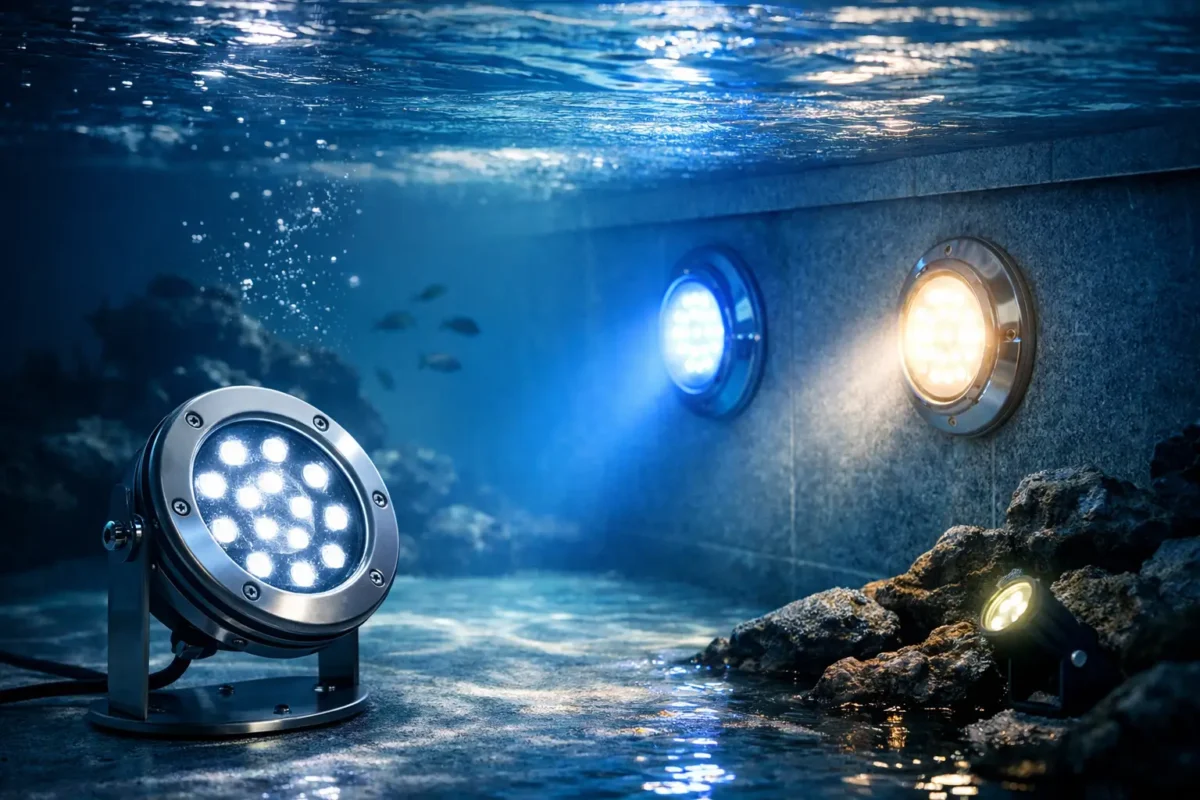
At first glance, many underwater fixtures can appear similar. The real difference shows up after months of operation. Premium fountain underwater lights are engineered for continuous performance in submerged conditions, with housing materials, seals, lens quality, and electrical protection designed for reliability.

Stainless steel bodies are common in higher-grade products because they resist corrosion and maintain their finish in demanding outdoor environments. The sealing system is equally important. If water enters the fixture, performance drops quickly and replacement becomes unavoidable. In decorative fountains where lights are integrated into concrete basins or installed near fixed pipework, that failure can create unnecessary disruption.

LED technology has become the preferred standard for most modern fountains because it offers strong output, lower energy consumption, and longer service life than older lighting formats. Even so, LED quality varies significantly. Inferior fixtures may show uneven color, reduced brightness over time, or driver issues that cause flickering and premature failure.

This is where technical selection matters. A premium fountain feature deserves lighting that matches the quality of the pumps, nozzles, controls, and finishes around it.

Key factors when selecting fountain underwater lights

The first consideration is the fountain type itself. A small decorative bowl fountain has very different lighting needs than a multi-jet plaza feature or a hotel entrance display. Beam angle, light intensity, fixture size, and mounting style should all be based on how the water moves and where the viewer stands.

White light temperature is another decision that affects the final look. Warm white can create a softer, more luxurious atmosphere, especially in residential landscapes and hospitality projects. Cool white tends to produce a sharper, cleaner effect that suits contemporary architecture and corporate settings. Neither is automatically better. It depends on the visual language of the property.

Color-changing RGB or DMX-controlled systems can be highly effective when used with purpose. They are ideal for branded environments, event-capable venues, and public installations where lighting scenes are part of the experience. However, they also introduce more complexity. Controls, programming, and maintenance must be handled correctly or the feature can feel inconsistent rather than impressive.

Voltage and electrical safety are equally critical. Underwater lighting should never be treated as a decorative afterthought. Correct transformer selection, cable quality, ingress protection, and installation methods are essential for safe and dependable operation. For high-value properties, professional specification and installation are not optional. They are the standard.

Installation quality is as important as the fixture

Even excellent lighting products can underperform if they are installed poorly. Placement is especially important in fountains because glare, shadowing, and uneven light spread can distort the water effect. A fixture set at the wrong angle may create bright hotspots in the basin while failing to illuminate the jets properly.

Cable routing and niche preparation also deserve attention. Fountain basins are harsh operating environments, and every connection point must be protected against long-term moisture exposure. If future maintenance is likely, access should be considered at the design stage rather than after the fountain is completed.

For larger commercial or hospitality projects, coordination between the fountain specialist, MEP team, and landscape or architectural consultant helps avoid expensive revisions later. Lighting should support the fountain choreography, not compete with it. The strongest results come from integrated planning, where hydraulic design and visual presentation are considered together.

Common mistakes buyers should avoid

One of the most common mistakes is choosing lights based on price alone. Lower-cost fixtures can seem attractive during procurement, but replacement, drainage, access, and service disruption quickly make them more expensive over time. For fountains in luxury villas, hotels, towers, and public-facing developments, frequent failures are not a minor inconvenience. They affect the image of the property.

Another mistake is overspecifying color effects when the project really needs clarity and elegance. Not every fountain benefits from changing colors, rapid transitions, or theatrical programming. In many premium settings, restrained lighting delivers a stronger result.

Buyers also sometimes underestimate maintenance conditions. If a basin is deep, tiled, crowded with nozzles, or difficult to isolate for service, fixture durability becomes even more important. The harder the fountain is to access, the less room there is for compromise.

Finally, there is the issue of compatibility. Underwater lights should be selected with the wider system in mind, including transformers, controllers, niches, and the fountain’s operating schedule. Piecing together mismatched components from multiple sources often leads to avoidable technical issues.

Fountain underwater lights for villas, hotels, and commercial assets

Residential and commercial buyers often share the same goal: a fountain that looks exceptional and operates without constant attention. The way that goal is achieved can differ.

For villas, the priority is usually elegance, quiet performance, and a finish that complements landscaping, facades, and outdoor living areas. Lighting must enhance the design without feeling overly commercial. Compact fixtures, warm white tones, and subtle beam control are often the right fit.

Hotels and hospitality venues typically need stronger visual impact. The fountain may serve as a signature element at the entrance, pool deck, courtyard, or dining terrace. In these cases, consistent output and dependable nightly operation are essential, because the feature contributes directly to the guest experience.

For real estate developers, facility managers, and commercial properties, durability and serviceability become major priorities. Fountain lighting may run for long hours and must maintain its appearance despite heavy usage. Products with proven construction quality and professional support are the smarter investment.

This is where working with a specialized supplier adds value. A company such as Aquatic Pools and Fountains can support not only product selection, but also technical guidance, installation planning, and maintenance requirements across both residential and commercial projects.

How to judge long-term value

The best lighting decision is rarely the cheapest fixture with the highest advertised brightness. Long-term value comes from balanced performance. That means durable materials, stable LED output, trusted electrical components, a finish suited to submerged operation, and support from professionals who understand fountain systems.

It also means choosing lighting that still looks right a year from now. Trend-driven effects can date quickly, while clean and well-executed illumination tends to hold its appeal. For premium properties, timeless presentation usually offers better value than novelty.

A fountain is meant to be seen, especially after dark. When the lighting is correct, the water looks sharper, the architecture looks stronger, and the entire setting feels more complete. If the goal is a fountain that performs as beautifully as it presents, fountain underwater lights deserve the same level of attention as every other critical component. Choose with precision, and the result will continue to justify itself night after night.

Categories
Uncategorized

Why Is Pool Water Cloudy? Common Causes

You notice it immediately. The water has lost its sharp, clean finish, the floor looks slightly blurred, and the pool no longer reflects the standard your property deserves. If you are asking why is pool water cloudy, the answer is usually not one single issue – it is a warning sign that filtration, water balance, circulation, or sanitation is no longer performing at the level it should.

Cloudy water is not just a cosmetic problem. In premium residential pools, hospitality settings, and commercial facilities, clarity is part of the experience and part of safe operation. When water turns dull or hazy, it can indicate suspended particles, chemical imbalance, algae activity, or equipment underperformance. The right response is not guesswork. It is a precise technical check.

Why Is Pool Water Cloudy in the First Place?

In most cases, cloudy water means the pool is holding fine contaminants that are not being fully removed or neutralized. These contaminants may include dust, body oils, sunscreen, organic debris, calcium particles, or early-stage algae. In the UAE, the issue can become more pronounced because heat, windblown dust, and heavy pool usage place extra pressure on sanitizing systems and filtration equipment.

Sometimes the change happens overnight. More often, it builds gradually. A pool may still look acceptable from a distance while clarity declines day by day. That is why experienced pool operators and property owners pay attention to even minor haze. Early correction is easier, faster, and more cost-effective than waiting for a full water-quality problem to develop.

The Most Common Causes of Cloudy Pool Water

Poor filtration performance

A filter system should continuously remove suspended particles from the water. If the filter is undersized, dirty, clogged, or operating inefficiently, those particles remain in circulation. Sand filters with old media, cartridge filters that need cleaning, and DE systems with maintenance issues can all contribute to cloudy water.

The pump also matters. If flow is weak because of a worn pump, blocked basket, suction issue, or valve problem, even a high-quality filter cannot perform properly. In larger villas, residential towers, and hospitality pools, incorrect run times can create the same result. The system may simply not be circulating enough water each day.

Unbalanced water chemistry

Chemical balance has a direct effect on water clarity. High pH reduces chlorine efficiency and can allow contaminants to stay active in the water. High total alkalinity can make pH harder to control. Elevated calcium hardness may cause the water to appear milky or dull, especially where evaporation rates are high and mineral concentration builds over time.

This is one of the most common reasons pool owners treat the water repeatedly without real improvement. If chemistry is off, adding more sanitizer alone will not solve the underlying issue.

Low sanitizer levels or ineffective chlorine

Cloudiness often starts when chlorine levels fall below demand. Bather load, heat, sunlight, and organic contamination can all consume sanitizer quickly. Once chlorine becomes insufficient, fine organic matter and microorganisms begin to affect clarity.

There is also a difference between chlorine being present and chlorine being effective. If pH is too high, chlorine loses much of its working strength. The test result may not look alarming, but the water can still deteriorate.

Early algae growth

A pool does not need to turn green before algae becomes a problem. In its early stages, algae can cause dullness, haze, and a slippery feel on pool surfaces. This often happens when sanitation is inconsistent or circulation leaves dead spots in corners, steps, or low-flow areas.

For premium pools, this stage is the best time to act. Once algae becomes visible, recovery takes more chemicals, more labor, and more downtime.

Environmental debris and heavy usage

Dust storms, landscaping debris, cosmetics, sunscreen, and frequent swimming all affect water clarity. Fine airborne particles are especially relevant in exposed outdoor pools. High-end pools with strong visual impact still require practical protection against local environmental conditions.

After a busy weekend or event, a pool may look hazy simply because the filtration and sanitizer system is catching up. In commercial properties, this is often a sign that operating parameters should be adjusted to match real usage rather than assumed usage.

Why Is Pool Water Cloudy After Adding Chemicals?

This is a frequent concern, and the answer depends on what was added and how the pool was balanced beforehand. Shock treatment, pH increaser, calcium-based products, and some clarifying agents can temporarily create cloudiness if they are overdosed, added too quickly, or introduced into poorly circulating water.

In other cases, chemicals reveal an existing issue rather than create one. For example, shocking the pool may oxidize contaminants and leave particles suspended until the filter removes them. Raising pH too aggressively can also cause calcium to precipitate, giving the water a cloudy appearance.

The key point is that chemical treatment should be based on testing, not estimation. Premium pool care depends on controlled dosing and reliable water analysis.

How to Fix Cloudy Pool Water Properly

The first step is testing. Water should be checked for free chlorine, combined chlorine, pH, total alkalinity, calcium hardness, and if relevant, cyanuric acid or salinity levels depending on the system. Without accurate readings, treatment becomes trial and error.

Next, inspect the equipment. Check whether the pump is running at proper flow, whether skimmer and pump baskets are blocked, and whether the filter needs backwashing, cleaning, or media replacement. Many clarity problems are rooted in mechanical performance, not just chemistry.

Then correct the chemistry in the right order. pH and alkalinity usually need attention before fine-tuning sanitizer. If chlorine demand is high, a shock treatment may be necessary. If calcium is elevated, dilution or specialized treatment may be required. If algae is suspected, brushing surfaces and using the correct algaecide or sanitizer strategy is part of the process.

Finally, give filtration time to work. Not every cloudy pool clears within hours. Some require continuous circulation over 24 to 48 hours, especially after corrective treatment. Clarifiers or flocculants can help in certain cases, but they are not universal solutions. Used incorrectly, they can make the situation worse or place extra strain on the filter system.

When Cloudy Water Signals an Equipment Problem

If water repeatedly turns cloudy even after balancing chemicals, the issue is often deeper than routine maintenance. The filtration system may be undersized for the pool volume. The pump may not be delivering the required turnover rate. Valves, laterals, seals, or automation controls may be compromising performance.

This matters even more in luxury residential and commercial environments where the pool is expected to maintain a consistent visual standard. A technically inadequate system will keep consuming time and chemicals without delivering reliable clarity. In these cases, professional assessment is the smarter investment.

For clients managing high-spec pools, decorative water features, or demanding commercial aquatic spaces, working with a qualified supplier and service team such as Aquatic Pools and Fountains helps identify whether the problem is chemical, hydraulic, or equipment-related before it escalates.

Preventing Cloudy Water Before It Starts

The best pool water stays clear because the system is designed and maintained correctly from the beginning. That means proper pump sizing, dependable filtration, consistent sanitization, and regular water testing. It also means adjusting operation to the season, weather, and usage pattern instead of relying on fixed routines year-round.

A villa pool used occasionally will not behave like a hotel pool exposed to daily traffic. An indoor pool will not face the same dust load as an outdoor pool. A visually striking overflow pool may require tighter hydraulic control than a standard private installation. These differences matter, and premium pool care should reflect them.

Routine brushing, vacuuming, basket cleaning, and scheduled filter maintenance all support water clarity. So does proactive chemical management. Waiting until the pool looks bad is always more expensive than keeping it consistently right.

If your pool water looks dull, hazy, or milky, treat that change as a performance issue, not a minor inconvenience. Clear water is the result of quality equipment, balanced chemistry, and disciplined maintenance working together. When those elements are aligned, the pool does what it should – look exceptional, operate safely, and reflect the standard of the property around it.

Categories
Uncategorized

Swimming Pool Heat Pumps That Make Sense

A pool that looks exceptional but feels too cold gets used less. That is the real issue for many villa owners, hospitality operators, and property managers weighing swimming pool heat pumps against older heating systems. In a market where comfort, efficiency, and long-term performance all matter, the right heat pump is not an accessory. It is part of the pool’s core operating strategy.

Why swimming pool heat pumps are a smart upgrade

Swimming pool heat pumps are designed to transfer heat from the surrounding air into the pool water. Unlike systems that generate heat directly through heavy energy consumption, heat pumps work by moving available heat efficiently. For premium residential and commercial pools, that difference has a direct impact on operating cost, temperature stability, and equipment value over time.

In the UAE, this matters more than many buyers first assume. Pools are often viewed as year-round assets, whether in private villas, residential developments, hotels, or wellness facilities. The challenge is not only heating water in cooler months. It is maintaining a comfortable, controlled swimming environment without relying on inefficient or outdated systems that increase utility costs and maintenance demands.

A well-selected heat pump brings consistency. It helps keep the water within a usable temperature range, extends the practical swimming season, and improves the overall experience for residents, guests, and tenants. For commercial properties, that can also support occupancy standards, guest satisfaction, and amenity value.

How swimming pool heat pumps work in real-world installations

The principle is straightforward. The unit draws in ambient air, extracts heat energy through its refrigerant cycle, and transfers that heat to the pool water through a heat exchanger. Because the system is transferring heat rather than creating it from scratch, it can operate far more efficiently than many conventional alternatives.

That said, performance always depends on installation conditions. A heat pump’s output is affected by air temperature, pool size, desired water temperature, wind exposure, and whether the pool has a cover. An uncovered outdoor pool will lose heat faster, which means the unit must work harder to maintain target temperature. A properly covered pool with balanced circulation and filtration will perform much better.

This is why equipment selection should never be based on headline capacity alone. The best result comes from matching the unit to the actual pool environment, bather expectations, and operating pattern.

What buyers should look for before choosing a unit

The right heat pump is rarely the cheapest one on paper. For high-end residential and commercial projects, the better measure is lifecycle value.

Capacity is the first consideration. An undersized unit may run continuously and still struggle to reach the required temperature. An oversized unit may increase upfront cost without delivering proportional benefit if the sizing logic is wrong. Proper calculation should account for pool volume, exposure, surface area, and expected usage.

Build quality matters just as much. In demanding climates, premium materials help protect the unit from corrosion, wear, and premature failure. Titanium heat exchangers, durable cabinet construction, and reliable internal components are especially important for long-term pool performance.

Noise level is another practical factor. For villas, rooftop leisure areas, boutique hospitality spaces, and landscaped pool decks, quiet operation is not a luxury. It is part of the user experience. Inverter-driven models often provide better control and lower sound levels because they adjust output rather than cycling aggressively on and off.

Control features also deserve attention. Modern units can offer precise temperature settings, digital monitoring, fault alerts, and integration with broader pool equipment systems. For facility managers and larger developments, that level of control supports better maintenance planning and more predictable operation.

The cost question: upfront investment versus operating savings

Many buyers focus first on purchase price. That is understandable, but it can lead to the wrong decision.

Swimming pool heat pumps usually require a higher initial investment than some basic heating alternatives. The payoff comes through efficiency and lower ongoing energy use. Over time, especially on pools used regularly, the savings can be substantial. For residential owners, that means better comfort without the shock of excessive utility costs. For hotels, compounds, and managed properties, it can support tighter operational control across multiple amenities.

Still, savings are not automatic. Results depend on correct sizing, proper installation, water circulation quality, and realistic operating settings. A premium unit installed poorly can underperform. A well-matched system installed professionally can deliver steady returns for years.

That is why technical guidance matters as much as equipment availability.

Residential and commercial needs are not the same

A villa pool and a hotel pool may use the same core technology, but they should not be specified in the same way.

For residential properties, buyers often prioritize quiet performance, discreet design, energy efficiency, and dependable year-round comfort. The owner wants a pool that is ready when family or guests want to use it, without constant intervention.

Commercial environments usually demand more. Hotels, residential towers, fitness clubs, and hospitality projects need equipment that can handle longer operating hours, heavier usage, and stricter service expectations. Recovery time, durability, maintainability, and system integration all become more important. A temporary drop in water comfort may be an inconvenience at home, but it can become a service issue in a commercial setting.

This is where a full-scope supplier adds real value. Product supply is only one part of the equation. System design input, installation quality, commissioning, and ongoing support all shape how the heat pump performs after handover.

Common mistakes that reduce heat pump performance

The most common mistake is poor sizing. Buyers sometimes assume a larger unit is always better or choose a smaller model to reduce upfront cost. Both decisions can create inefficiency.

Another issue is ignoring heat loss. If the pool is exposed to wind, left uncovered at night, or paired with inadequate circulation, the system has to work harder than necessary. The result is weaker performance and higher running cost.

Placement is another factor. Heat pumps need appropriate airflow and service access. If the unit is boxed into a tight area or installed without sufficient clearance, efficiency can suffer and maintenance becomes more difficult.

Water chemistry also plays a role. Poorly balanced water can damage components over time, including parts that are meant to resist corrosion. Heating equipment performs best as part of a well-managed pool system, not as a standalone fix.

Why professional installation matters

Premium equipment deserves precise execution. A heat pump must be integrated correctly with the circulation system, filtration components, electrical supply, and control setup. Small errors in pipe layout, flow rate, drainage, or commissioning can affect performance from the first day.

Professional installation also protects the investment. It helps ensure the system operates at the manufacturer’s intended standard, supports warranty conditions, and reduces the risk of avoidable service issues later.

For many buyers, especially developers and commercial operators, the ideal approach is working with a supplier that can advise on product selection, install the equipment properly, and continue supporting the pool throughout its operating life. That level of continuity creates better outcomes than simply purchasing a unit and leaving the rest to chance.

Aquatic Pools and Fountains supports this approach by combining premium equipment supply with technical guidance, installation expertise, and after-sales service for both residential and commercial aquatic projects.

Is a heat pump the right choice for every pool?

Not always. The answer depends on how the pool is used, how often temperature control is needed, the target comfort level, and the property’s broader operational priorities.

For pools used only occasionally, buyers may question whether the investment is justified. For regularly used pools, especially in premium properties where comfort is part of the expectation, heat pumps are often one of the most practical long-term solutions. They offer a strong balance between performance and operating efficiency, particularly when paired with proper pool covers and quality circulation systems.

The best decision comes from looking at the full picture rather than the equipment in isolation. Pool size, usage profile, exposure conditions, and maintenance standards all influence the outcome.

A well-chosen heat pump does more than warm water. It protects the value of the pool as a usable, comfortable, and professionally managed feature of the property. When that matters to residents, guests, or tenants, selecting the right system is not a minor upgrade. It is a smart operational decision that continues paying off every time the pool is ready to use.

Categories
Uncategorized

Robotic Pool Cleaner Review for Premium Pools

If your pool still depends on manual vacuuming or a basic suction cleaner, the difference is obvious after one busy week – fine dust settles on the floor, corners collect debris, and maintenance starts taking more time than it should. This robotic pool cleaner review is written for owners and operators who expect a cleaner pool, lower labor demands, and equipment that matches the standard of a premium residential or commercial setting.

For villas, hospitality properties, and managed facilities, a robotic cleaner is not just a convenience upgrade. It is a practical investment in presentation, water quality support, and maintenance efficiency. The real question is not whether robotic cleaners work. The question is which type works best for your pool, your usage pattern, and your operating expectations.

Robotic pool cleaner review: what actually matters

Most buyers start by comparing price, but that is rarely the right first filter. In a premium pool environment, cleaning consistency, wall-climbing ability, filtration performance, and serviceability matter far more over time. A lower-cost unit that misses fine debris or struggles with large pools usually creates more work, not less.

The best robotic pool cleaners operate independently from the pool filtration system. That means they collect debris in their own filter canisters or bags, reduce strain on pumps and filters, and follow programmed cleaning paths rather than moving randomly. In practical terms, that gives you better surface coverage and more predictable results.

Performance also depends heavily on pool type. A compact residential plunge pool has very different cleaning demands than a long overflow pool, a tiled villa pool with fine dust exposure, or a commercial basin with heavier daily use. One model may be excellent for light weekly maintenance but underpowered for larger, debris-prone installations.

Where robotic cleaners perform best

Robotic cleaners are especially strong in pools where visual standards are high. If the finish is tile, mosaic, or another premium surface, even light sediment becomes noticeable quickly. A robotic unit can remove fine particles before they build up, helping the pool maintain a polished appearance between scheduled service visits.

They are also highly effective where labor efficiency matters. Facility managers and hospitality operators benefit from reducing manual vacuuming time, while private owners appreciate a pool that stays guest-ready with less hands-on effort. In these settings, automation supports both appearance and operational consistency.

That said, not every robotic cleaner is built for every environment. Some residential models perform well in standard pools but are not ideal for demanding commercial schedules or pools with complex shapes, beach entries, ledges, or frequent leaf load.

Cleaning power and debris handling

A strong robotic cleaner should handle both visible debris and fine suspended dust that settles over time. In the UAE and similar climates, windblown sand and fine particulates are a real test. This is where filtration design separates entry-level units from premium machines.

A cleaner with only coarse filtration may pick up leaves and larger debris but leave behind the very material that makes pool floors look dull. Higher-grade models with fine or ultra-fine filtration are better suited for luxury pools where the finish must stay visibly clean. Some units also allow interchangeable filter baskets, which is useful when debris types vary by season or property type.

Floor, wall, and waterline coverage

Many buyers assume all robotic cleaners climb walls. They do not. Some are floor-only machines, and while they can still be useful, they are not enough for pools that demand complete visual cleanliness. For a true premium result, wall climbing and waterline scrubbing are valuable features.

The waterline is often the first area to show oils, residue, and visible buildup. A robotic cleaner that can actively scrub this zone reduces manual brushing and keeps the pool looking maintained at all times. In higher-end residential and commercial pools, this is not a minor feature. It has a direct effect on appearance.

Navigation and cycle efficiency

Random movement may be acceptable in a small pool, but in larger or irregular pools it often leads to missed sections and longer cleaning cycles. Smarter navigation systems improve route planning, reduce overlap, and produce more reliable cleaning coverage.

This matters even more when the cleaner is part of a broader maintenance routine. You want a machine that finishes on time, covers the pool properly, and does not require repeated repositioning. Advanced models with scanning and programmable cycles generally justify their cost in better results and reduced intervention.

The trade-offs buyers should know

A fair robotic pool cleaner review should be clear about limitations. These machines are effective, but they are not maintenance-free. Filters need to be emptied and cleaned regularly. Brushes wear over time. Cables need proper handling, and motors or control components eventually require service.

There is also the question of pool size and duty cycle. A residential model used in a heavily occupied commercial setting will usually wear faster and deliver inconsistent results. On the other hand, specifying an oversized commercial-grade cleaner for a simple home pool may add cost without meaningful benefit. The correct match is more important than buying the most expensive unit available.

Corded vs cordless is another decision point. Cordless models are appealing because they reduce cable management and look more streamlined in use. However, runtime limitations and charging schedules may not suit larger pools or back-to-back cleaning needs. Corded units often remain the stronger choice for longer cycles and heavier-duty applications.

How to judge long-term value

The strongest buying decision comes from looking beyond the initial purchase price. Long-term value is shaped by durability, spare parts availability, service support, and the quality of the cleaning result over several seasons.

If a cleaner saves labor but frequently needs troubleshooting, that value disappears quickly. If replacement filters, brushes, or drive components are difficult to source, downtime becomes an issue. For property managers, developers, and serious homeowners, after-sales support is part of the product, not an optional extra.

This is why buyers in premium segments usually benefit from working with a specialized supplier rather than choosing based on online specifications alone. Technical guidance helps align the cleaner with pool dimensions, surface type, debris load, and expected maintenance frequency. Aquatic Pools and Fountains serves this kind of requirement well because the conversation goes beyond the box and into actual operating conditions.

Robotic pool cleaner review: who should buy one

If your pool is a design feature, a guest-facing asset, or a high-usage facility, a robotic cleaner is usually a worthwhile upgrade. The case is strongest when appearance matters daily, when manual cleaning time is expensive, or when you want a more consistent standard between professional maintenance visits.

For villa owners, the benefit is simple: less manual effort and a cleaner-looking pool throughout the week. For hospitality and commercial properties, the benefit is broader – reduced labor pressure, more predictable maintenance outcomes, and a cleaner environment for guests or residents.

If your pool sees very light use and already has frequent full-service maintenance, the return may be less dramatic, though still meaningful for convenience. It depends on how much independence, consistency, and visual presentation you expect from your equipment.

Best fit scenarios

Robotic cleaners tend to offer the best return in medium to large pools, pools exposed to dust or landscaping debris, and pools with visible tile finishes where cleanliness is easy to judge. They are also a strong fit where staff efficiency matters or where a pool must remain presentation-ready without constant manual attention.

They are less impressive when buyers expect them to replace all pool maintenance. They do not replace chemistry control, backwashing, inspection, or periodic deep cleaning. What they do exceptionally well is automate one of the most repetitive parts of pool care.

What premium buyers should prioritize before purchase

Start with coverage. Make sure the cleaner is designed for your pool length, depth profile, and surface type. Then look at filtration quality, wall and waterline capability, cleaning cycle options, and ease of filter access. A machine that cleans well but is inconvenient to empty often gets used less consistently.

Next, consider support. Ask whether replacement parts are available, how servicing is handled, and whether the model is appropriate for your expected usage frequency. This step is often overlooked, but it directly affects ownership experience.

Finally, be realistic about expectations. A robotic cleaner should reduce manual work significantly and improve day-to-day cleanliness, but the best result still comes from pairing quality equipment with proper pool system care and professional oversight when needed.

A well-chosen robotic cleaner does more than pick up debris. It protects the presentation standard of the pool, supports a more efficient maintenance routine, and gives owners and operators greater control over results. If you are investing in a premium pool environment, your cleaning equipment should meet the same standard.

Categories
Uncategorized

Swimming Pool Lights Underwater Guide

A pool can look impressive in daylight and still feel unfinished after sunset. The difference is often in the lighting. Well-chosen swimming pool lights underwater do more than add visual appeal – they shape the entire experience of the pool, improve visibility, support safer use at night, and give a residential or commercial property a far more polished finish.

For villa owners, hospitality operators, and developers, underwater lighting is not a detail to treat as an afterthought. It affects how the water looks, how the pool is used, and how well the installation performs over time. In premium environments, lighting needs to be elegant, dependable, and built for continuous exposure to demanding conditions.

Why swimming pool lights underwater matter

Underwater lighting serves two purposes at once: performance and presentation. From a practical standpoint, it makes the pool edge, steps, entry points, and underwater contours easier to see after dark. That matters for residential pools, but it is even more critical for hotels, apartment amenities, and shared-use facilities where safety and visibility are part of daily operation.

At the same time, lighting defines the mood of the space. A cool white light can make a pool look crisp and contemporary. A warmer tone can soften the environment around a villa terrace or landscaped deck. Color-changing systems can create more dramatic effects for entertainment areas, luxury hospitality settings, or branded commercial environments.

The right result depends on more than choosing a fixture that looks good in a catalog. Beam spread, housing material, niche compatibility, power supply, and installation quality all affect the final outcome.

Choosing the right swimming pool lights underwater

Not every light is suitable for every pool. Concrete pools, tiled pools, fiberglass shells, overflow pools, and water features each have different technical requirements. Depth, pool dimensions, wall finish, and circulation design also influence how the light performs once installed.

LED lighting is now the preferred standard for most premium projects. It offers lower energy consumption, longer service life, and better control over brightness and color. Compared with older halogen systems, LED fixtures generally require less maintenance and provide a more refined lighting effect. For property owners focused on long-term operating efficiency, that makes them the stronger investment.

That said, not all LED products are equal. Build quality matters. In a climate such as the UAE, where pools are used heavily and equipment is exposed to heat, chemical treatment, and continuous operation, low-grade fixtures tend to show their weaknesses quickly. Poor sealing, inconsistent output, weak housing materials, and unstable drivers often lead to early failure.

For that reason, commercial buyers and quality-conscious homeowners usually benefit from selecting lighting from established global brands with a proven record in aquatic applications. A premium fixture costs more upfront, but it often delivers far better durability, cleaner illumination, and fewer service interruptions.

What to look for in a premium underwater lighting system

A high-quality lighting system should be evaluated as a complete installation, not as a single standalone item. The fixture is only one part of the equation. Transformers, control systems, cabling, waterproof seals, and installation methods must all work together correctly.

Material quality is one of the first things to assess. Stainless steel and high-grade engineered polymers are common in dependable underwater lighting products. The ideal choice depends on the pool design, water chemistry, and application. In some settings, a corrosion-resistant polymer body may be more practical. In others, stainless steel complements the finish and design language of the pool more effectively.

Ingress protection and sealing quality are equally important. Underwater lights operate in a harsh environment. If water enters the fitting, performance drops quickly and replacement becomes unavoidable. A properly specified product with professional installation reduces that risk significantly.

Light output also deserves careful attention. More brightness is not always better. An oversized fixture in a compact pool can create glare and harsh reflections rather than elegance. On the other hand, a large commercial pool may need multiple carefully positioned fittings to avoid dark zones. Good lighting design creates even visual coverage without making the water feel overlit.

White light or color-changing LEDs?

This choice depends on the property, the intended use, and the atmosphere the client wants to create.

White LED lighting remains the preferred option for many luxury homes, lap pools, and formal hospitality settings. It delivers a clean, timeless appearance and often highlights tile finishes, water clarity, and architectural lines more effectively than color-changing systems. Cool white tends to feel modern and crisp, while warm white can create a softer, more relaxed evening setting.

Color-changing RGB or RGBW lighting is popular in entertainment-focused villas, resorts, rooftop pools, and commercial projects where visual impact is part of the appeal. These systems allow scene control and dynamic effects, which can be valuable for branded environments or event-driven spaces. The trade-off is that they require more sophisticated controls and, in some cases, more planning to ensure colors appear balanced across the pool.

For many clients, the best decision is not about features alone. It is about how the pool is actually used. A private residence focused on quiet evening swimming may be better served by elegant white lighting. A hospitality venue designed to impress guests after dark may benefit more from programmable color effects.

Installation quality makes the difference

Even the best fixture can underperform if it is installed incorrectly. This is where many pool lighting problems begin.

Placement has a direct effect on both appearance and usability. Lights should be positioned to reduce glare from common seating areas and main viewing angles. They should also illuminate steps, ledges, and swim paths effectively. In overflow or architectural pools, the placement strategy often needs to align with the visual symmetry of the overall design.

Electrical safety is another non-negotiable factor. Underwater lighting must be installed using the correct voltage, transformer arrangement, waterproof connections, and protective components. This is not an area for shortcuts. Professional installation protects the equipment, the pool structure, and the people using it.

Retrofit projects require especially careful assessment. Replacing outdated underwater lights in an existing pool can be straightforward, but it can also involve compatibility issues with old niches, cable runs, transformers, or control systems. In those cases, technical guidance before product selection prevents expensive mistakes later.

Maintenance and lifespan expectations

Swimming pool lights underwater are designed for durability, but they are not maintenance-free forever. Their lifespan depends on the product grade, operating hours, water chemistry, and the overall condition of the electrical system.

LED fixtures generally last much longer than traditional lamps, but real-world performance varies. If the pool has unstable power supply conditions, poor water balance, or aging infrastructure, even a premium light can be affected. Routine inspection helps identify seal wear, condensation issues, wiring concerns, or control failures before they develop into larger problems.

For commercial properties, proactive maintenance is particularly valuable. A failed underwater light in a hotel or shared residential facility does not just affect appearance. It affects guest perception, safety, and the standard of the property. Planned servicing helps maintain a consistent presentation and avoids reactive repairs during peak usage periods.

The value of expert supply and technical support

For premium pool projects, buyers rarely need just a product. They need the right specification, dependable stock availability, proper installation support, and ongoing service capability.

That is why many developers, facility teams, and villa owners prefer working with a specialist supplier that understands the full aquatic system. Underwater lighting must coordinate with the pool finish, circulation equipment, electrical layout, and long-term maintenance strategy. When those decisions are handled with technical precision, the final result looks better and performs better.

Aquatic Pools and Fountains supports this level of execution by combining quality equipment, technical guidance, and installation-focused expertise for residential and commercial aquatic environments across the region.

When underwater lighting is worth upgrading

If a pool still uses older halogen lamps, inconsistent lighting zones, or fittings with recurring failures, an upgrade usually makes sense. The improvement is visible immediately. Energy use is reduced, maintenance requirements often drop, and the pool gains a far more refined nighttime appearance.

An upgrade is also worth considering during renovation, deck enhancement, tile replacement, or control system modernization. Lighting should be planned as part of the complete pool environment, not treated as a separate accessory purchased at the end.

The best underwater lighting does not call attention to the fixture itself. It makes the water look inviting, the pool easier to use, and the property more complete after dark. If that is the standard you want, selecting the right system from the start is always the better decision.